




Stone cutting machine safety is very important for any business, but it's especially important when you're buying the best stone cutting machine for your building. Today's stone processing environments need full security plans that keep workers safe while keeping output at its highest level. Modern cutting tools have many safety features, such as automatic emergency stops, advanced dust control systems, and user interfaces that are designed to reduce human mistakes. Adding these safety measures directly leads to fewer accidents at work, better working efficiency, and continued adherence to strict worker health standards across a wide range of industries.
Understanding Stone Cutting Machine Safety Risks
Primary Hazards in Stone Cutting Operations
There are a lot of safety issues that need to be thought through and dealt with in places where stones are cut. Mechanical injuries are some of the worst possible outcomes. For example, blade contact can cut deeply, amputate, or squash hands, fingers, and other body parts. These kinds of accidents usually happen when people are moving things around, changing blades, or trying to free up materials that are stuck without following the right shutdown steps.
Respiratory risks in the best stone cutting machine are just as dangerous to the health of operators. Over time, bits of stone dust, especially those containing crystalline silica, can build up in the lungs of workers. This can cause silicosis, lung cancer, and other dangerous lung diseases. It's possible to have breathing problems and eye pain right away after being exposed for a short time. Long-term contact without proper protection can build up health risks that may not show up for years.
Environmental and Operational Risk Factors
In addition to direct physical dangers, stone cutting involves a lot of noise that can reach levels above 90 decibels and could damage your hearing permanently if you don't take the right safety precautions. Hand-arm vibration syndrome can be caused by vibrations from cutting equipment. This can affect nerve function and circulation in people who work with the equipment for long periods of time.
Electrical dangers are also a problem, especially in wet cutting areas where water cooling systems make the air around high-voltage equipment more conductive. Creating sparks while cutting increases the risk of fire, especially when working with certain types of stone or in places with flammable materials.
Essential Safety Precautions for Stone Cutting Machine Operators
Personal Protective Equipment Requirements
Comprehensive personal protection equipment is the most important thing for an operator's safety when they are cutting stone. Eye protection must include safety glasses or face shields that are rated for impact resistance. These protect against flying dust and stone pieces that can seriously hurt your eyes or damage your vision permanently.
Respiratory protection for the best stone cutting machine needs to be carefully chosen based on the type of cutting being done and the amount of dust that is produced. High-efficiency particulate air filters are the bare minimum for most jobs. However, supplied-air systems may be needed for long periods of contact or when working with materials that contain dangerous substances.
Hearing protection is required in places where noise levels are too high to be safe. If you wear earplugs or noise-canceling headphones correctly, you can avoid both short-term and long-term hearing loss. This way, workers can still hear sounds from their equipment that could mean technical problems or safety concerns.
Safe Operating Procedures and Training
For example, systematic operator training includes how to use a machine correctly, what to do in an emergency, and how to spot hazards so that workers can avoid them before they happen. As part of training programs, people should learn the right way to move and handle materials, choose and install blades correctly, and do routine upkeep on equipment that keeps safety systems working.
Emergency stop steps need to be practiced often so that everyone knows what to do. Operators need to know where the emergency stops are, when to use them, and how to quickly complete the shutdown processes when they are under a lot of stress. Regular drills help keep people ready to respond and find ways to make emergency processes better.
Machine Safety Features and Technologies
Modern best stone cutting machines use advanced safety technologies that greatly lower the operator's risk exposure. Automatic pressure control systems keep cutting forces from being too high, which could break the blade or cause the material to kick back. Edge-finding features ensure accurate placement, which cuts down on the amount of handling needed and the amount of time the user is exposed to cutting zones.
Air flotation systems make moving materials safer by lowering the amount of physical work needed to place heavy stone chunks. This lowers the risk of strain injuries and increases user control during cutting operations. When dealing with bigger items, these methods work especially well because handling them by hand would be very bad for your health.
Best Practices in Stone Cutting Machine Maintenance for Safety Assurance
Routine Inspection and Maintenance Protocols
Systematic repair programs have a direct effect on safety performance by making sure that safety systems work reliably throughout the lifecycle of equipment. Every day, the emergency stop, guard positioning, and dust collection system operation should be the main topics of checks, since these systems protect operators right away during standard operations.
As part of weekly maintenance for the best stone cutting machine, blade condition checks, cutting head alignment checks, and greasing system checks are added to make sure that unexpected breakdowns don't happen while the machine is running. Electrical system integrity, safety interlock testing, and thorough cleaning processes that get rid of built-up debris that could mess with safety devices are all part of monthly checks.
Having structured repair plans in place helps find possible safety problems before they put operators at risk. Keeping records of repair tasks makes people responsible and gives useful information for improving safety rules based on how the equipment actually works.
Professional Service and Warranty Considerations
Having certified technicians take part in maintenance programs makes sure that complicated safety systems are taken care of by trained professionals who know how to follow manufacturer specs and safety rules. Professional service relationships also keep warranties valid, which protects investments in safety equipment and makes sure that new parts are real and meet the safety standards of the original equipment.
Regular professional reviews done regularly can find small problems with safety systems that might not be noticed by operators. This stops safety failures that could cause major injuries or damage to equipment. These service agreements usually include emergency support features that keep downtime to a minimum when safety issues need instant attention.
Choosing the Safest Stone Cutting Machines: Key Criteria for B2B Buyers
Comparing Manual Versus Automated Cutting Systems
Manual stone cutting systems give the person direct control, but they need more skill and must always follow safety rules. Most of the time, these devices put operators closer to cutting zones and need more in-depth training to keep up with safety standards. They do, however, offer freedom for custom uses and may work well for smaller businesses with skilled staff.
Automated cutting systems keep operators out of dangerous places a lot more of the time and make sure that safety standards are always met, regardless of how alert each operator is. Modern models have many safety interlocks, automatic material handling, and computer-controlled cutting settings that get rid of many of the ways that people can make mistakes.
Choosing between human and automatic systems for the best stone cutting machine is mostly based on the amount of work that needs to be done, the skill level of the operators, and the needs of the application. Automated systems are usually better for larger production facilities because they provide stable safety performance along with higher productivity. On the other hand, smaller operations may find manual systems adequate when properly implemented with full training and safety guidelines.
Investment Considerations and Long-Term Value
When choosing safety-focused tools, it's important to look at the total cost of ownership, which includes avoiding accidents, saving money on insurance, and increasing production by cutting down on safety-related downtime. Advanced safety features may make the equipment more expensive at first, but they usually pay for themselves many times over by lowering the number of accidents and the costs that come with them.
Manufacturers who care about safety provide a lot of information about their products, like performance data and compliance certificates that show they follow safety rules. This paperwork is useful for following the rules and getting insurance, and it also gives you trust in the safety performance of the tools.
Conclusion
Safety when using the best stone cutting machine requires a complete plan that includes choosing the right tools, teaching the operators, following maintenance instructions, and managing safety at all times. When improved safety technologies are combined with organized safety practices, it makes factories where workers can do their jobs well while staying safe from the risks that come with cutting operations. Putting money into good safety gear and thorough safety programs pays off in a big way: fewer accidents, higher efficiency, and better compliance with regulations all help businesses in the stone cutting industry stay in business.
FAQ – Stone Cutting Machine Safety
Q1: What safety features should I prioritize when purchasing stone cutting equipment?
Features like automatic pressure control, dust suppression, emergency stop systems, and full safety guards are must-haves for any stone cutting tools buy. These systems protect operators right away from the most common dangers and also help their health in the long run by lowering their exposure.
Q2: How frequently should stone cutting machines receive professional maintenance for optimal safety?
Professional reviews once a month and daily checks by operators are the best ways to make sure safety in most industrial settings. Operations with a lot of work may need professional help more often, while operations with less work may be able to go a little longer between visits without affecting safety.
Q3: Can proper training significantly reduce stone cutting operation risks?
When done right and regularly repeated, comprehensive operator training programs can cut the number of accidents by up to 60%. How well training works depends on how good the program is, how often it is updated, and how often safety talks and refresher classes are held to keep teaching.
Partner with HUASHIL for Advanced Stone Cutting Safety Solutions
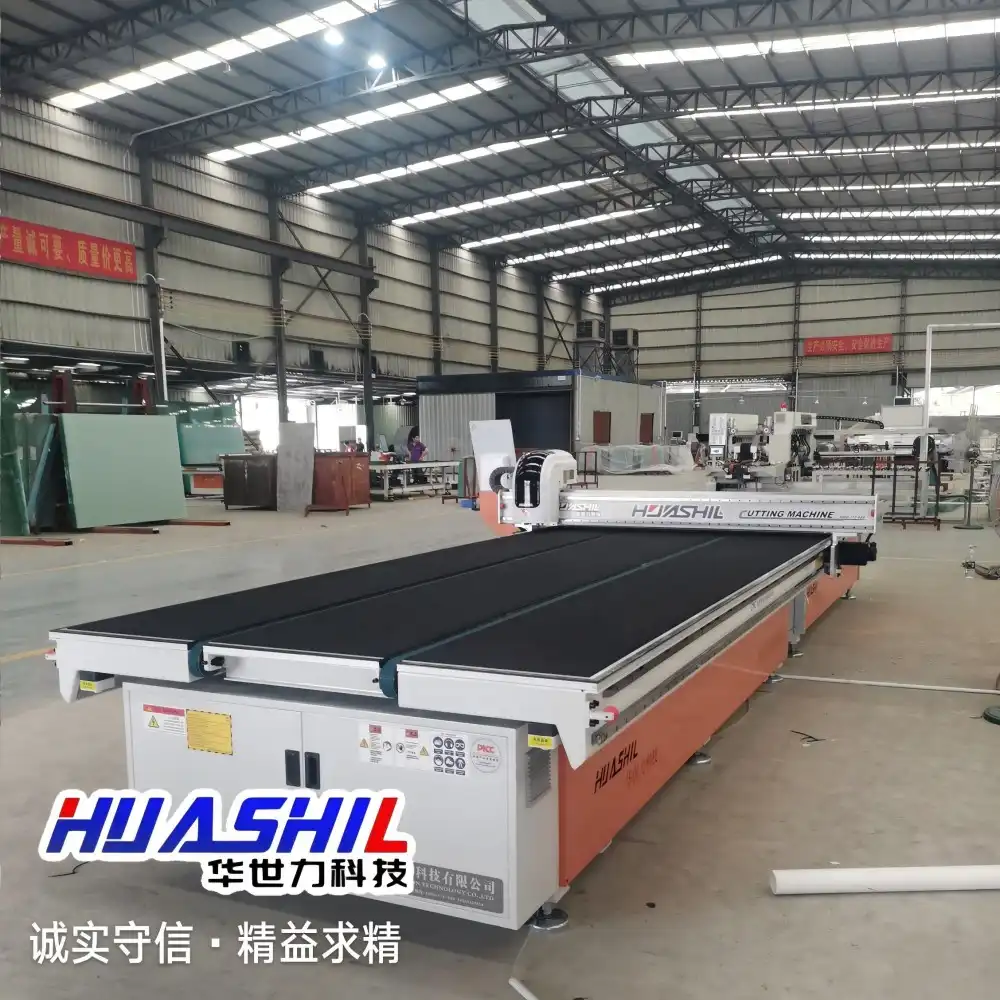
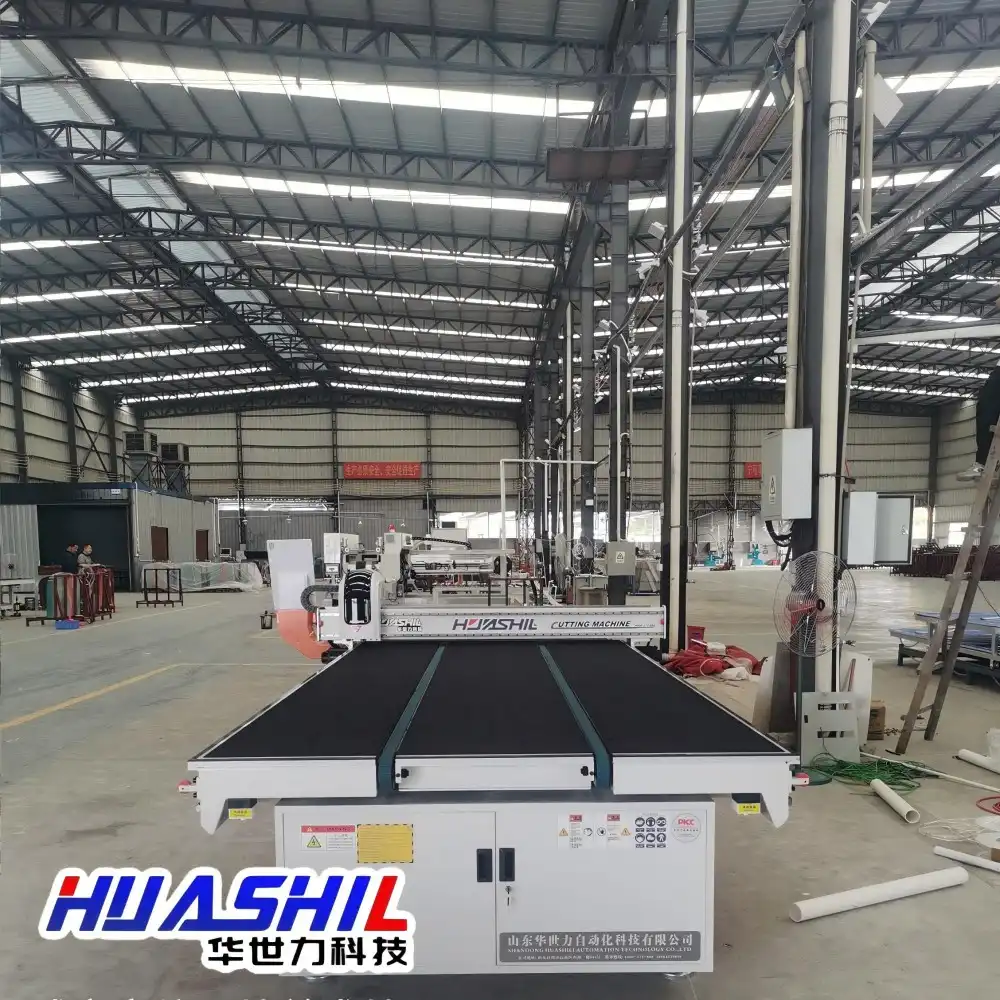
HUASHIL takes a complete approach to equipment safety and operational excellence, which can help industrial safety managers and procurement professionals who are looking for reliable best stone cutting machine options. Our HSL-CNC3616 model combines the latest safety technology with dependability that has been tested and proven to work in tough production settings. We want you to learn more about all of our safety-enhanced stone cutting options by having in-depth talks and product demos. Get in touch with our team at salescathy@sdhuashil.com to talk about your unique safety needs and get personalized quotes for our high-tech best stone cutting machine. Find out how HUASHIL's dedication to safety innovation can make your building safer while also increasing output and following all the rules.
References
1. Industrial Safety Council. "Comprehensive Guidelines for Stone Cutting Equipment Safety Standards." Occupational Health and Safety Review, 2023.
2. National Institute for Occupational Safety and Health. "Preventing Silicosis and Deaths in Construction Workers." Safety Protocol Publications, 2023.
3. American Industrial Hygiene Association. "Best Practices for Dust Control in Stone Processing Operations." Industrial Safety Journal, 2023.
4. International Association of Stone Processors. "Equipment Safety Requirements for Modern Stone Cutting Facilities." Technical Standards Manual, 2023.
5. Occupational Safety and Health Administration. "Machine Guarding Requirements for Stone Cutting Equipment." Federal Safety Guidelines, 2023.
6. Stone Industry Safety Coalition. "Training Programs and Risk Reduction Strategies for Stone Processing Operations." Professional Development Resources, 2023.
