




For automated glass handling equipment to work at its best, it needs more than just being set up and used every day. Maintenance is an important part of keeping things running smoothly and efficiently. A CNC glass machine is very accurate and automated when it comes to cutting, but if you don't take care of it properly, even the most advanced systems will lose performance, break down unexpectedly, and need expensive repairs. This guide gives procurement managers, plant leaders, and technical teams in the architectural glass production, curtain wall integration, furniture manufacturing, and sintered stone processing industries maintenance plans they can use. By following these steps, you can protect your investment in capital, make machines last longer, and make sure that the quality of the output is the same across your production line.
Understanding CNC Glass Machine Maintenance Fundamentals
In CNC glass machine processing, maintenance includes both corrective and preventative actions that keep the machine reliable, accurate, and able to run for a long time. Unlike systems that cut glass by hand, computer numerical control equipment has mechanical, electrical, and software parts that all need to work together. Any problem in one area can lead to bigger speed problems.
Common Causes of CNC Glass Equipment Downtime
Unplanned stoppage in glassmaking operations have several causes. Because they are constantly utilised and rub, guide rails, hubs, and bearings wear out. Software faults can be caused by outdated software, Optima issues, or CAD system file damage. Dust, temperature, and humidity affect electrical parts, sensors, and mechanical systems. Not completing routine maintenance speeds up these problems, causing lost output, production delays, and higher repair costs.
The Cost of Neglected Maintenance
Maintenance missed or conducted poorly has long-term financial consequences. Cuts with less precision waste more material. When dealing with creative glass for curtain wall projects, millimeter-level margins are crucial. Unexpected breakdowns can disrupt manufacturing lines, slowing client orders and hurting corporate relationships. Old parts that collapse under pressure might harm people or surrounding equipment, increasing safety risks.
Maintenance Roles and Responsibilities
All employees must know their roles for repair management to perform successfully. Machine personnel check oil levels, clean workspaces, and listen for unexpected sounds or vibrations while the machine is working daily. In-house technical specialists modify cutting settings and replace worn parts as indicated by the manufacturer during routine maintenance. Outside service companies or maker reps do diagnostics, software upgrades, and significant component replacements that need specialised tools and skills. This multi-layered technique covers all regions and maximises resources.
Essential Maintenance Tips for CNC Glass Machinery
Instead of reactive fixing, performance problems need to be diagnosed and fixed through thorough analysis. This organized method helps technical managers quickly find the root causes and put in place long-lasting solutions for the CNC glass machine.
Identifying Performance Symptoms
Cutting without accuracy might result in uneven edges, size discrepancies between similar cuts, or more breakage. Worn bearings, loose nuts, or outside interference might generate grinding, screaming, or clicking noises. Vibration exacerbates guide rail signal misalignment, rotating parts, and deteriorating roots. Software commands may not be replied to immediately due to control system issues, obsolete code, or CNC controller-motor driver communication issues.
Systematic Root Cause Analysis
Once symptoms are recorded, the study follows plausible diagnostic processes. Mechanical checking involves examining guide rail wear, spindle runout using dial markings, and synchronous belt conveyor belt tension. An examination of the lubrication system evaluates oil density, flow rate to bearing housings, and hydraulic fluid cleanliness. Software diagnostics check control panel problem logs, Optima optimisation software licenses, and parameter selections against material requirements. Electrical system checks include power stability, wire link corrosion, and sensor functionality in automatic edge locating and pressure control systems.
Case Study: Resolving Cutting Accuracy Issues
A furniture glass firm using an HSL-YTJ3826 model found edges becoming less straight after six weeks. Size discrepancies of up to 0.8mm were seen on 3660mm pieces of 6 mm-thick glass. The technical personnel closely examined the mechanical elements before establishing the program. Inspection revealed the Y-axis's outdated guide rail bearings. The machine bent during high-speed cutting because of this. Replacing the bearings restored cutting precision to 0.1 mm, reducing garbage and repair costs. This example illustrates how detailed analysis prevents unnecessary part replacement and speeds up problem diagnosis.
Best Practices for Preventive Maintenance
Regular checks make anything dependable. Daily inspections include air float system pressure, breaking table glass chip cleaning, and synchronised belt wear and contamination. Linear guide rails are greased, alignment tested with test cuts, and software backups are done regularly. Each month, inspect spindle bearings, fix electrical connections, and review software upgrades. Quarterly maintenance includes mechanical alignment checks, tool repairs, and baseline performance assessment. These timeframes are typical of most factories; they may be adjusted for varied production volumes.
CNC Glass Machine Maintenance Checklist for Procurement Managers
By using a thorough repair checklist, methods are standardized across shifts and workers, making sure that best practices are always used. This organized method reduces the chance of mistakes while still meeting the paperwork needs of quality management systems and ISO 9001 standards for every CNC glass machine.
Mechanical Component Inspection
At the top of the list are structural issues that affect cut precision. Guide rails must be cleaned daily, lubricated weekly using manufacturer-recommended grease, and measured for wear monthly with precision instruments. Spindle systems should be monitored for vibrations while operating, runout regularly, and bearings should be changed by usage hours rather than calendar dates. Align the breaking table mechanism, verify the hydraulic system pressure, and inspect the seals to keep things clean. Synchronous belt conveyors need tension checks, glass dust removal, and track adjustments to prevent edge wear.
Electrical and Software Maintenance
Control displays should be cleaned frequently using authorised electronics cleaners to prevent dust buildup and overheating. Software maintenance includes updating the Optima optimisation tool, integrating CAD files, backing up cutting settings, and reviewing customer design libraries. The automated pressure control system must calibrate sensors, check wire uniformity, and test reaction time for 2–19 mm glass thicknesses. To protect the operator, update the remote control's batteries, verify its signal strength, and test its emergency stop.
Safety and Compliance Verification
Safety systems must be regularly assessed for CE certification. Emergency stop circuits must be tested monthly to disconnect power immediately. Guarding interlocks must be checked to stop the access panel operation. The manufacturer recommends testing the pressure release valve and servicing the compressor for the air float system. This ensures staff are safe and following the laws, which is vital for insurance and customer reviews.
Because mechanical and software systems are integrated, independent repair is insufficient. Sensor accuracy depends on mechanical part alignment, and program parameters impact mechanical stress. To maximise productivity, integrated maintenance routines consider these dependencies and plan operations that operate well together. Quality, performance, and reliability are combined to increase equipment effectiveness (OEE).
Optimizing CNC Glass Machine Performance Through Preventive Maintenance
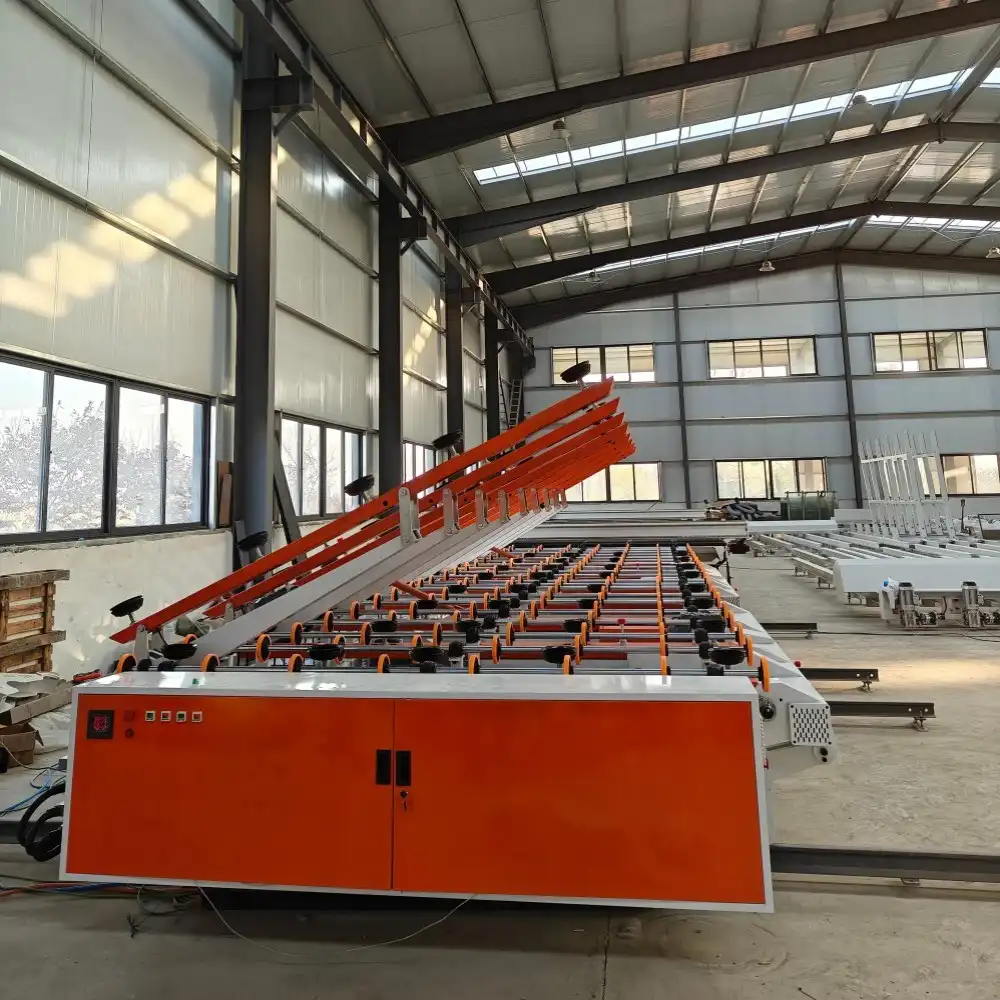
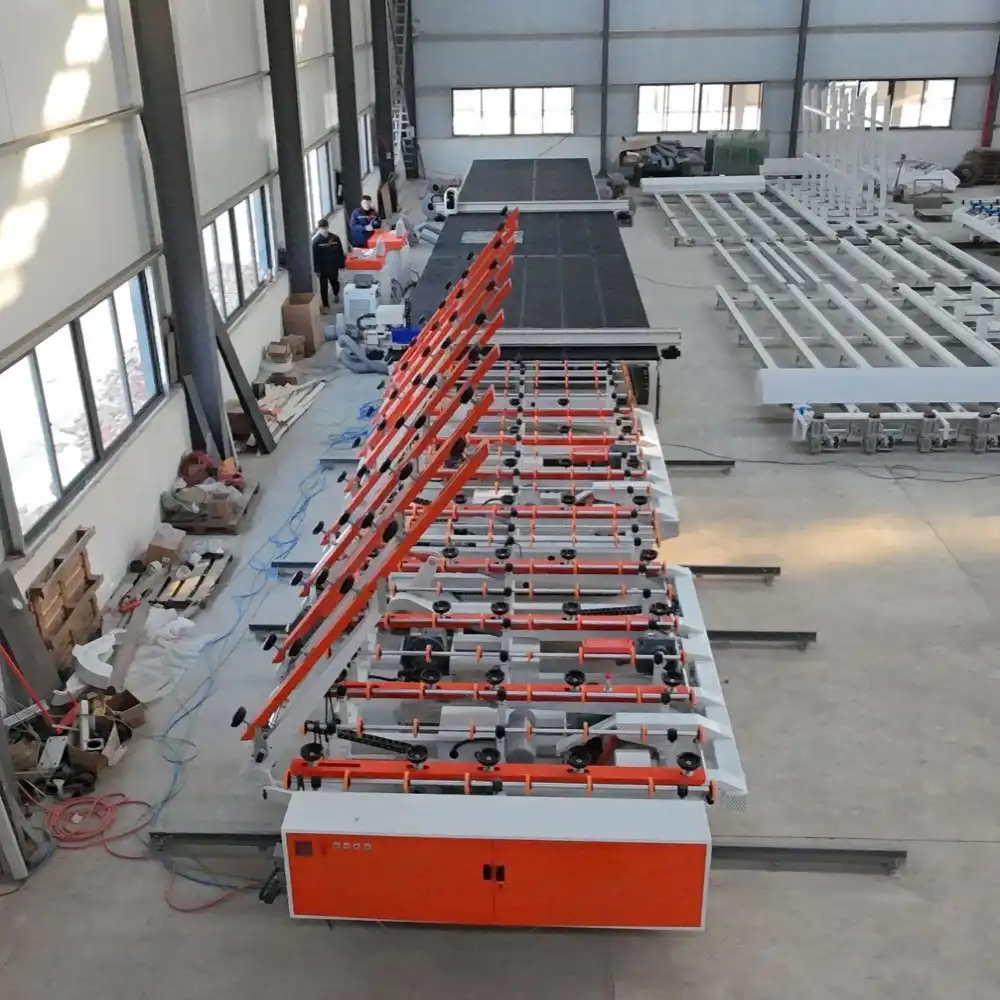
Advanced preventative strategies go beyond planned jobs and use predictive methods to see what might go wrong before it does. These methods work especially well in factories that use a CNC glass machine like the HSL-YTJ3826 model, which needs precise measurements all the time because of its large glass panels (3660mm x 2440mm) and automatic loading systems.
Addressing Performance Bottlenecks
Thousands of working cycles can cause wear patterns that reduce cutting accuracy. Parameters set too conservatively to compensate for mechanical failure can reduce throughput. Energy is utilised when worn parts demand more power to meet performance criteria. These constraints damage a business's competitiveness and profitability by raising operational costs and limiting capacity.
Predictive Maintenance Technologies
Accelerometers on critical moving parts detect worn-out bearings weeks before they create noise. Frequency spectrum analysis identifies defect patterns, including bearing cage, ball wear, and lubricant breakdown, to help rectify them. Infrared cameras can detect warmth in electrical connections, motor windings, and bearing housings, allowing for early repair. Oil research instruments detect metal, water, and chemical degradation in hydraulic and lubricating systems. This alerts you about part failure early.
Data-Driven Maintenance Decisions
Today's CNC processors monitor cycle counts, axis loads, and faults. This data helps us establish repair plans based on real wear rather than broad time intervals by showing use trends. Automatic warning systems alert maintenance workers when spindle temperature, servo motor current draw, or positioning error rates exceed limitations. This enables them to investigate the issue immediately instead of waiting for planned checks. These preventative procedures prevent tiny issues from escalating and interrupting production.
Documented Performance Improvements
At predictive maintenance glass production locations, key indicators have improved. Due to fewer unplanned stops and faster repairs, uptime increases by 15–25%. If parts are changed on a schedule instead of in an emergency, which costs more and takes longer to transport, maintenance expenses can be decreased by 20–30%. Quality improvement metrics demonstrate that goods that don't meet requirements have fallen by 40 to 60% due to component lifecycle cutting accuracy. Performance enhancements boost return on investment and make a firm more competitive in price-sensitive markets.
Choosing the Right Maintenance Partners and Solutions for CNC Glass Machines
Different production facilities have very different maintenance skills for their CNC glass machine assets. Some businesses have full expert teams that work for them, while others mostly use outside service companies. To choose the right maintenance plan, you need to carefully look at the working needs, the complexity of the equipment, and the resources that are available.
Defining Maintenance Needs Based on Operational Scale
Small to medium-sized furniture glass companies with only one machine might not make enough to need a full-time maintenance team with CNC experience. Curtain wall installers who use multiple automatic lines to process hundreds of panels every day need to be able to respond right away, which is something that outside service providers can't do when project deadlines are very tight. When working with rough materials, sintered stone makers have to deal with faster wear patterns that need to be fixed more often than in normal glass-making situations. Because of these changes in how things work, they need different kinds of maintenance that need to fit with business plans and capital funds.
Evaluating Service Provider Capabilities
When outside maintenance help is needed, certain factors are used to choose the right service. Response time promises must work with production plans. For example, next-day service may be enough for job shops, but ongoing operations need same-day or four-hour response promises. Technical knowledge should cover both hardware and software, and techs should be trained on specific types like the HSL-YTJ3826 and know how to integrate Optima optimization software. The total cost of ownership is affected by the terms of the warranty. This is especially true for new equipment installations, where parts and work are covered for a set amount of time by maker service agreements. Remote support features make services more available by allowing video tests, parameter adjustments over network links, and troubleshooting advice that lets employees in-house fix small problems on their own.
Comparing Maintenance Options
In-house repair teams offer the most freedom and quick access, but they need to be trained regularly, buy tools, and keep track of an inventory of spare parts. You don't have to worry about staffing when you hire a third-party repair contractor, but reaction times may change depending on the size of the service area and the availability of technicians. Manufacturer service agreements offer reliable technical help, original replacement parts, and guarantee security, but the prices may be higher than those of private service providers. Most of the time, the best mix between cost and reliability is found in hybrid methods that combine in-house repair skills with manufacturer help for more complicated problems.
Balancing Cost-Effectiveness with Reliability
The best business result isn't always the one with the lowest upkeep cost per hour. When you use a cheap service that needs to come back more than once to fix problems, you end up paying for it in the long run through longer downtime and lost production. For equipment that is used a lot and each hour of production brings in a lot of money, premium service packages with sure reaction times and full coverage may be the best value. To find the best repair choices, procurement managers should use the total cost of ownership method, which takes into account direct service fees, downtime effects, material waste from quality problems, and lost opportunities due to late customer deliveries. This in-depth study helps people make smart choices that match their repair strategy with their company's general goals and the needs of their competitors.
Conclusion
In conclusion, to keep the CNC glass machine gear in good shape, it needs regular care in the mechanical, electrical, and software areas. Structured maintenance programs are put in place by procurement managers and technical teams to protect capital assets and keep output and accuracy high. From daily inspections to predictive maintenance technologies, the strategies described here offer workable models that can be used in a range of working sizes and industry sectors. Whether you're working with architectural glass for curtain walls, making shower doors, or cutting solid stone, regular maintenance will keep your equipment in good shape, prevent unplanned downtime, and keep your cutting accurate—all of which are important for staying ahead of the competition. To be successful, you need to be dedicated to preventative measures, make sure that your resources are split evenly between internal and external skills, and understand that maintenance is an investment rather than a cost.
FAQ
Q1: How often should CNC glass cutting machines undergo comprehensive maintenance?
When to do a comprehensive repair depends on how busy the work area is and how intense the operations are. When equipment works in single shifts, five days a week, it usually needs deep repair every three months. This includes full mechanical alignment, a check of the electrical system, and software optimization. Businesses that work two shifts six days a week should plan a thorough repair once a month to deal with faster wear patterns. Continuous three-shift operations need thorough checks once a week and the repair of parts every month. Environmental factors like high dust levels or sudden changes in temperature may mean that electrical and gas systems need to be checked more often.
Q2: What are the primary causes of CNC glass machine failure?
About 40% of mechanical problems in glass processing tools are caused by bearing wear from not enough lubrication or contamination. Problems with the control system, such as broken sensors, deteriorating wiring, and software mistakes, cause about 30% of unexpected stops. Twenty percent of failures are caused by problems with the pneumatic system that affect the air float and pressure control mechanisms. The last 10% is due to problems with the structure, human error, and problems with the power source. Targeted preventive maintenance that focuses on these frequent failure types makes reliability much better.
Q3: How do software updates impact CNC glass machine maintenance protocols?
Updates to software can add new diagnostic tools that make maintenance more efficient by making mistake logs and remote tracking better. When optimization algorithms in programs like Optima are updated, they may change the cutting settings. This means that mechanical systems need to be recalibrated to meet the new operational profiles. Firmware updates can sometimes change the order of control processes, which can affect the speed of automatic functions like loading, pressure control, and edge finding. This is why verification testing is needed after installation. Keeping detailed records of software versions and how well machines run with each one helps find links between changes and any new problems that come up.
Partner with HUASHIL for Reliable CNC Glass Machine Solutions
To keep all of your glass processing processes running at their best, you need both high-quality equipment and ongoing expert help. HUASHIL is an expert in high-tech, fully automatic glass machinery, and its years of production experience have given it a wide range of upkeep skills. Our HSL-YTJ3826 model is an example of how reliable mechanics, easy-to-use software, and thoughtful serviceability can work together. It was made for architectural glass makers, curtain wall installers, and furniture manufacturers who need precise results every time. To protect your production efficiency, we offer full technical documentation, upkeep training, and quick response after-sales help. Email our team at salescathy@sdhuashil.com to talk about your unique needs and find out how working with an experienced CNC glass machine provider can improve the performance of your equipment and your business's long-term success.
References
1. Glass Processing Machinery Standards Committee, "Maintenance Guidelines for Computer Numerical Control Glass Cutting Systems," International Glass Manufacturing Association Technical Publication, 2022.
2. Thompson, Richard M., "Predictive Maintenance Applications in Automated Glass Fabrication Environments," Journal of Manufacturing Technology and Industrial Engineering, Volume 48, Issue 3, 2023.
3. European Committee for Standardization, "Safety Requirements for Glass Processing Equipment: Maintenance and Operational Procedures," EN 12543-6 Standard Documentation, 2021.
4. Chen, Wei and Martinez, Carlos, "Optimizing Production Uptime in CNC Glass Cutting Operations Through Systematic Maintenance Protocols," Proceedings of the International Conference on Advanced Manufacturing Systems, 2023.
5. Industrial Maintenance Institute, "Total Cost of Ownership Analysis for Automated Glass Processing Equipment," Technical Research Report Series, 2022.
6. Anderson, Jennifer L., "Software Integration and Maintenance Considerations for Modern CNC Glass Machinery," Automation Today Industry Analysis, Volume 15, Number 2, 2023.
