




Understanding the right setup procedures, safety protocols, and maintenance practices is necessary for operating a large tile cutting machine effectively and safely. These industrial tools are very strong and are made to cut large tiles and stone materials. To get accurate results and keep operators safe, they need to be operated exactly as the instructions say. Modern large tile cutting machines, like the HSL-CNC2716, have automatic control systems and high-tech safety features that make them work consistently in a wide range of situations, such as when processing sintered stone, ceramic slabs, and architectural glass.
Understanding Large Tile Cutting Machines: Features, Types, and Safety Principles
Core Features and Operational Mechanisms
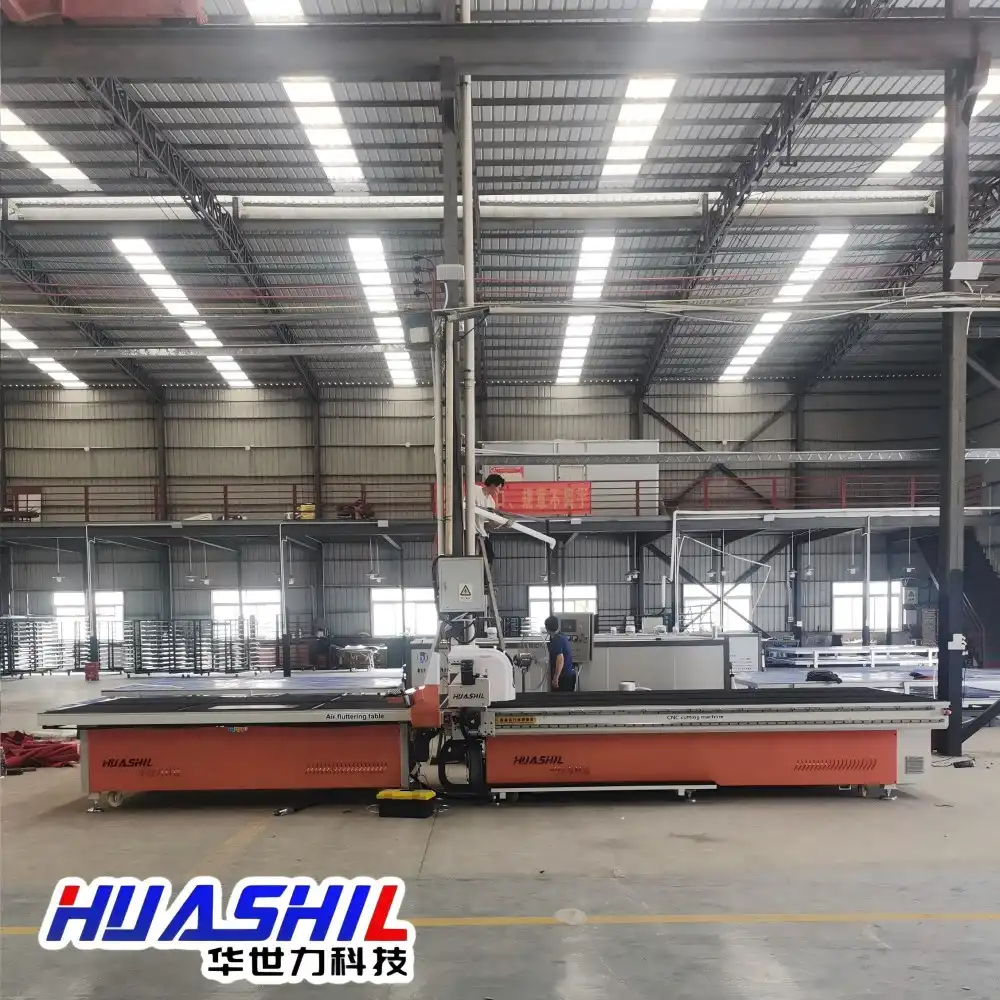
The most advanced engineering goes into making large tile cutting machines that can handle large pieces of material with great accuracy. The cutting beds on these tools are usually strong enough to hold tiles that are several meters long and wide. With a highest cutting size of 2700x1600mm, the HSL-CNC2716 model is a great example of what's possible in this field today. Advanced control systems, like the Eos-CNC platform, allow for exact positioning and cutting parameters, which makes sure that the results are the same from one production run to the next.
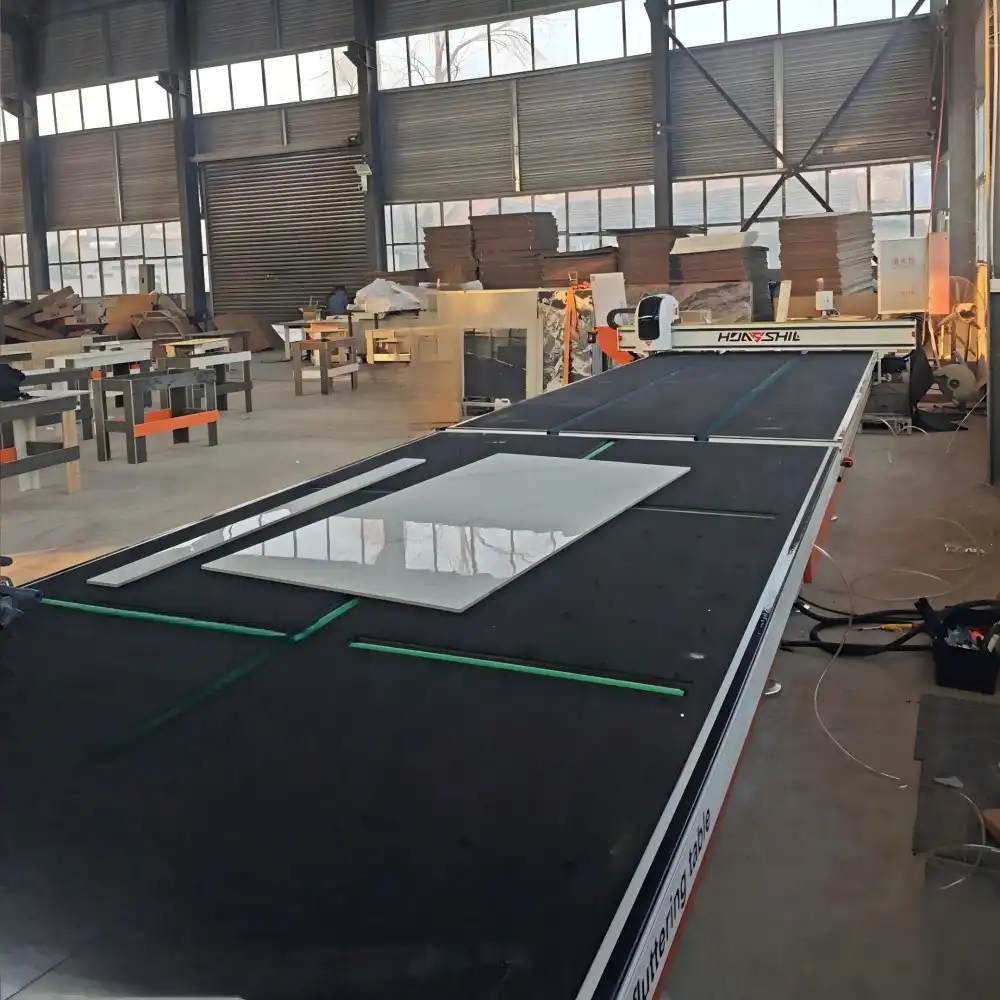
The cutting heads are controlled by a computer and move along lines that have already been planned. Automatic pressure control systems change the cutting force based on the density and thickness of the material. Before cutting starts, automatic edge-finding technology makes sure that everything is lined up perfectly. Air flotation devices make it easier for heavy stone slabs and ceramic panels to move without rubbing against the cutting surface.
Machine Categories and Applications
Industrial tile cutting tools are divided into several groups based on how they cut and where they get their power. Wet cutting systems use water cooling to keep dust down and keep the machine from getting too hot during long jobs. This makes them perfect for cutting thick materials like porcelain and sintered stone. Dry cutting setups work best in places where using water is hard or when working with materials that don't do well with water.
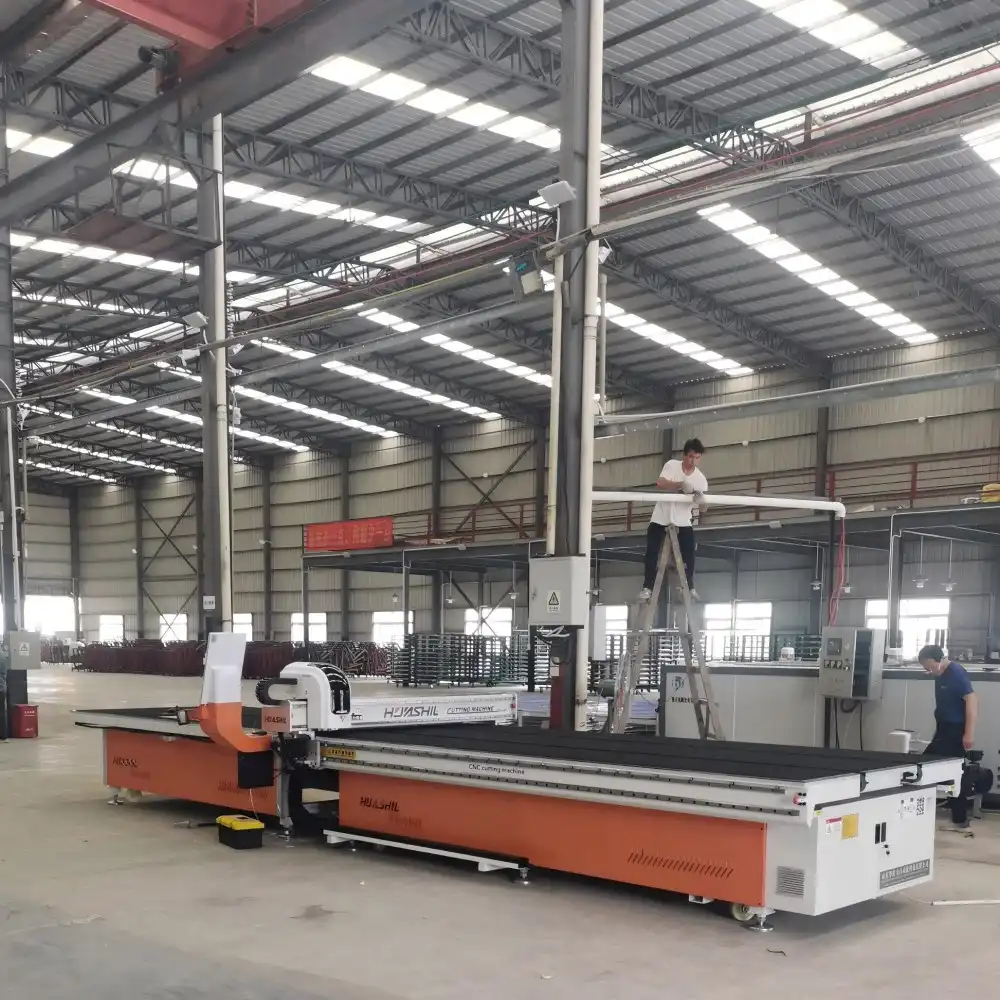
Electric machines are most common in industrial settings because they give power consistently and can work with automated production lines. A lot of the time, these systems have varying speed controls and programmable cutting patterns, which are very important for making architectural glass and curtain walls. Manual override choices give operators direct control when they need to cut something specifically or when the material is shaped unusually.
Safety Protocols and Compliance Standards
When using big-format cutting equipment, safety at work is still the most important thing. Safety glasses, hearing protection, and gloves that won't cut you are all examples of proper personal protective equipment. Regular checks must be done on machine guards and emergency stop systems to make sure they can be used right away in case of an emergency.
Operators should keep the areas around large tile cutting machines clear for work, keep paths clear of debris, and make sure there is enough light throughout the work area. Regular safety training events help people stay aware of possible dangers and reinforce the right way to handle different kinds of materials.
Step-by-Step Guide to Operating a Large Tile Cutting Machine Efficiently
Pre-Operation Setup and Workspace Preparation
To cut things well, you must first carefully check the machine and organize your work area. Check the state of the cutting blade by looking for chips, cracks, or too much wear that could affect the quality of the cut. Make sure that all of the safety features, like emergency stops, protection guards, and warning lights, work properly.
Cleaning tile surfaces to get rid of dust, dirt, or protective films that could get in the way of accurate cutting is part of preparing the material. Alignment guides and support systems help you put things on the cutting bed so they don't move while the machine is cutting. Modern models, like the HSL-CNC2716, have an air flotation system that makes heavy materials more stable and reduces the amount of work an operator has to do to place them.
Cutting Technique Optimization
Finding the right balance between speed, accuracy, and material protection on a large tile cutting machine is key to getting the best cutting results. Using the control system to set the cutting settings means choosing the right speeds based on the thickness and density of the material. When cutting glass, the settings need to be different from when cutting clay or sintered stone. This is because glass thicknesses between 3 and 18 mm need different settings.
The automatic edge-finding feature scans the edges of tiles to set accurate cutting guides, so you don't have to guess where to put things. This technology is especially helpful when working with materials that aren't perfectly round or when using expensive custom tiles, and reducing waste is still very important.
Routine Maintenance and Troubleshooting
Machines last longer and cut more precisely when they are maintained on a regular basis. Cleaning cutting surfaces, checking oil levels, and looking for wear on cutting tools are all things that need to be done every day. More thorough system checks, such as checking the electrical connections, belt tension, and bearing state, are done once a week as part of maintenance.
Problems with the quality of the cuts, strange noise levels, or mistakes in the control system are all common problems that need to be fixed. Knowing how to do simple diagnostics helps operators find small problems before they get worse and require expensive repairs or production delays. A lot of modern machines have diagnostic screens that make it easier to find and fix problems.
Choosing the Right Large Tile Cutting Machine for Your Business Needs
Technology Comparison and Selection Criteria
To choose the right cutting equipment, you have to compare your unique production needs to the technology that is currently available. Electric systems are necessary for high-volume processes or when working with expensive materials because they are more precise and can be automated better than manual systems. Which cutting method to use (wet or dry) relies on the type of material, the environment, and the needs of the finished product.
Durability factors for a large tile cutting machine include more than just the original purchase price. They also include the cost of ongoing maintenance, the availability of spare parts, and the quality of technical support. The production capacity affects the choice of machine size. Larger format capabilities, such as the 2700x1600mm capacity, offer flexibility for a wide range of project needs, but they may require more facility room and infrastructure investments.
Material Compatibility Assessment
Different types of tile materials are hard to cut, so machines need to be set up in certain ways. To keep them from breaking, porcelain tiles need consistent cutting pressure and sharp cutting tools. On the other hand, sintered stone needs strong systems that can handle changes in material density and thickness. Cutting ceramic pieces at controlled speeds keeps them from cracking from thermal stress.
Knowing the features of a material helps you choose the best machine settings and cutting tools. When cutting, harder materials usually need slower speeds but higher cutting pressures. On the other hand, when handling soft materials, faster speeds are possible, but pressures must be carefully controlled to keep them from crushing or deforming.
Performance Benchmarks and Industry Standards
To be worth the money, modern industrial cutting equipment has to meet certain performance standards. For architectural uses, precision requirements usually say that tolerances must be within ±0.2mm. Production speed expectations depend on the complexity of the material and the quality of the final product. Metrics for reliability include uptime percentages, repair schedules, and the expected service life under normal use.
Considerations about energy efficiency for a large tile cutting machine become more important for large-scale processes. Newer CNC systems are better at managing power than older hydraulic or pneumatic systems. Long-term operational efficiency and cost control are affected by how well new systems can work with current production equipment and facility management systems.
Business-Oriented Procurement Tips: How to Buy and Source Large Tile Cutting Machines?
Investment Planning and Budget Considerations
Large-format cutting tools is a big investment that needs to be carefully planned and justified financially. The initial buy price, installation costs, operator training costs, and ongoing maintenance needs should all be added up to get the total cost of ownership. One way to finance something could be to lease the equipment. This saves operating capital and gives you access to new technology.
Estimates of the amount of production help choose the right machine size and level of automation. Advanced automation features like automatic material handling and programmable cutting sequences are helpful for businesses that do a lot of work. Smaller businesses, on the other hand, may value flexibility and manual control choices more.
Sourcing Strategies and Supplier Evaluation
To buy equipment successfully, you need to look at possible suppliers' technical skills, customer service, and the chance of forming a long-term partnership. The reputation of the manufacturer, installation help, and training programs all have a big effect on how well the equipment is integrated. It may be cheaper to buy from international sellers, but you need to carefully consider the logistics of shipping, customs, and service support.
Support after the sale for a large tile cutting machine is very important for keeping production plans and equipment working well. Complete warranty coverage, availability of spare parts, and how quickly technical help responds all have a direct effect on how reliable the machine is and how happy the owner is with it over time. For equipment support needs, local service networks or ties with authorized dealers offer extra peace of mind.
Quality Assurance and Acceptance Testing
Acceptance processes for equipment should include thorough testing plans that check that performance requirements are met and safety rules are followed. Machines meet procurement standards by passing tests for cutting accuracy, production speed, and the functionality of their safety systems. Documentation needs usually include parts catalogs, operation manuals, and upkeep schedules written in the right languages.
Important parts of buying tools are the training programs for operators and maintenance staff. Full training makes sure that the right equipment is used and that operator mistakes and safety issues are kept to a minimum. Having ongoing support ties with suppliers makes it easier to keep improving and updating technology.
Conclusion
Understanding the right way to set up a large tile cutting machine, follow safety rules, and perform regular maintenance will keep it running smoothly and keep the person safe. Modern machines like the HSL-CNC2716 mix advanced automation features with easy-to-use controls to make precise cuts in a wide range of materials. Choosing the right supplier is essential for business success because it balances technical requirements with the need for long-term support. In industrial cutting uses, the value of equipment is maximized while operational risks are minimized through proper training, regular maintenance, and following safety rules.
FAQ
Q1: What maintenance schedule ensures optimal machine performance?
Regular maintenance schedules vary based on operating intensity and environmental conditions. Daily maintenance includes cleaning cutting surfaces, checking cutting tool condition, and verifying safety system operation. Weekly tasks involve lubrication checks, belt tension inspection, and control system diagnostics. Monthly maintenance includes comprehensive mechanical inspection, electrical connection checks, and cutting precision verification. Annual professional service ensures optimal performance and identifies potential issues before they impact production.
Q2: Which safety measures prevent operational accidents?
Essential safety protocols include proper personal protective equipment, regular safety system inspections, and comprehensive operator training. Emergency stop systems must remain easily accessible and undergo regular testing. Material handling procedures should prevent operator exposure to cutting zones during operation. Workspace organization eliminates trip hazards while ensuring clear evacuation routes. Safety interlocks prevent machine operation when guards are removed or safety systems are compromised.
Q3: What cutting machine specifications work best for porcelain materials?
Porcelain cutting requires machines with precise pressure control and sharp cutting tools to prevent chipping. Variable speed controls allow optimization for different porcelain densities and thicknesses. Water cooling systems reduce thermal stress during cutting while controlling dust generation. Rigid machine construction minimizes vibration that could cause cutting quality issues. The HSL-CNC2716's automatic pressure control and edge finding capabilities prove particularly effective for porcelain processing applications.
Partner with HUASHIL for Advanced Cutting Solutions
HUASHIL's expertise in large tile cutting machine manufacturing provides the foundation for successful production line upgrades and capacity expansion projects. Our engineering team stands ready to evaluate your specific requirements and recommend optimal cutting solutions that balance performance, reliability, and cost-effectiveness. Whether you need single machine installations or complete production line integration, our comprehensive approach ensures successful project outcomes.
Contact our sales team at salescathy@sdhuashil.com to discuss your cutting equipment requirements and explore our extensive product portfolio. We offer competitive pricing for large tile cutting machine supplier relationships while providing the technical support and customization capabilities that distinguish HUASHIL in the automation equipment market.
References
1. Stone and Ceramic Processing Equipment Safety Standards, American National Standards Institute, Industrial Safety Division, 2023.
2. Precision Cutting Technology in Modern Manufacturing, Journal of Industrial Automation, Volume 45, Manufacturing Technology Research Institute, 2024.
3. Large Format Tile Processing Equipment Guidelines, International Stone and Ceramic Association, Technical Standards Committee, 2023.
4. Automated Glass and Stone Cutting Systems: Performance and Safety Analysis, Industrial Equipment Research Quarterly, Automation Technology Institute, 2024.
5. Workplace Safety in Glass and Ceramic Manufacturing Operations, Occupational Safety and Health Administration, Industrial Safety Bureau, 2023.
6. Advanced CNC Control Systems for Stone Processing Equipment, Manufacturing Automation Review, Industrial Technology Publishers, 2024.
