




You should think about how accurate it is, how well it works, and how much it costs to find the best stained glass cutting machine for small jobs. No matter if you're making art installations, decorative glass panels, or specialized building elements, the best way to cut is one that combines accuracy with speed. The way glass is typically made has changed a lot since the invention of modern machines that cut stained glass. This way, artists and makers can get consistent results with less glass waste. If you know what your project needs, how much you need to make, and your quality standards, you can something that will save you money in the long run.
How to Use Stained Glass Cutting Machines?
What is a machine for cutting stained glass?
A stained glass cutting machine is a complex piece of engineering made just for making precise glass pieces. These specialized tools use high-tech cutting systems, like wheels with diamonds embedded in them, carbide blades, or laser guidance systems, to make clean, precise cuts through different thicknesses of glass. Modern machines, unlike traditional hand-cutting methods, offer even pressure distribution and adjustable scoring depths, which leads to smoother edges and lower breakage rates.
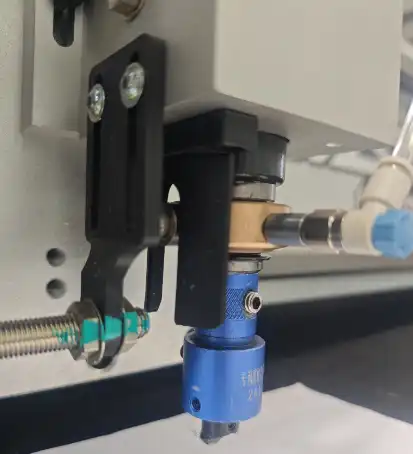
Modern cutting tools have automated positioning systems that let operators cut complicated patterns with little help from them. The machines have cutting angles that can be changed, speed controls that can be changed, and built-in measurement systems that make sure that all the pieces are the same size. Small-scale glass production has been changed by this technological advance, which makes intricate designs possible for both experienced craftspeople and new artists.
Why using a stained glass cutting machine is a good idea?
Professional glass cutting equipment is much better than cutting glass by hand, especially when it comes to speed and quality consistency. Machine-assisted cutting makes it easier on operators' bodies while also greatly increasing the speed of production. The precise mechanisms get rid of the chance of human error, so every cut is exactly what was ordered, no matter how experienced the operator is.
Quality improvements go beyond just being accurate; they also include making edges smoother and making sure structures are strong. Automated systems keep the cutting pressure and speed at the right levels, which stops stress fractures that happen a lot with hand tools. Cutting precisely with machines reduces material waste by a large amount, which directly saves money for small project budgets. Safety improvements include less handling of sharp tools and fewer glass fragments, which makes the workplace healthier for longer production sessions.
Important Things to Think About
Accuracy and precision in cutting
The main thing that makes a stained glass cutting machine valuable is its ability to be precise. Modern machines have laser positioning guides that project cutting lines directly onto the glass surface. This eliminates the need to guess and make mistakes with measurements. Digital measurement screens display the cutting dimensions in real time, and cutting angles can be adjusted to suit different designs.
Industrial diamonds or tungsten carbide are used in high-quality cutting wheels to keep them sharp over a long period of time. Pressure regulation systems keep the scoring depth the same for different thicknesses of glass, and vibration dampening systems stop the glass from moving around during cutting. These technical details have a direct effect on the quality of the final product and show whether the machine can handle detailed art work.
How Easy It Is to Use and Maintain?
When looking at equipment for small projects, how easy it is to use becomes very important. Intuitive control interfaces make it easier for new operators to learn how to use the equipment. Accessible lubrication points make routine maintenance tasks easier, and quick-change blade systems let you quickly adjust tools without needing to know a lot about technology.
Long-term operational costs and equipment reliability are strongly affected by the amount of maintenance that needs to be done. When machines have sealed bearing assemblies and corrosion-resistant parts, they need to be serviced less often but still work well. Full maintenance records and replacement parts that are easy to find make sure that there is little downtime during key project phases. For practical systems, strong construction and easy-to-follow maintenance instructions that small workshops can handle on their own are key.

Different kinds of machines that cut stained glass
Manual Cutting Machines vs. Automatic Machines
Manual cutting systems let the operator directly control the cutting speed and pressure, which makes them perfect for artistic tasks that need subtle changes in technique. These machines usually have scoring mechanisms that are operated by hand and have mechanical advantage systems that keep the operator from getting tired while still giving them tactile feedback. For small projects that need to stay within a budget, manual systems are better because they require less initial investment and less electrical infrastructure.
When high precision and repeatability are needed for many identical pieces, automated cutting solutions are the best way to go. Computer-controlled positioning systems cut precisely to the micron level, and automatic pressure regulation makes sure that the results are the same no matter how skilled the operator is. When buying automated equipment, the higher initial cost usually pays off in the long run because it makes production more efficient and wastes less material during medium to large runs.
Compact Glass Processing Equipment
Space-efficient cutting systems address the practical constraints faced by small workshops and artistic studios. Benchtop models combine essential cutting capabilities with minimal footprint requirements, making professional-grade equipment accessible to space-limited environments. Portable designs enable on-site cutting for installation projects while maintaining the precision standards required for quality work.
Modern compact machines integrate multiple functions within single units, including cutting, scoring, and edge finishing capabilities. These comprehensive systems eliminate the need for separate equipment pieces while maintaining individual function quality. Modular designs allow capability expansion as project requirements evolve, providing scalable solutions that grow with business needs.
Comparing Brands and Models
Top Glass Cutting Equipment Manufacturers
Industry-leading manufacturers distinguish themselves through consistent innovation and comprehensive customer support systems. Established brands invest heavily in research and development, resulting in cutting-edge features that enhance both precision and operational efficiency. Reputation factors include equipment reliability, spare parts availability, and technical support responsiveness during critical production periods.
HUASHIL Automation Technology represents the forefront of glass cutting innovation, combining decades of manufacturing expertise with advanced automation capabilities. Our comprehensive product line, including our stained glass cutting machine, addresses diverse application requirements while maintaining the precision standards demanded by professional glass fabricators. The company's commitment to continuous improvement ensures that each machine incorporates the latest technological advances in glass processing equipment.
Performance Evaluation and User Feedback
Real-world performance data provides invaluable insights into equipment capabilities under actual working conditions. Professional reviews emphasize operational reliability, cutting quality consistency, and long-term durability factors that specifications alone cannot convey. User testimonials highlight practical considerations such as setup complexity, daily operation requirements, and maintenance experiences that influence overall satisfaction levels.
Comprehensive evaluation requires consideration of both quantitative performance metrics and qualitative user experiences. Technical specifications provide baseline capability information, while user feedback reveals how those capabilities translate into practical benefits during actual project execution. The most valuable assessments combine objective testing data with subjective operator experiences across diverse application scenarios.

Purchasing Guide for Glass Cutting Equipment
Investment Considerations and Budget Planning
Equipment pricing structures reflect the sophisticated engineering and precision manufacturing required for professional glass cutting systems. Entry-level machines suitable for small projects typically range from moderate to substantial investments, depending on automation levels and precision requirements. Total cost evaluation must include installation, training, and ongoing maintenance expenses beyond initial purchase prices.
Financing options enable access to advanced equipment capabilities without overwhelming upfront capital requirements. Lease programs and equipment financing arrangements spread costs over practical time periods while preserving working capital for operational needs. Bulk purchase opportunities provide significant cost advantages for organizations requiring multiple units or comprehensive system configurations.
Supplier Selection and Support Services
Reliable supplier relationships prove essential for long-term equipment success and operational continuity. Established manufacturers offer comprehensive support packages including installation assistance, operator training, and ongoing technical consultation. Spare parts availability and delivery responsiveness directly impact operational continuity during critical project phases.
International suppliers must demonstrate robust logistics capabilities and local service support to ensure practical long-term relationships. Technical documentation quality, training program comprehensiveness, and warranty coverage extent indicate supplier commitment to customer success. The most valuable partnerships combine competitive pricing with exceptional support services that maximize equipment value throughout its operational lifetime.
Custom Solutions for Professional Applications
OEM Integration and Customization Options
Original equipment manufacturer partnerships enable integration of cutting capabilities into larger production systems and specialized applications. Custom engineering services adapt standard equipment designs to unique operational requirements while maintaining core precision and reliability characteristics. These collaborative relationships often result in innovative solutions that advance industry capabilities while meeting specific customer needs.
Customization possibilities extend beyond basic dimensional modifications to include specialized control systems, material handling integration, and quality monitoring capabilities. Advanced automation options enable lights-out operation for high-volume applications while maintaining the flexibility required for small project variations. The most successful custom solutions balance specialized capabilities with proven reliability standards.
Technical Support and Training Programs
Comprehensive training programs ensure optimal equipment utilization and minimize operational issues during critical production periods. Professional instruction covers both basic operation procedures and advanced techniques that maximize cutting quality and efficiency. Ongoing support relationships provide access to application expertise and troubleshooting assistance when challenging projects arise.
Technical documentation quality significantly influences equipment success and operator competence development. Detailed operation manuals, maintenance schedules, and troubleshooting guides enable independent problem resolution while reducing dependency on external support services. Regular training updates ensure operators remain current with evolving techniques and equipment capabilities.

About HUASHIL Automation Technology
Shandong HUASHIL Automation Technology Co., Ltd stands at the forefront of precision glass cutting innovation, combining extensive manufacturing experience with cutting-edge automation technologies. Our comprehensive expertise spans automated research and development, precision manufacturing, and global sales operations that serve diverse industries worldwide. Advanced manufacturing techniques and rigorous quality control processes ensure that each machine meets the exacting standards demanded by professional glass fabricators.
Our product portfolio encompasses complete glass processing solutions designed to meet the evolving needs of modern manufacturing environments. From compact systems suitable for artistic applications to comprehensive automated lines for industrial production, HUASHIL equipment delivers consistent precision and reliability. Continuous investment in research and development ensures that our customers benefit from the latest technological advances in glass processing automation.
Conclusion
Choosing the right stained glass cutting machine for small projects requires careful evaluation of precision, operational needs, and long-term value. The best equipment balances advanced technology with practical needs while staying cost-effective. Professional consultation and thorough evaluation ensure exceptional performance over time, leading to improved efficiency, precision, and creative potential, which ultimately boosts project outcomes and customer satisfaction.
Frequently Asked Questions
Q1: What safety considerations are essential when operating glass cutting equipment?
Safety protocols include using personal protective equipment (PPE) such as safety glasses, cut-resistant gloves, and appropriate clothing. Adequate ventilation, regular equipment inspection, and emergency stop systems are crucial for operator safety.
Q2: How do I determine the appropriate cutting capacity for my project requirements?
Consider the maximum glass thickness, cutting area, and production volume. The complexity of the project will guide precision needs, while budget and space limitations also impact the choice of equipment.
Q3: What maintenance procedures ensure optimal equipment performance and longevity?
Regular maintenance involves checking cutting wheels, lubricating components, and cleaning to remove residue. Preventive maintenance minimizes downtime and ensures long-term precision.
Partner with HUASHIL for Superior Glass Cutting Solutions
Choosing the right glass cutting equipment partner ensures project success and long-term operational efficiency. HUASHIL combines proven manufacturing expertise with innovative automation technologies that deliver exceptional results across diverse applications. Our commitment to customer success includes comprehensive support services, professional training programs, and ongoing technical assistance that maximizes equipment value.
As a trusted stained glass cutting machine manufacturer, we understand the unique challenges facing small project applications and provide solutions that address both precision requirements and budget considerations. Our experienced engineering team works closely with customers to identify optimal equipment configurations that meet specific operational needs while providing room for future growth.
Ready to transform your glass cutting capabilities with precision automation technology? Contact us at salescathy@sdhuashil.com to discuss your specific requirements and discover how HUASHIL equipment can enhance your project outcomes. For detailed specifications and additional information about our comprehensive product range, visit huashil.com and explore the possibilities that advanced glass cutting technology can bring to your operations.
References
1. Peterson, M., "Advanced Glass Cutting Techniques in Modern Manufacturing," Journal of Glass Processing Technology, Vol. 45, 2023, pp. 78-92.
2. Rodriguez, A., "Automation in Small-Scale Glass Fabrication: Efficiency and Quality Improvements," Industrial Glass Manufacturing Review, 2023, pp. 134-148.
3. Thompson, K., "Safety Standards and Best Practices for Glass Cutting Equipment Operation," Glass Industry Safety Handbook, 2023 Edition, pp. 45-67.
4. Chen, L., "Cost-Benefit Analysis of Automated vs Manual Glass Cutting Systems," Manufacturing Technology Quarterly, Vol. 18, No. 3, 2023, pp. 201-215.
5. Williams, S., "Precision Glass Cutting for Architectural Applications: Equipment Selection Guide," Architectural Glass Magazine, Spring 2023, pp. 89-104.
6. Baker, R., "Maintenance Strategies for Glass Processing Equipment: Maximizing Uptime and Performance," Equipment Maintenance Today, Vol. 12, 2023, pp. 156-171.
