




Choosing the right portable tile cutting machine has a significant impact on project success, operational efficiency, and cost management for professionals across the construction, renovation, and manufacturing sectors. Modern tile cutting technology offers unprecedented precision and mobility, enabling contractors to deliver superior results while maintaining competitive timelines. This comprehensive guide examines critical selection factors, technical specifications, and procurement strategies that procurement managers, engineers, and distributors need to make informed equipment investments. Understanding these elements ensures optimal productivity, enhanced safety protocols, and long-term value creation for professional tile cutting applications.
Understanding Professional Needs for Portable Tile Cutting Machines
Professional users in various fields require specialized cutting tools designed with their specific needs in mind. People who build homes and businesses need tools that can do the same thing every time and can be easily moved between job sites. Factories that make sintered stone and ceramic blocks focus on cutting a lot of material at once. They do this by using automatic features that lower the cost of labor and make the quality more consistent.
Industry-Specific Requirements and Applications
It is very important for glass and window manufacturing plants and architectural cutting systems to have a portable tile cutting machine to be able to handle materials that are 3mm to 18mm thick with great precision. Integrators in the curtain wall system industry want tools that can be easily added to the production lines that are already in place and can also be customized to meet the needs of different projects. Furniture and home decor makers who work with glass furniture and shower doors need small but useful tools that can handle different sizes of material and cutting angles.
Traditional ways of cutting have big problems that current movable tools fix. Manual cutting methods lower accuracy and raise the amount of time needed to work. Also, stationary cutters don't have the freedom needed for on-site changes and emergency fixes. Advanced portable tile cutting tools get rid of these problems by being easy to move, having automated features, and cutting consistently at a professional standard for a wide range of uses.
Essential Criteria for Selecting Portable Tile Cutting Machines
Careful study of the technical details that affect operating performance must be done in order to choose the best cutting option. When choosing a machine, power and cutting ability are the most important factors. The strength of the motor and the quality of the blade affect the range of materials the machine can successfully cut.
Technical Specifications and Performance Metrics
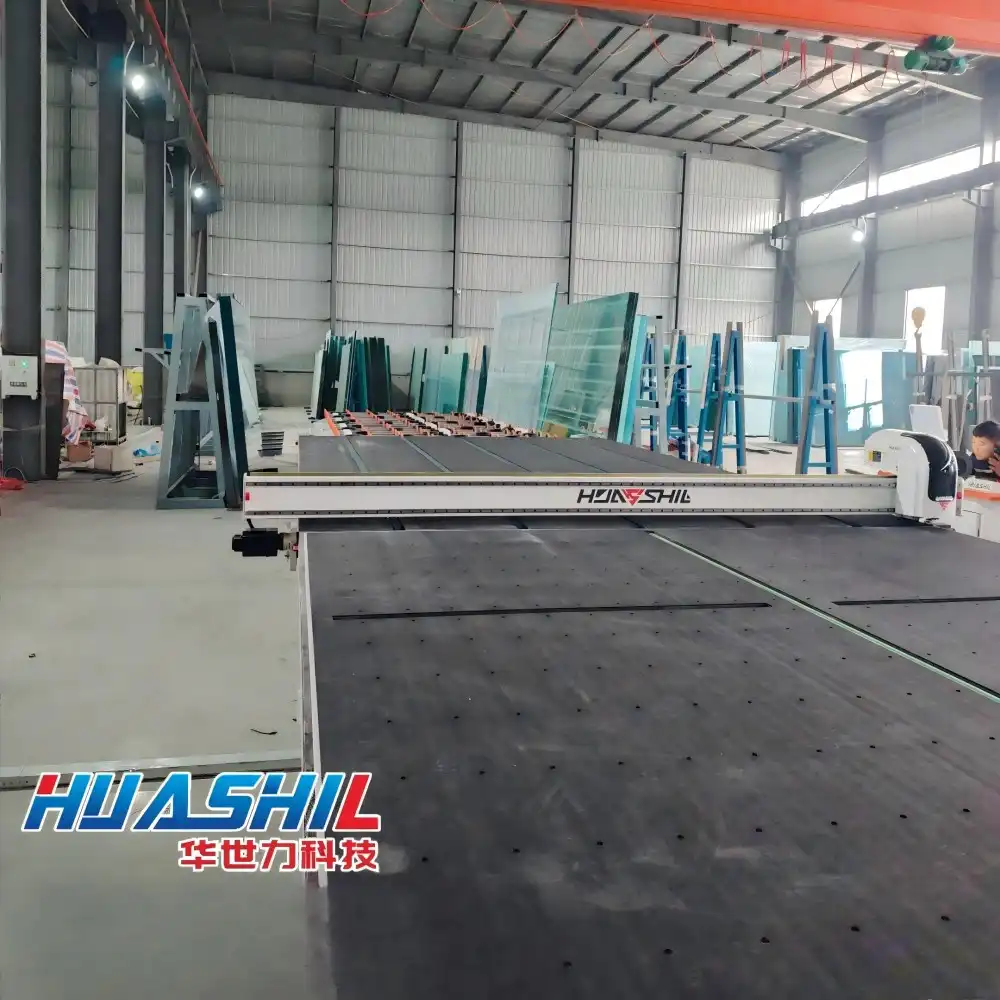
It is important that the cutting capacity specs match the needs of the project, portable tile cutting machine, especially for places that work with large-format materials up to 2700 mm by 1600 mm. The Eos-CNC platform is an example of an advanced control system that can do very accurate automated tasks, such as controlling pressure and finding the edges of objects. These features make it much easier to set things up, and they make sure that all production runs have the same cutting quality.
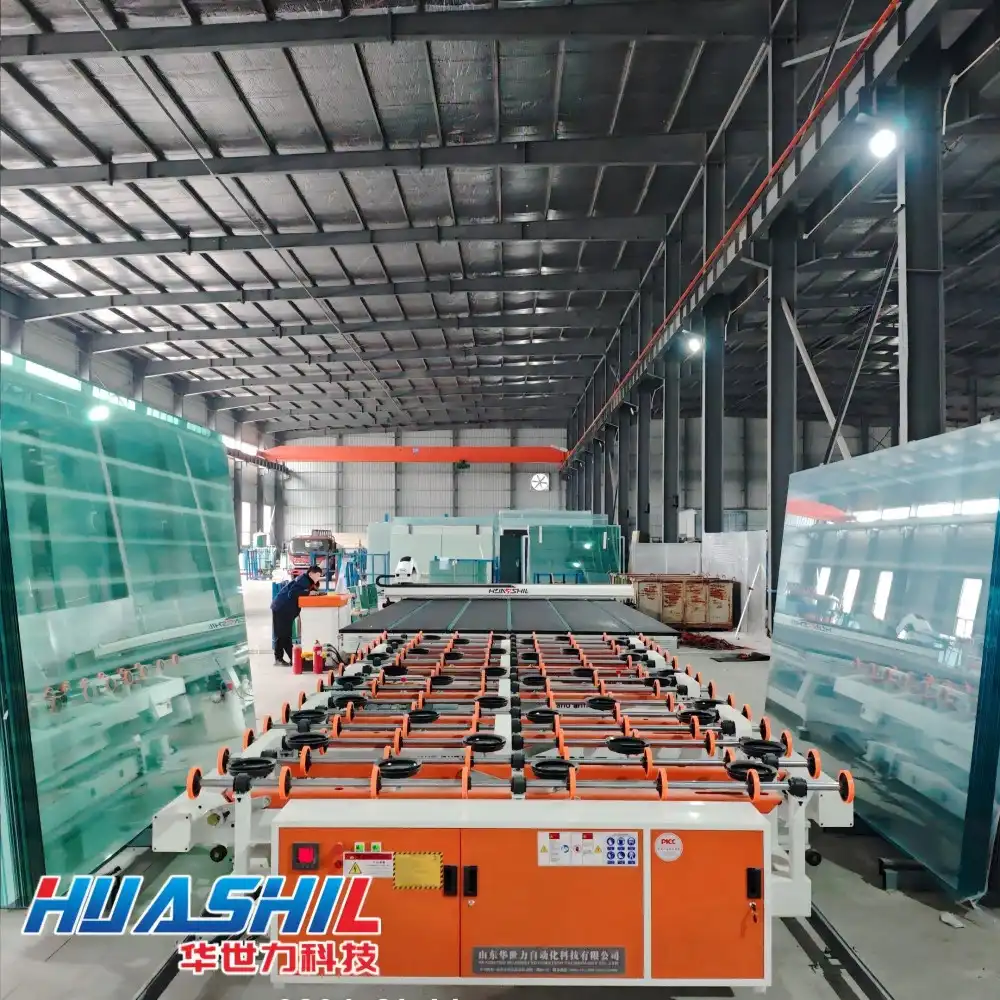
Modern air floating systems make it easier to move materials around by lowering friction and stopping surface damage during cutting. This technology is especially useful for high-quality materials like sintered stone and designed ceramic blocks, as the consistency of the surface affects the quality of the finished product.
Portability and Ergonomic Considerations
The weight, size, and ergonomic form of a machine have a big impact on the efficiency and safety of people who have to use it for a long time. Vibration reduction technologies lower the amount of vibration that power tools give off. This helps keep the person using the tool from getting tired and improves the accuracy of the cut. This is especially useful for detailed work that requires a lot of focus. People should be able to easily figure out how to use the handle and control placement safely during the whole cutting process.
Comparing Popular Portable Tile Cutting Machine Types and Brands
The market has a wide range of options, from simple hand-cutting tools to complex CNC-controlled systems with high-tech robotics. Each type has its own pros and cons. When buyers know these, they can match what the tools can do with the needs of the job and the budget.
Professional-Grade Equipment Categories
Basic straight-cutting tools for entry-level portable tile cutters, portable tile cutting machines usually work with standard ceramic and porcelain tiles. Mid-range systems have water cooling, dust cleaning, and angle cutting features that make them more useful for different tasks. High-end machines like the HSL-CNC2716 have a lot of features, such as the ability to set cutting designs, handle materials automatically, and check quality.
The long-term worth of equipment and the ability to keep it working are greatly impacted by the brand's image and help after a sale. Well-known makers offer full insurance coverage, extra parts that are easy to get, and expert support that keeps downtime to a minimum and allows work to continue during important project stages.
Cost-Benefit Analysis and Investment Considerations
Price segmentation helps buyers find a good mix between the cost to the buyer and the cost of running it. People who are careful about how they spend their money can find good tools for less than $5,000. On the other hand, high-end automatic systems cost over $50,000, but they are much more productive and accurate. Procurement strategies are easier for professional buyers to get right with cash flow management when they use bulk buying deals and payment options.
Safety, Maintenance, and Operational Best Practices
Operators are safe while equipment lasts longer, and performance standards are met with strict safety rules. Wearing the right personal protective equipment, like safety glasses, hearing protection, and dust masks, will keep you safe and make sure you follow the rules for safety at work.
Safety Protocols and Risk Management
When setting up a portable tile cutting machine, the cutting parameters must be set, the blade must be checked, and the material must be secured. Understanding the feed rate and cutting speed for each material helps you avoid damaging the blade and get the best cutting quality. Regular safety training helps workers notice possible problems and deal with emergencies in the right way.
To keep water cooling systems from getting dirty and make sure they keep working the way they're supposed to, they need to be serviced in a certain way. Proper water filtering and regular cleaning of the system prevent blades from getting too hot and make the tools last longer. When you cut things dry, you need better dust removal tools to keep the air clean and safe for breathing.
Preventive Maintenance Strategies
Systematic maintenance plans have daily cleaning steps, weekly checks of how well the machines are lubricated, and monthly checks of the blades. Planning for component replacement makes sure that extra parts are on hand so that unexpected downtime doesn't happen during important production times. Keeping records of repair work helps figure out how things get worn down and plan replacement schedules based on information about how they are used.
Procurement Guidance and Strategic Purchase Recommendations
When you buy things strategically, you need to make sure that what you buy can do what you need it to do. Project scale analysis helps figure out if portable options are more useful than fixed ones, especially for places that work with a lot of big-format materials.
Supplier Evaluation and Partnership Development
Supplier evaluation should focus on technical knowledge, the ability to help customers after a sale, and the possibility of working together as partners in the future portable tile cutting machine. Manufacturers that offer custom options and OEM support give system developers and specialized users extra help. The level of training programs and technical materials has a big effect on how well people can use new systems and how quickly they become proficient.
International sellers often offer better prices while keeping quality on par with domestic options. To make sure that the equipment can always be used, the delivery times, guarantee coverage, and availability of extra parts must be carefully studied.
Conclusion
A full study of technical specs, working needs, and long-term value is needed to pick the best portable tile cutting machine. Professional buyers have to find a mix between the features and portability of cutting tools, as well as automation, price limits, and the amount of time projects can take. Complex systems such as the HSL-CNC2716 give complete support for difficult tasks and the kind of freedom that makes it possible to work on a variety of projects. Successful buying puts the focus on relationships with suppliers, after-sales support, and making changes to equipment so that it fits the exact needs of the business.
FAQ
Q1: What cutting thickness capabilities should I expect from professional portable tile cutting machines?
A: Most professional systems can handle materials that are 3 to 18 mm thick. Higher-end models like the HSL-CNC2716 can handle the entire range of thicknesses. The type of material and blade used affect the maximum cutting depth. Ceramic and sintered stone need different cutting settings to get the best results.
Q2: How do automatic features improve cutting precision and productivity?
A: Automatic pressure control and edge-finding methods get rid of differences in how things are set up by hand, which makes sure that the cutting quality is always the same. These features make cutting faster and more efficient, and they don't require as much skill from the person operating the machine, compared to doing it by hand.
Q3: What maintenance requirements should I expect for advanced CNC cutting systems?
A: Daily cleaning, weekly checks of how well the machine moves, and calibrating the machine every so often are all part of regular maintenance. Advanced systems need users and repair staff to get special training, but makers usually offer detailed support programs and expert info.
Contact HUASHIL for Professional Cutting Solutions
HUASHIL provides the most advanced robotic technology designed to meet the needs of professionals in the fields of building, manufacturing, and architecture. Our wide range of products includes automatic production lines, advanced CNC systems, and tailored solutions that are meant to make work more efficient and exact. Enjoy better customer service, quick access to extra parts, and professional knowledge that makes sure your business runs smoothly. Email us at salescathy@sdhuashil.com to talk about your needs and find out why top producers around the world trust HUASHIL as their portable tile cutting machine provider.
References
1. Stone World Magazine. "Advanced Cutting Technologies for Natural Stone and Engineered Materials." Professional Stone Processing Guide, 2024.
2. International Tile and Stone Association. "Professional Equipment Selection Guidelines for Commercial Applications." Industry Standards Manual, 2023.
3. Construction Equipment Magazine. "Automation in Tile and Stone Processing: Efficiency and Safety Considerations." Manufacturing Technology Review, 2024.
4. Ceramic Industry Technical Bulletin. "CNC Cutting Systems: Performance Analysis and Selection Criteria." Industrial Equipment Assessment, 2023.
5. Building Materials Research Institute. "Comparative Analysis of Portable versus Stationary Cutting Systems in Professional Applications." Technical Research Report, 2024.
6. Glass Processing Technology Journal. "Safety Protocols and Best Practices for Professional Cutting Equipment Operation." Industry Safety Guidelines, 2023.
