




Choosing the right glass manufacturing equipment means you need to think carefully about your production needs, how much money you can spend, and your long-term business goals. The glass business includes many different areas, such as architectural glazing, car components, and decorative uses. Each area needs its own way of setting up the machines. Today's glass processing machines use modern automated systems, precise controls, and energy-saving designs to maximize output and keep high quality at the same time. Knowing your exact working goals, product specs, and production volume is the key to making smart choices about the tools your business needs, which will help it grow in the long run.
Understanding Your Glass Manufacturing Requirements
The most important part of the equipment selection plan is production volume research. Architectural glass makers usually need automatic systems that can process hundreds of panels a day, while smaller furniture makers might do better with flexible mid-range equipment that can handle different order sizes. Looking at your current production capacity and expected growth helps you figure out if your business direction is in line with the idea of buying either expandable modular systems or dedicated high-volume lines.
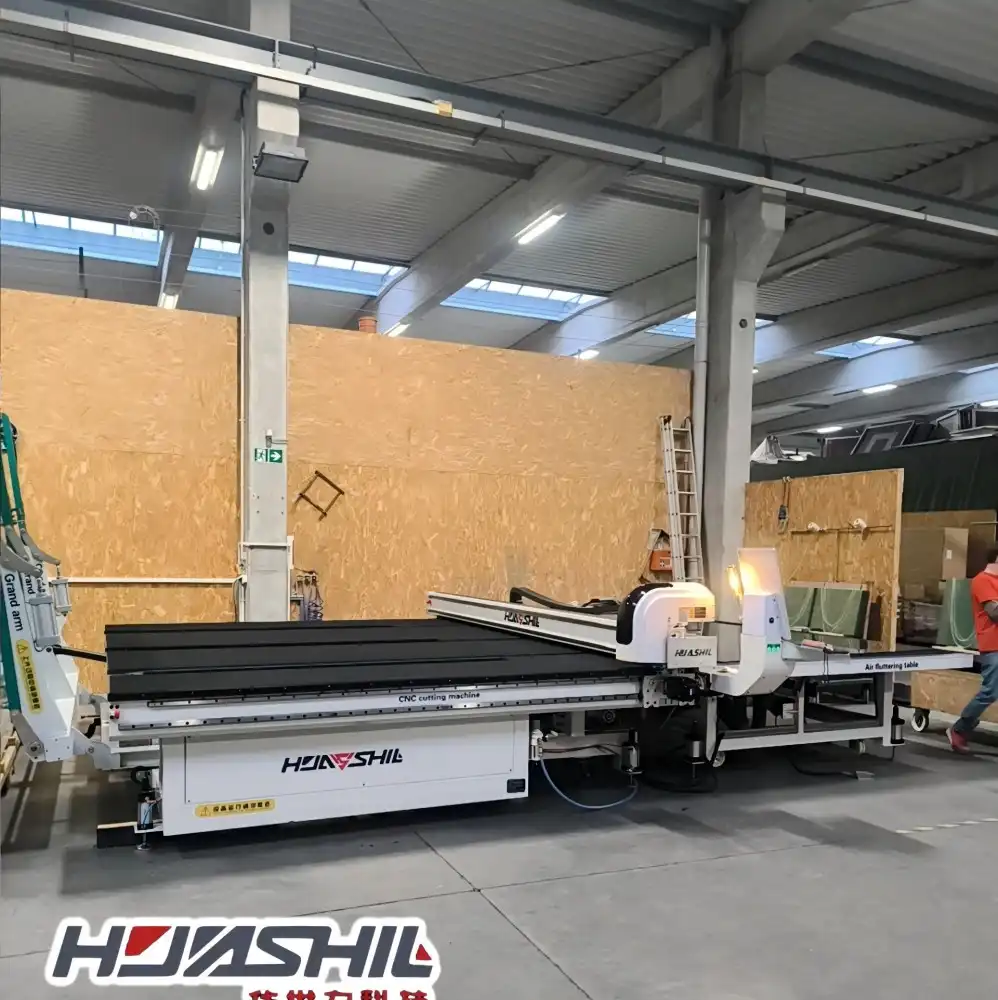
Product specs have a big impact on the tools needed for different kinds of glass and uses. Making tempered glass requires special ovens that can control the temperature exactly. Making laminated glass requires bonding tools that can control the pressure and heating cycles. When cutting and edging work is being done, glass with a Low-E layer on it needs to be kept safe from damage. This means that special handling methods must be used. The adaptable HSL-LSX5133 cutting system, part of advanced glass manufacturing equipment, has a glass size capacity of up to 5100×3300 mm and combined low-E deletion functionality, so it's appropriate for big building projects that need specialized coating removal.
When deciding on a level of automation, one must find a balance between the need for operating speed and the desire to limit capital investments. Fully automatic production lines lower the cost of labor and make things more consistent, but they need a lot of money and technical knowledge to be used and fixed. Semi-automated systems are flexible for companies that are moving away from doing everything by hand, and they also make it easier for companies to grow in the future. You can choose between a fully automated, semi-automated, or manual option based on your present employees' skills, the training you have available, and your long-term plan for how you want your business to operate.
Core Criteria for Selecting Glass Manufacturing Equipment
Performance metrics review includes throughput rates, accurate standards, and the ability to lower defect rates, all of which have a direct effect on profit. With advanced optimization software like Optima, which makes the best use of materials and creates as little waste as possible, modern glass manufacturing equipment and cutting systems are able to work with amazing precision. When deciding on production speed, one must consider the needs for both flow and quality, since very high speeds can hurt edge quality and measurement accuracy.
As the cost of utilities goes up and rules about the environment get stricter, the energy economy has become more and more important. New glass-making machines use regenerative heating systems, variable-speed drives, and smart power control features that use a lot less energy than older machines. In tempering furnaces, heat recovery systems can save more than 30% of energy, which leads to much lower costs of running the equipment over its lifetime.
Long-term operating success and total cost of ownership are determined by reliability and how easy upkeep is to get to. When equipment is designed with flexible parts, work doesn't have to stop for long when worn-out parts are replaced. Using built-in sensors and tracking systems for predictive repair can help find problems before they make the equipment stop working. The 2+2 station setup that comes with advanced cutting lines is an example of how systems with changeable stations can be set up in different ways. This lets workers figure out the best way to do things based on how much they need to make right now.
Following safety standards saves the health of workers and ensures that rules are followed in a range of places. Emergency stop systems, light curtains, and automatic material handling are just a few of the many safety features that are included in modern glass manufacturing equipment to help keep operators out of danger. Safety approval from a well-known standards group shows that the maker wants to protect the people who use the equipment. This also lowers the buyers' risk of being sued.
Comparing Different Types of Glass Manufacturing Machines
Glass cutting systems are the most important part of most processing processes. The technology used for glass cutting ranges from old-fashioned manual scoring to modern automatic optimization platforms. CNC cutting tables use smart nesting algorithms to make very precise cuts on complicated forms and keep material waste to a minimum. Multi-station cutting lines increase efficiency by allowing loading, cutting, and breaking to happen at the same time on separate work areas.
Adding specialized work areas makes operations more efficient and improves product quality. Today’s cutting systems come with specialized tables for safely placing materials, precision cutting tables with improved support, and broken tables that are made for clean separation without damaging the edges. The modern HSL-LSX5133 system shows that this three-table setup keeps glass cutting efficient and maintains great handling of the glass.
Edge processing equipment and glass manufacturing equipment make sure that glass panels are structurally and aesthetically correct by cutting, cleaning, and beveling. When automated cutting lines work, they are able to keep the same level of quality while processing multiple edges at the same time. Variable edge profiles fit a range of building and design needs, from normal flat edges to fancy curved profiles that are needed for high-end uses.
For safety-critical uses, tempering and strengthening methods improve the way glass reacts to force. Horizontal tempering furnaces heat big panels evenly, while vertical systems are better at working with smaller parts that are hard to shape. Choosing the right furnace relies on the types of products, the amount of output, and the quality needs that are specific to the target markets.
Market Insights – Brands, Costs, and Procurement Tips
Top equipment makers have built names by always coming up with new ideas and making sure their products work in a wide range of markets. European producers usually focus on advanced robotics and precision engineering. On the other hand, Asian sellers often offer strong technical support at low prices. Looking at the history of the manufacturers, the size of the established base, and the availability of local service support helps identify providers that are able to offer the benefits of a long-term relationship beyond the delivery of the first equipment.
Total cost of ownership estimates include much more than just the price of the technology and glass manufacturing equipment; they also include installation, training, upkeep, and the cost of running it for the duration of its lifetime. The ongoing costs of a business are greatly affected by the trends of energy use, the availability of spare parts, and the times in which service to respond. Leasing is one way to finance that can help you control your cash flow and get access to the newest technologies without having to spend a lot of money upfront.
Here are some important things to think about when buying equipment:
- Alignment of technical specifications: A close study of the production needs and the equipment's capabilities makes sure that the system works well and avoids expensive mistakes that hurt the efficiency of the operation.
- The framework for service support: The amount of local expert help, the number of spare parts on hand, and the promise of quick reaction times all have a direct effect on machine uptime and the long-term success of operations.
- Training and sharing what you know: Detailed training for operators and good technical paperwork make sure that equipment is used to its full potential from the very first day and that everything runs smoothly.
- Warranty and promises of performance: Clear warranty terms and performance pledges protect you from equipment defects and make sure the provider is responsible for the capabilities they promise to deliver.
These buying factors work together to make sure that the equipment is used correctly and that operations continue to run smoothly for as long as the equipment can be used.

Implementing Your Equipment Strategy for Long-Term Success
Customization makes it possible for the equipment to be changed to meet certain output needs and limitations of the building. Flexible automation systems can adapt to different kinds of products and handling needs without having to be changed in a big way. The advanced cutting systems with five grand arms on each side make it easier to handle materials while keeping big glass panels in the right place.
Above-ground and underground train systems can be installed in a variety of ways to fit with the way that facilities are set up and how work is done. While underground systems make the best use of floor space and improve the speed of material flow, ground-level systems make upkeep and installation easy. This decision relies on the facility's limitations, how maintenance is done, and how well the operational process needs to be optimized.
Training your staff on how to use new glass manufacturing equipment makes sure it gets properly adopted and used to its full potential. Operators can get the best performance out of their equipment and keep it from breaking down by giving them full training on how to use it, how to take care of it, and how to fix it when it goes wrong. Ongoing education programs help staff get used to new technologies and better processes that make the business more competitive.
Data analytics and key performance indicators make it possible to constantly improve how things are done by keeping an eye on performance. Modern tools create a lot of data about how they are used, including information on repair needs, energy use, material use, and output rates. Looking at these measures helps find areas where things can be done better and helps people make smart choices about how to improve processes and plan for capacity growth.
Conclusion
A thorough analysis of the production needs, technical requirements, and long-term business goals is necessary before choosing the best glass manufacturing equipment. Today's automation tools make it possible to improve speed and quality while also cutting costs in a way that hasn't been possible before in all kinds of industrial settings. In tough market conditions, the use of cutting-edge tools like optimization software, adaptable automated systems, and strong safety measures gives producers the upper hand. When you choose tools, you need to make sure that it meets both your current and future needs. You should also make sure that your suppliers can be trusted to help your business succeed in the long run.
FAQ
Q1: What things help me figure out the perfect size glass cutting machine for my business needs?
A: The ideal cutting system specs are determined by the amount of production, the largest measurements of the glass, and the different types of products that are needed. Maximum cutting sizes, like the 5100×3300mm capability, are useful for working with big building panels. On the other hand, smaller furniture makers might value freedom and low cost over maximum size capacity. When you choose equipment standards, think about both what you need now and what you might need in the future as you grow.
Q2: What role does optimization software play in current glass manufacturing equipment?
A: Optimization software has a big effect on how materials are used, how efficient the output is, and how much waste there is. Advanced systems, such as Optima software, intelligently figure out the best way to cut materials, reduce waste, and speed up production. The software combination can save 5–15% of the cost of materials compared to planning by hand, which directly increases profits.
Q3: What upkeep factors should glass manufacturing equipment selection be based on?
A: To be able to do repair, it is very important to be able to get to the equipment, have the right parts on hand, and have a system in place to get help with service. Choose systems with modular designs that make it easy to change parts, established ways of getting extra parts, and provide full technical documents. The amount of local service help available and the time it takes to respond directly affect how long tools can be used and the overall cost of operations.
Partner with HUASHIL for Advanced Glass Manufacturing Solutions
Shandong Huashil Automation Technology stands as a leading glass manufacturing equipment supplier, combining years of engineering expertise with cutting-edge automation technology. Our comprehensive equipment portfolio addresses diverse production requirements across architectural, furniture, and specialty glass manufacturing sectors. The HSL-LSX5133 cutting system demonstrates our commitment to innovation, featuring advanced Optima optimization software, flexible station configurations, and robust handling capabilities that maximize productivity while maintaining exceptional quality standards.
Our technical team provides comprehensive support throughout the equipment lifecycle, from initial specification development through installation, training, and ongoing maintenance. We understand the critical importance of minimizing downtime and maximizing equipment utilization in competitive manufacturing environments. Our modular equipment designs enable future expansion and upgrade opportunities that protect your investment while accommodating business growth.
Ready to enhance your glass manufacturing capabilities with proven automation technology? Contact us at salescathy@sdhuashil.com to discuss your specific production requirements and discover how HUASHIL equipment can transform your manufacturing operations. Visit huashil.com to explore our complete range of glass processing solutions and discover why manufacturers worldwide trust HUASHIL for their automation needs.
References
1. International Glass Manufacturing Association. "Equipment Selection Guidelines for Modern Glass Production Facilities." Glass Technology Journal, Vol. 45, 2023, pp. 112-128.
2. Chen, Michael. "Automation Trends in Architectural Glass Manufacturing: A Comprehensive Analysis." Industrial Engineering Quarterly, Vol. 38, No. 2, 2023, pp. 67-84.
3. European Glass Technology Institute. "Energy Efficiency Standards in Glass Processing Equipment." Sustainable Manufacturing Review, Vol. 29, 2023, pp. 203-219.
4. Rodriguez, Maria and Thompson, James. "Total Cost of Ownership Analysis for Glass Manufacturing Automation Systems." Manufacturing Economics Today, Vol. 51, 2023, pp. 45-62.
5. Glass Industry Safety Council. "Modern Safety Standards and Risk Management in Glass Manufacturing Equipment." Occupational Safety in Manufacturing, Vol. 33, 2023, pp. 156-171.
6. Williams, Robert. "Optimization Software Applications in Glass Cutting Operations: Performance and ROI Analysis." Advanced Manufacturing Technology, Vol. 42, 2023, pp. 89-105.
