




Precision automati On adaptive control systems and clever software built into high-performance glass processing equipment make it possible for industries to produce more with less waste and mistakes. Modern machines with automatic loading, pressure control, and edge-finding technologies cut the number of breaks by up to 18% compared to regular systems. Real-time tracking and improved cutting methods make sure that the quality is always the same for architectural, car, and furniture glass uses. Plant managers and production directors are under a lot of pressure to boost throughput while keeping costs low. These advanced systems make it easier to measure gains in both output amount and material utilization efficiency.
Introduction
These days, making glass in an industrial setting requires tools that do more than just their basic job. In the architectural, car, and furniture industries, where margins are tight and quality standards are strict, makers need high-performance glass-processing equipment to stay competitive. These high-tech systems are different because they have better accurate control, faster operation speeds, and smooth automation that regular machines just can't match.
We know the problems that plant managers and production heads are having right now. For every percentage point increase in yield, there is a clear link to lower costs, especially when working with high-quality products. Material waste from bad cuts, chipped edges, and broken pieces can hurt profits faster than most working costs. Investing in advanced processing technology solves these problems while also making products more consistent and lowering the need for manual work. This guide looks at how modern equipment changes yield performance by offering measured technical benefits that engineering managers looking at specs and procurement teams looking at total cost of ownership will find useful.
Understanding High-Performance Glass Processing Equipment
Defining Advanced Processing Technology
Modern systems for handling glass use advanced technologies that set them apart from regular machines. Cutting is done with micron-level accuracy thanks to precision servo motors, and adaptive control programs change parameters in real time based on the properties of the material and the surroundings. Automation is more than just using machines to do work. It also includes smart decision-making that adapts to changes in production factors without constant human input.
Types of Equipment and Their Applications
The glass processing landscape encompasses many different types of specialized machines used in glassmaking. CNC cutting systems make sure that building pieces and car windshields are cut to exact sizes. Tempering kilns use controlled heat treatment to make safety glass. Edging tools make sides that are smooth and free of chips, which is important for decorating and making furniture. Systems for washing and painting surfaces get them ready for later treatments. Even though each type of equipment is designed to meet different production needs, they can all be made to work better by making things like cycle times faster, setup times shorter, and material handling better.
The Role of Automation in Yield Optimization
Automation changes the economy of production in a basic way. Errors in human handling that lead to microfractures can't happen with robotic loading systems. Synchronized belt conveyors keep the flow of materials steady between steps of handling, which cuts down on bottlenecks. Surface touch that causes scratches or stress points is avoided by air flotation devices. In high-performance glass processing equipment, cutting force is changed automatically based on the thickness of the glass. This keeps the glass from being over-stressed, which can break it. These built-in features work together to make production settings where things move quickly through steps without the accumulation of mistakes that happen with human processes.
Common Yield Challenges in Glass Processing and How Advanced Equipment Solves Them?
Breakage and Material Loss
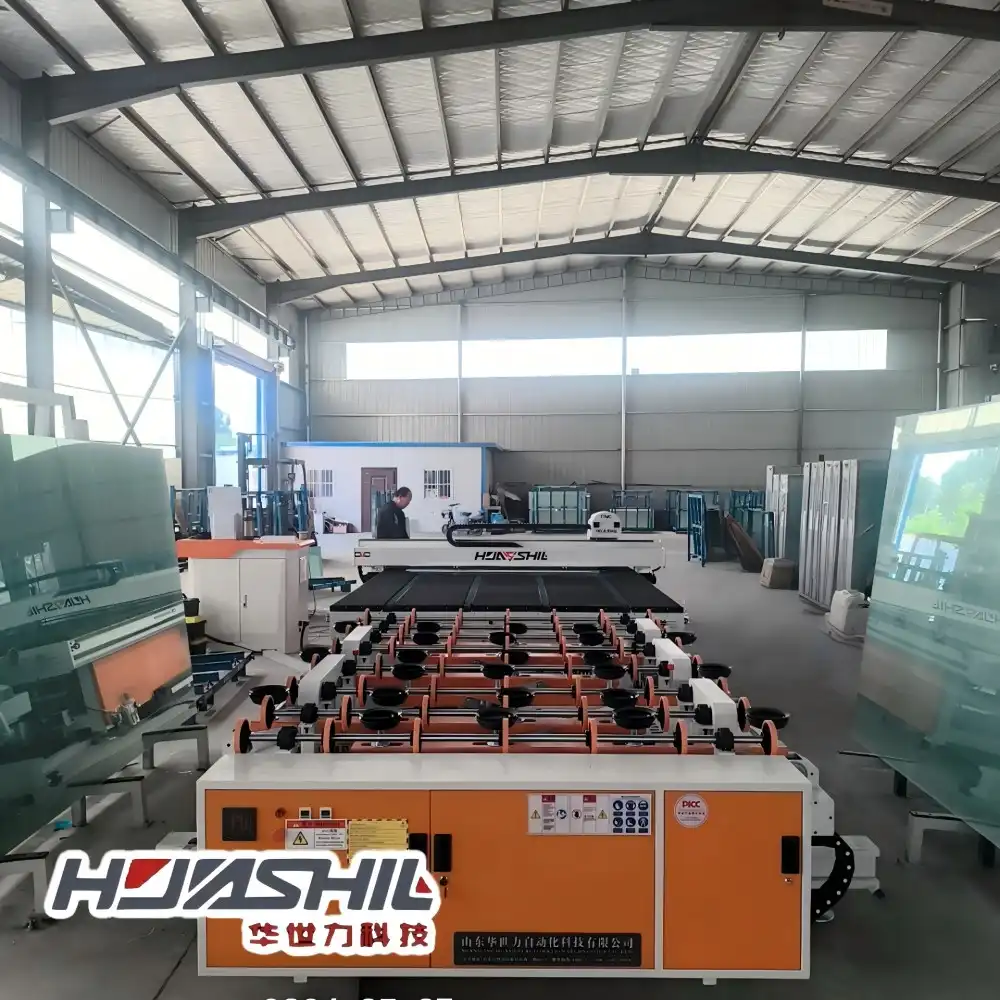
Breaking glass is the most obvious and expensive problem with production. Standard cutting tools don't always apply even pressure or have exact positioning controls, which can lead to tiny cracks that grow into full breaks. This is taken care of by more advanced systems, like our HSL-YTJ3829 model, which have automatic pressure control that changes the cutting force for thicknesses between 2 and 19 mm. The automatic edge-finding function makes sure that the cutting lines are perfectly lined up with the measurements of the material. This gets rid of the positioning mistakes that cause stress to build up at the edges.
Inaccurate Cuts and Dimensional Variation
Precision in dimensions has a direct effect on performance, especially in situations where tight margins are needed. When measuring and placing things by hand, mistakes can add up over time and lead to scrap areas that are too big or pieces that are too small to be used. Cutting shapes that make the best use of material while still meeting specifications are calculated by modern tools with optimal optimization software. The software looks at the size of the glass sheet and the needs of the order to make plans that cut down on trim waste by 12 to 15 percent compared to human nesting methods.
Throughput Bottlenecks
Manufacturers have to pick between speed and quality because of limited production capacity. However, modern equipment gets rid of this false choice. Automatic loading, synchronized transport, and planned breaking tables work together to make a smooth process where materials move from one task to the next without any problems. A 360-degree walking feature on the remote control lets operators move and place tools without stopping work. When plants install fully automated cutting lines, they say that throughput goes up by 40 to 60 percent and quality rates on the first pass get better at the same time.
Measurable Yield Improvements
Real effects can be seen in industrial applications. Within six months of adding automated cutting equipment, a curtain wall maker in the Midwest cut the rate of breakage from 4.2% to 1.8%. This saved the company more than $180,000 a year in material costs alone. An architectural glass machine made cutting more accurate to within 0.3 mm, which got rid of the need for repairs that used to take up 8% of production capacity. When you switch from standard processing technology to advanced processing technology, these case studies show how you can usually get better results.
Comparing Advanced Glass Processing Equipment with Standard Machines
Precision and Accuracy Standards
Precision is what sets good tools apart from great systems. Standard tools usually have a positioning accuracy of ±1.0 mm, which is fine for simple tasks but not good enough for high-end building or car work. Advanced CNC systems can repeat measurements within ±0.2 mm over long production runs, making sure that all the dimensions are always met. This level of accuracy is especially important for curtain wall installers, since misaligned panels make installation harder and make the wall look bad. With a maximum glass size of 3660 x 2800 mm, the HSL-YTJ3829 can handle big building panels while keeping accuracy across the whole working area.
Production Speed and Efficiency
Comparing cycle times shows big changes in how much work gets done with high-performance glass processing equipment. Standard equipment needs 90 to 120 seconds per piece for manual loading and placement. Automated filling systems cut this time down to 25–35 seconds and get rid of mistakes that happen when operators are tired. Synchronized belt transportation keeps the flow of materials steady at speeds that match the cycle times of cutting operations. This keeps lines from forming between stations. The cumulative effect transforms daily output potential, enabling plants to fulfill larger orders within existing shift structures.
Energy Consumption and Operating Cost
Operating costs are more than just the starting cost of buying tools. Modern systems use 20–30% less energy than older ones because they have motors that use less energy, hydraulic circuits that work better, and smart power management. Less breakage and repair mean less money spent on materials, which is usually the biggest changeable cost in glass processing. Maintenance requirements also differ substantially—modern equipment with predictive monitoring and modular component design typically requires 40% fewer service interventions than conventional machines.
Safety and Compliance Features
Safety performance affects both the safety of workers and the continuation of operations. Modern machines that meet CE and ISO9001 standards have safe areas for cutting, emergency stop systems, and automatic shutdown procedures that keep things from getting dangerous. These designed safety features cut down on accidents at work and make sure that regulations are followed in all foreign markets. The full safety integration is especially appealing to plant managers who are in charge of keeping OSHA rules and limiting their risk exposure.
Procurement Insights: Where and How to Source Advanced Glass Processing Equipment?
Identifying Qualified Manufacturers
Choosing a supplier starts with evaluating the maker. Established providers show their knowledge by offering a wide range of products, checking the installations of previous customers, and providing clear technical documents. Manufacturing skills, such as in-house research and development, quality control systems, and infrastructure for after-sales support, show that the relationship will work in the long run. Shandong Huashil Automation Technology is a good example of this type of maker because it has years of experience making things and can send them all over the world to architectural glass plants, curtain wall integrators, furniture manufacturers, and stone fabricators.
Evaluation Criteria for Equipment Selection
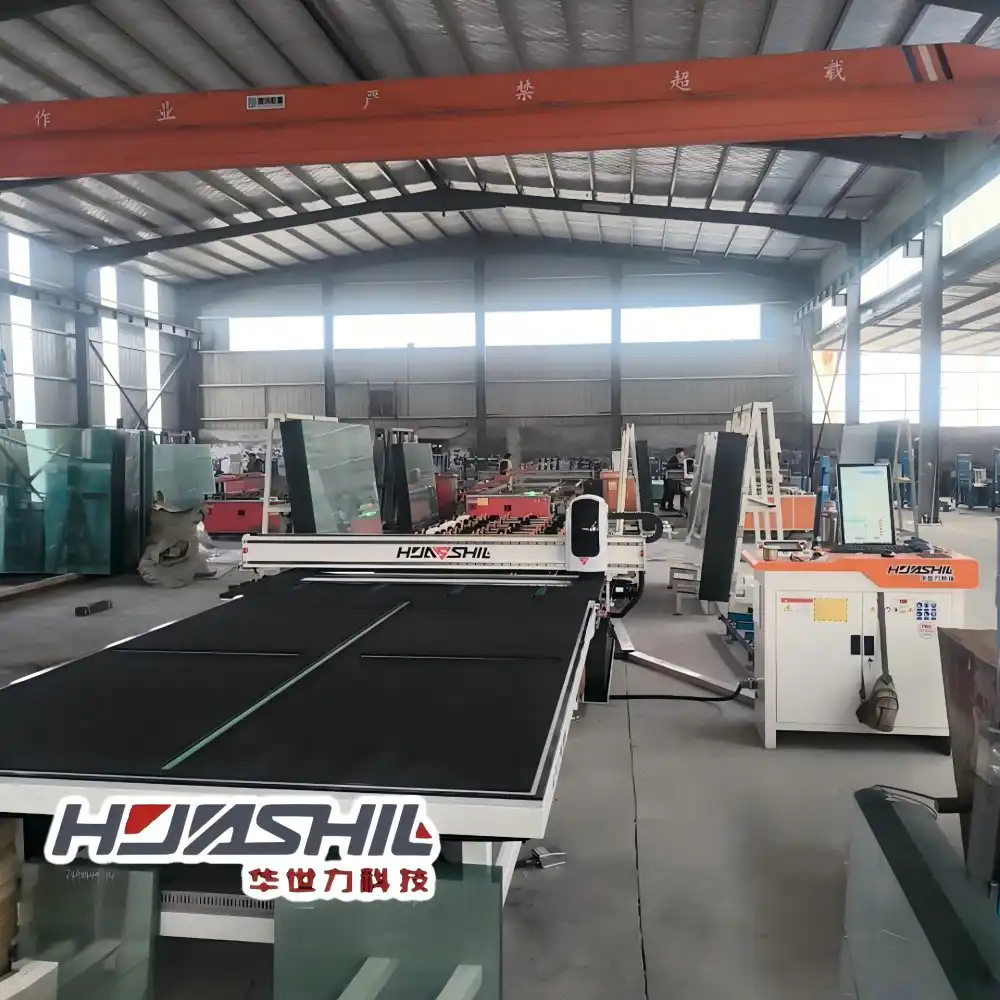
To make sure that technical standards are in line with production needs, they need to be carefully analyzed. The glass size capability needs to be able to hold the current mix of products while still leaving room for new uses in the future. The range of thicknesses should be able to handle the expected range of materials without needing multiple specialized tools. The operational efficiency potential is based on software features such as optimization tools and the ability to integrate production management. The Optima software that is built into our systems offers advanced layout optimization, which procurement managers can check by seeing a presentation and visiting reference sites.
Pricing Structures and Commercial Terms
Investing in high-performance glass processing equipment means more than just paying for it. The clear price includes the cost of the machine itself, as well as installation services, training for the user, and the first stock of spare parts. Final quotes are affected by things like volume and the need for customization, so working with sellers early on is important for accurate planning. Payment terms usually include deposit frameworks or letter of credit agreements that cover both the buyer's and the supplier's need for production financing. To understand the total cost of ownership, you need to look at more than just the original cash outlay. You need to look at how often maintenance is needed, how easy it is to get parts, and how long the product is expected to last.
Building Supplier Relationships
Procurement that works well includes more than just buying things; it also includes building smart partnerships. Suppliers who give plant tours, equipment demos, and expert advice show that they care about their customers' success. Being able to customize products through OEM and ODM means that you have choices for specific uses or needs for production line integration. Long-term suppliers offer ongoing expert help, training programs, and quick parts fulfillment, while one-time sellers are only interested in making one-time sales.
Conclusion
Modern high-performance glass processing equipment improves yield performance by using precise automation, smart control systems, and built-in safety features that get rid of the main problems that stop standard machinery from doing its job. When production leaders look at upgrading their tools, they will see real benefits like fewer breaks, more accurate measurements, and higher throughput. These features are shown by the HSL-YTJ3829 system, which has automatic loading, adaptable pressure control, and Optima software integration that makes the best use of materials in furniture, architecture, and specialty glass uses. Concrete measures, like 12–18% higher yields, 40–60% higher throughputs, and 20–30% lower energy use, can help procurement teams support investments. To move forward, we need to work with producers who can show they have the technical know-how, global support, and dedication to long-term customer success.
FAQ
1. What factors most significantly improve yield in glass processing operations?
The biggest yield gains come from precise cutting and automatic material handling. Keeping equipment's positioning precision within ±0.2 mm cuts down on edge waste and dimensional scrap. Handling mistakes that lead to micro-fractures and breakage are eliminated by automated packing and transportation systems. By intelligently stacking sheets to get the most out of them, optimization software cuts trim waste by 12 to 15 percent. When you put these things together, they take into account both huge losses from breaking things and small wastes from not using materials efficiently.
2. How does automation reduce waste in glass cutting and processing?
Automated systems eliminate human variability in critical operations. Automatic pressure control adjusts cutting force based on feedback from the material in real time, preventing over-stress that causes breakage. Edge-finding features make sure that the cutting lines are perfectly lined up with the real dimensions of the material. With synchronized transportation, the flow of materials stays steady, with no stops and starts that can cause stress points. Real-time tracking finds problems as they happen, before they lead to broken pieces, allowing parameters to be changed to avoid loss instead of finding it after the fact.
3. Can glass processing equipment be customized for specific production requirements?
Manufacturers that offer OEM and ODM services give customers a lot of ways to customize their products. The measurements of the working area can be changed to fit glasses of different sizes. Integration of software lets it connect to production control tools that are already in place. Specialized equipment is used for edge treatments or different types of materials. The structure of a building and the way work gets done can change how the conveyors are set up. For complicated systems, the customization process can take up to six months and includes expert advice, developing specifications, testing prototypes, and putting the final system into production.
Partner with HUASHIL for Superior Glass Processing Solutions
HUASHIL offers tried-and-true automatic glass-making technology that changes the amount of glass that can be made and how efficiently it can be used. We provide reliable machinery and full support to architectural glass plants, curtain wall integrators, furniture makers, and stone fabricators all over North America. As an experienced high-performance glass processing equipment manufacturer, our HSL-YTJ3829 cutting system uses clever pressure control, automatic loading, and Optima optimization software to get the most out of the material and break it as little as possible. Our dedication to quality and safety standards is shown by our CE and ISO9001 certificates. Our tech team can help you whether you need a single cutting machine or a fully automatic production line. They can make solutions that fit your needs exactly. Get in touch with our sales team at salescathy@sdhuashil.com to talk about your production problems and look into equipment choices that will help you get a better return on investment (ROI) through higher yield performance.
References
1. Glass Manufacturing Industry Council. "Yield Optimization Strategies in Automated Glass Processing." Industrial Glass Technology Review, 2022.
2. Patterson, Robert and Chen, Wei. "Comparative Analysis of CNC Glass Cutting Systems: Precision, Throughput, and Economic Performance." Journal of Manufacturing Systems Engineering, 2023.
3. European Committee for Standardization. "Safety Requirements for Glass Processing Machinery: CE Certification Guidelines." Technical Standards Publication, 2021.
4. American Society of Mechanical Engineers. "Automation Impact on Manufacturing Yield in Glass Fabrication Plants." ASME Technical Conference Proceedings, 2022.
5. International Organization for Standardization. "Quality Management Systems for Glass Processing Equipment Manufacturers: ISO9001 Implementation Guide." Standards Documentation, 2023.
6. Thompson, Sarah and Martinez, Carlos. "Total Cost of Ownership Analysis for Industrial Glass Processing Equipment." B2B Procurement Quarterly, 2023.
