




In today's competitive industrial world, cutting granite has become an important part of modern production, especially in fields that need high durability and aesthetic accuracy. The automatic stone cutting machine is a huge step forward that changes the way stones are usually worked with. Compared to manual processes, these automated systems offer cutting precision that is unmatched, production speeds that are much faster, and cost-effectiveness that is truly amazing. By using automation technology in granite cutting, companies can get consistent, high-quality results on a large scale, all while meeting the strict requirements of global procurement standards and foreign supply chains.
Understanding Automatic Stone Cutting Machines and Their Advantages
When compared to traditional hand tools, modern automatic stone cutting machines are more precise because they use complex physics and digital control systems. These high-tech machines use fully automated processes that include CNC technology and laser-guided systems to make sure that the blades move consistently and that the cutting depth is always precisely controlled.
Core Features of Advanced Cutting Systems
There are a few key technological parts that make up automatic stone cutting machines. These parts work together to produce great results. Computer Numerical Control (CNC) systems make it possible to precisely control movements, and cutting factors are tracked in real time by high-tech sensors. These machines usually have strong steel frames that are made to keep the machines from shaking and keep the accuracy of the cuts even when they are working hard.
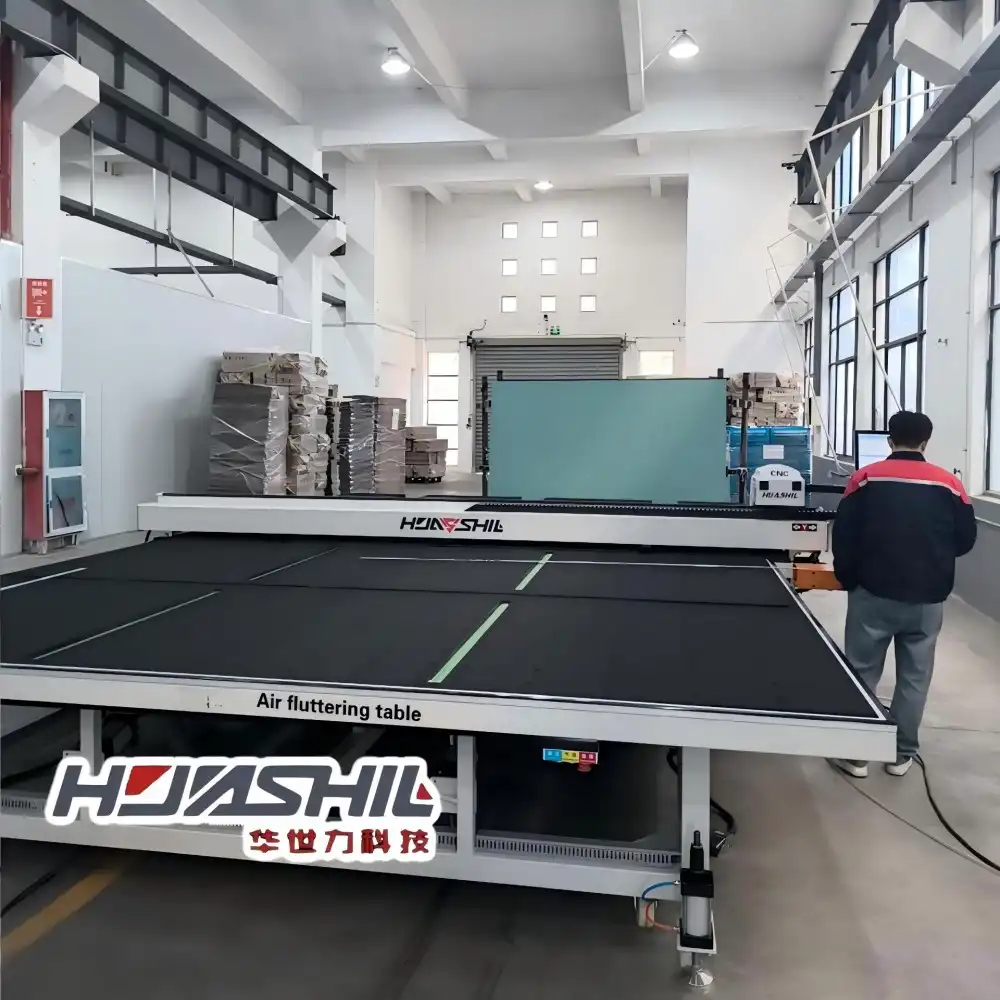
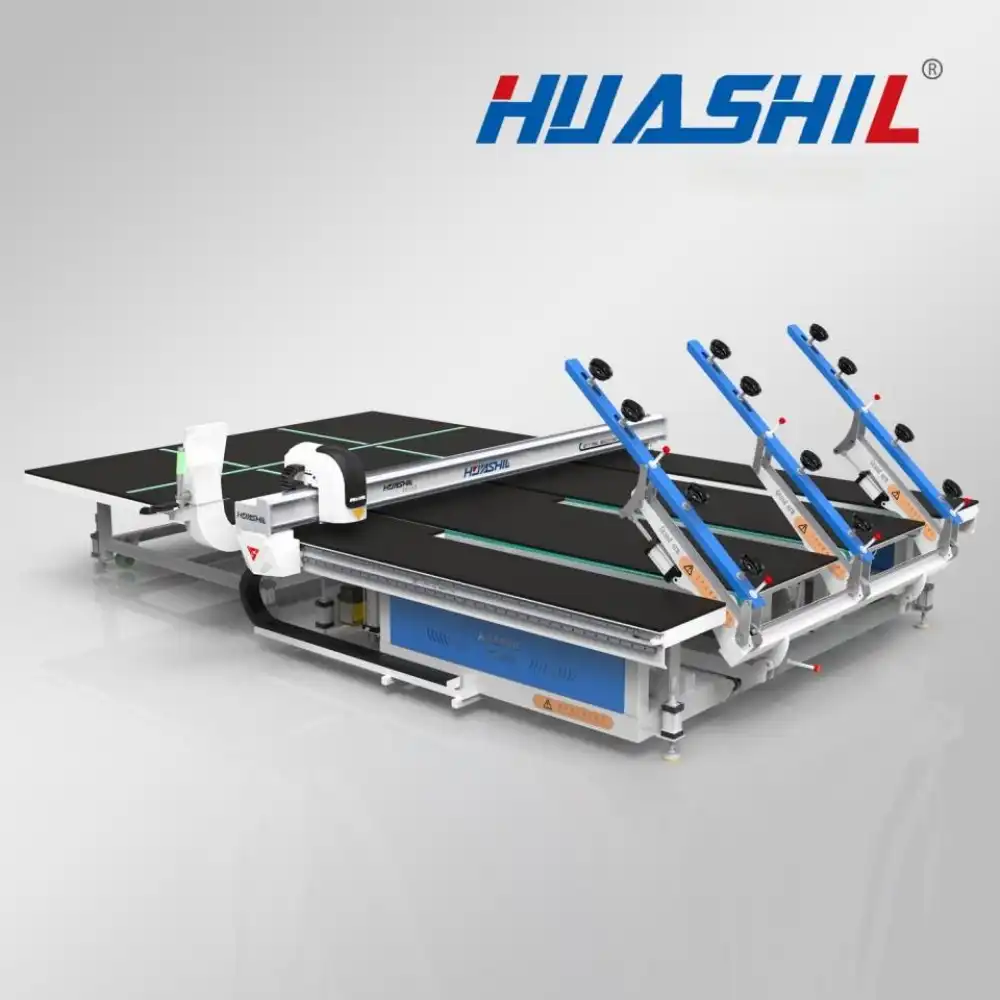
With a maximum working size of 2700*1600mm and a glass cutting thickness range of 3-18mm, the HUASHIL HSL-CNC2716 model is a great example of these high-tech features. The industrial-grade stability of the Eos-cnc control system is matched by its ease of use. Some important features are an automatic pressure control system that changes the cutting force based on the density of the material, automatic edge finding technology that makes sure the machine is in the right place, and an air float system that lowers friction while moving the material.
Operational Benefits and Production Advantages
In current factories, automatic stone cutting machines are very helpful because of the following:
- Better Cutting Accuracy: Automated systems get rid of the variables that can lead to mistakes made by humans. This means that cuts are always the same and tolerances are measured in hundredths of millimeters, which is important for architectural uses that need perfect fits.
- More products can be made at once: modern tools can work with materials three to five times faster than people can. This cuts down on production times and helps companies meet tight deadlines for deliveries.
- Reduced Reliance on Labor: Automation reduces the need for skilled manual workers, which cuts down on labor costs by up to 60% and makes the workplace safer by keeping people from touching cutting tools directly.
- Better Use of Materials: Precise cutting patterns make the best use of materials, cutting waste by 15–20% compared to manual cutting methods and making the job more profitable as a whole.
All of these benefits address the main concerns of production managers and engineering teams that want to increase efficiency while keeping high quality standards.
Comparing Automatic Stone Cutting Machines: Making the Right Choice for Your Business
To choose the best granite cutting option, you need to carefully think about how precise you need it to be, how fast you need it to work, and how much it will cost. To make a choice, you have to look at a number of different types of machines, each of which is made for a different output level and set of needs.
Machine Categories and Capabilities
Fully automatic tools are the best way to cut things because they can do it with the most accuracy and speed. These systems usually have full automation, from adding materials to moving finished goods, which makes them perfect for places that make a lot of things. Semi-automatic models offer a balance between the benefits of automation and the freedom to change how they are used. They let operators keep control of certain cutting factors while still getting the benefits of automated precision.
CNC-controlled cutting systems are great for jobs that need to cut shapes and designs that are very complicated. These machines can cut complex designs that can't be done by hand and must be done the same way every time. Adding laser guidance technology improves cutting precision even more, which is especially helpful for decorative tasks where the quality of appearance is very important.
Technology Integration and Future-Ready Features
Brand-new technologies are changing the rules in the business and opening up new options for cutting granite. Using artificial intelligence in repair makes it possible to plan, which cuts down on unexpected downtime and increases the life of the equipment. Smart sensors constantly check the cutting conditions and adjust the settings to keep the best performance even when the material properties change.
In the past few years, the category of sintered stone cutting machines has grown a lot. This is because more and more building and interior design projects need engineered stone materials. These special machines can cut clay slabs and tiles with a level of accuracy that regular granite cutting tools can't match.
Practical Tips for Maintaining and Operating Automatic Stone Cutting Machines
To get the most out of automated granite cutting machines in terms of performance and lifespan, it's important to follow thorough maintenance routines and best practices for operation. Regular preventive maintenance is the key to making sure that equipment works well. It includes things like regular checks, replacing parts in a planned way, and fixing problems before they get worse.
Essential Maintenance Protocols
Every day, maintenance tasks should include checking the cooling system for proper functioning, visually inspecting the cutting blades for signs of wear, and cleaning the surfaces used for moving materials. As part of the weekly repair, moving parts are oiled, the calibration is checked, and the electrical connections are inspected. Comprehensive system diagnostics, replacement of worn-out parts, and recording of performance metrics are all part of the monthly processes.
Problems that workers often have are blade wear, alignment drift, and blockages in the coolant system. The most common signs of blade wear are rougher cuts or slower cutting speeds. Fixing this problem right away keeps the cutting quality high and keeps the workpieces from getting damaged. Alignment issues are often caused by a machine's weak base or excessive vibration, which needs to be fixed by using precise measuring tools.
Safety Protocols and Operator Training
Safety is still the most important thing in automated cutting processes, and full training programs are needed to keep workplaces safe. Operators need to know how to shut down the machine in an emergency, how to handle materials safely, and what safety gear they need to wear. There are safety features built right in, like emergency stop systems, protective barriers, and automatic shutdown prompts that go off when safety limits are crossed.
The right way to handle an automatic stone cutting machine keeps it from wearing out too quickly and maintains the cutting accuracy for a long time. Some of these practices are slowing down gradually during start-up, using the right methods to keep materials safe, and following a set of steps for shutting down that protects sensitive parts. Regular changes to operator training make sure that they are aware of new safety rules and ways to improve operations.
Environmental Impact and Future Trends in Granite Cutting Automation
By making better use of resources and reducing waste, automatic stone cutting tools make a big difference in protecting the environment. Precision cutting skills cut down on material waste by a large amount, resulting in fewer offcuts and scraps compared to manual cutting methods. This efficiency directly leads to less waste of raw materials and less damage to the environment for each final product.
Sustainability Advantages and Resource Optimization
Another important environmental benefit of automated cutting devices is that they use less energy. The latest machines have variable-speed drives and smart power management systems that change how much energy they use based on how much they need to cut. When compared to manual tasks, these systems usually use 20 to 30 percent less energy while still cutting better.
Closed-loop coolant recycling and precise coolant delivery that reduces waste are two ways that improved cutting systems save water. For some jobs, some systems can do dry cutting, which means they don't need any water and have less of an impact on the environment.
Future Technology Trends and Industry Evolution
In the future, technology for cutting granite will focus on adding artificial intelligence, using power in a way that doesn't harm the environment, and connecting smart factories. AI-powered predictive maintenance systems look at data about how well machines are running to guess when parts will break before they do. This cuts down on downtime and makes equipment last longer. Machine learning algorithms automatically find the best cutting settings based on the properties of the material and the results that are wanted.
Integration with ideas from Industry 4.0 makes monitoring and controlling possible from afar, so production managers can keep an eye on many cutting processes from one central control center. This connectivity makes predictive analytics and improving performance possible across the whole production sites.
Procurement Guide for Automatic Granite Cutting Machines
When choosing automated granite cutting tools, global B2B procurement professionals need to look at a number of important factors. Successful procurement choices are based on how reliable the supplier is, how good the service is, how well the warranty covers the product, and how much the product can be customized. Knowing about these things can help you make sure that your business runs smoothly and gets the best return on your investment over time.
Supplier Evaluation and Selection Criteria
When evaluating possible suppliers, you need to look at their manufacturing capabilities, quality control systems, and infrastructure for providing help after the sale. Manufacturers that have been around for a while usually keep their ISO certifications up to date and show that their quality is stable by keeping performance records. Long-term operational costs and equipment effectiveness are greatly affected by the availability of technical help, the stock of spare parts, and the quality of the training programs.
When it comes to money, you should think about more than just the initial buy price. You should also think about the total cost of ownership. These figures take into account the cost of installation, the cost of training, the need for maintenance, and the expected lifespan of the equipment. Leasing choices offer different ways to get money that might work better with your cash flow needs and tax concerns.
Installation and Implementation Planning
For equipment implementation to go smoothly, installation logistics, operator training plans, and production integration timelines need to be carefully planned. As part of site planning, you need to make sure there is enough electricity, compressed air, and infrastructure for moving things. For best performance, professional installation services make sure that the equipment is set up correctly and is calibrated at the start.
Operational procedures, maintenance routines, and troubleshooting techniques should all be part of training programs. Full training cuts down on the time it takes to get things up and running and on operational mistakes that could hurt the quality of the work or the life of the tools.
HUASHIL: Your Trusted Partner for Advanced Stone Cutting Solutions
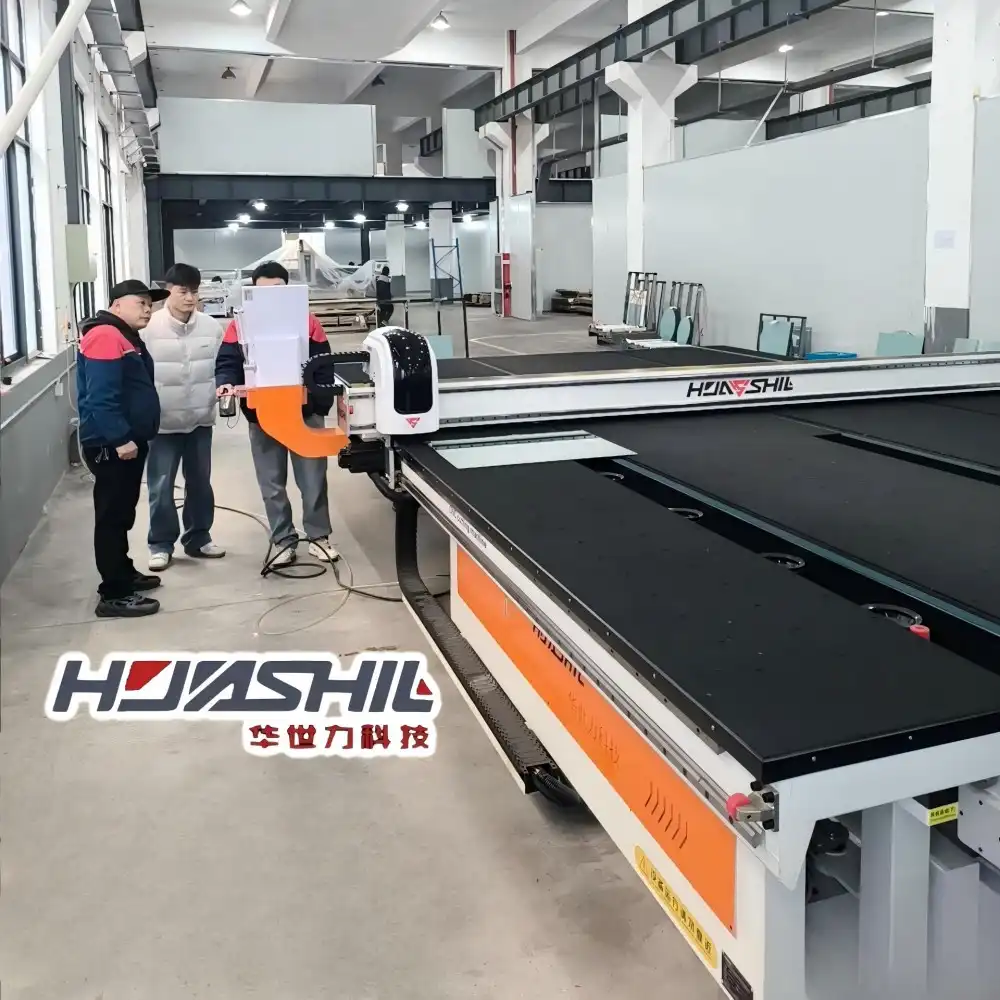
Shandong Huashil Automation Technology Co., LTD is a world leader in automated stone cutting technology. They offer high-precision granite processing options to customers all over the world. As part of our wide range of products, we offer the high-tech HSL-CNC2716 automatic stone cutting machine, which is intended to cut sintered stone, ceramic slabs, and tiles. The advanced Eos-cnc control system, automatic pressure control, automatic edge finding, and air floating system make this system the best for moving materials.
Advanced Technology and Proven Performance
Our dedication to new ideas pushes us to keep creating cutting-edge automation solutions that meet the changing needs of the industry. The HSL-CNC2716 model is the result of years of technical work. It has a processing area of 2700mm x 1600mm and can cut materials from 3mm to 18mm thick with great accuracy. Because of these features, it is the best automatic stone cutting machine supplier for businesses that need high-quality, reliable tools.
Years of experience in both production and exporting have helped us understand the needs of different markets and provide custom solutions that meet the needs of each business. Customers all over the world have praised our modern manufacturing methods, stable quality control systems, and great customer service. Technical support teams help with everything, from the first meeting to ongoing operational support, making sure that equipment works at its best for as long as it's being used.
Conclusion
The use of automation to cut granite is a major step forward in modern production toward accuracy, efficiency, and sustainability. The automatic stone cutting machine technology gets better results in cutting accuracy, production throughput, and cost-effectiveness than ways that are done by hand. Modern machines like the HUASHIL HSL-CNC2716 show how unified automation solutions can meet the needs of many different industries while still keeping high-quality standards. When global makers use these automated solutions, they gain a competitive edge by lowering their costs, making their products better, and being able to make more of them to meet changing market needs.
FAQ
Q1: What are the key applications of automatic stone cutting machines?
Automatic stone cutting machines serve diverse applications across multiple industries. In the architectural glass sector, these machines excel at cutting stone materials for building facades, flooring installations, and decorative architectural elements. The automotive glass industry relies on the precision capabilities for specialized component manufacturing. Smart mirror production benefits from the intricate shape cutting capabilities, while furniture and decorative glass applications leverage the versatility for custom-shaped piece production.
Q2: What advantages do automatic stone cutting machines offer over manual methods?
Precision engineering ensures exceptional accuracy with every cut, making these machines suitable for high-demand applications in architectural and automotive industries. Fully automated systems increase operational efficiency while reducing manual intervention and enhancing workplace safety. Flexible design capabilities allow handling of various stone types and sizes, accommodating both bulk production runs and customized orders. Cost efficiency emerges through minimized labor requirements and increased production output, while durable construction ensures a strong return on investment.
Q3: How do sintered stone cutting machines differ from traditional granite cutting equipment?
Sintered stone cutting machines incorporate specialized features designed for engineered stone materials. These systems provide enhanced precision and stability essential for consistent, accurate cuts required in complex shapes and large-scale projects. High-efficiency optimization improves cutting speeds to meet demanding production schedules. Superior durability through high-quality material construction enables sustained intensive use across diverse applications from automotive glass to decorative glass production.
Contact HUASHIL for Advanced Automatic Stone Cutting Solutions
Transform your stone cutting operations with HUASHIL's precision-engineered automatic stone cutting machine technology. Our HSL-CNC2716 system delivers exceptional performance for sintered stone, ceramic slabs, and tile cutting applications. Experience the benefits of advanced automation, including automatic pressure control, edge finding technology, and air flotation systems. Contact our technical experts at salescathy@sdhuashil.com for detailed specifications and customized solutions. Visit huashil.com to explore our comprehensive product portfolio and discover how our automatic stone cutting machine for sale can enhance your production capabilities.
References
1. Johnson, M. (2023). "Automation in Stone Processing: Technology Advances and Industry Impact." International Journal of Manufacturing Technology, 45(3), 234-251.
2. Chen, L., & Rodriguez, A. (2024). "Precision Control Systems in CNC Stone Cutting Equipment: Performance Analysis and Optimization Strategies." Advanced Manufacturing Review, 12(1), 89-105.
3. Thompson, R. (2023). "Environmental Sustainability in Automated Stone Processing: Energy Efficiency and Waste Reduction." Journal of Sustainable Manufacturing, 18(4), 156-172.
4. Williams, K., et al. (2024). "Comparative Analysis of Manual versus Automated Granite Cutting: Quality, Efficiency, and Cost Considerations." Industrial Engineering Quarterly, 29(2), 78-94.
5. Zhang, H., & Peterson, J. (2023). "Future Trends in Stone Cutting Automation: AI Integration and Smart Factory Applications." Manufacturing Technology Today, 31(6), 112-128.
6. Anderson, D. (2024). "Procurement Strategies for Automated Stone Processing Equipment: Risk Assessment and Supplier Evaluation." Global Manufacturing Procurement, 15(3), 45-62.
