




In today's glass manufacturing businesses, glass loading tables with adjustable height are very important. These specialised workstations make it easy to move material during the processing and manufacturing stages. They also take important safety and ergonomic issues into account. The adjustable height feature makes glass handling more efficient by accommodating different worker needs and glass sizes. These days, the manufacturing environment is tough. Engineers, B2B procurement managers, distributors, and OEM clients need to know how these tables are used in production so they can make smart buying decisions that keep their plants ahead of the competition and boost productivity.
Understanding Glass Loading Tables and Their Adjustable Height Feature
Adjustable height glass loading tables are specialised work areas that are designed to make it safe and easy to handle sheets of glass during a range of manufacturing processes. These strong systems are usually made of steel, and they have smooth surfaces that don't scratch the glass when people move it around. The most important feature of their height adjustment mechanisms is that they can be operated by hand or electrically, depending on the needs and budget of the production team.
Important Parts of Today's Glass Loading Systems
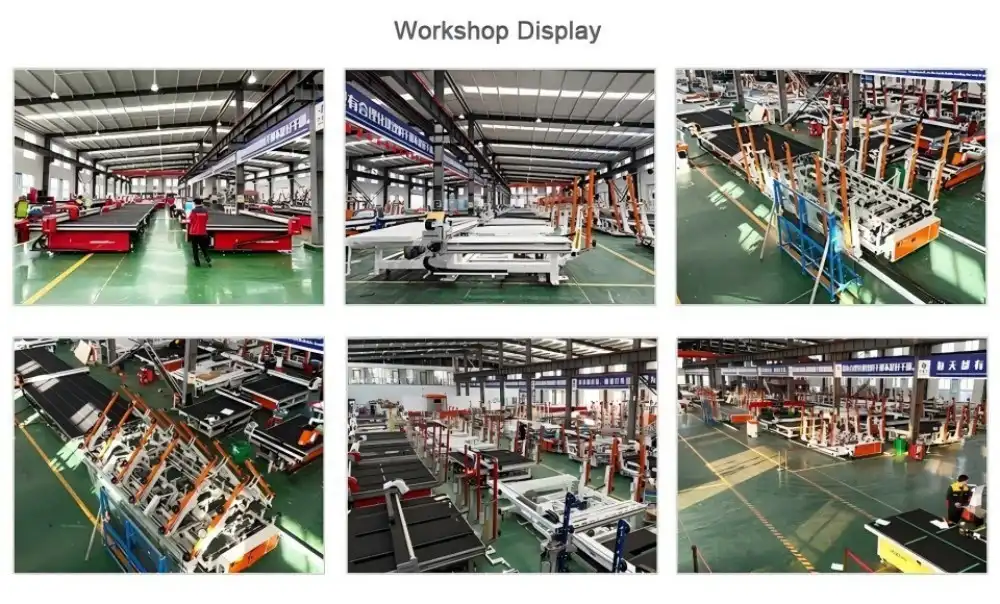
Modern glass handling systems have three important stations that work together to make sure that workflows are smooth. The loading station is the main place where cutting machines get glass materials. It puts sheets in the right place for processing. Behind this main station is the patching station, which is an important space for preparation. Here, operators can line things up, check the quality and get materials in order before the processing starts. The loading station works together with the glass workstation. The loading station's only job is to unload finished products and get them ready for the next steps in the manufacturing process or for packaging.
The height-adjustable feature helps with ergonomic issues by letting users line up the table with their best working position. This ability to change makes handling delicate glass easier on the body, lessens tiredness, and makes the process more exact. Advanced models include vacuum suction systems that keep glass sheets stable while they are being put in place. This adds extra safety, which is especially useful when working with big or heavy glass panels.
Technical Details and Things to Think About for the Design
Engineering specifications for systems with adjustable height vary a lot depending on how they will be used. The most common height adjustments range from 28 to 48 inches. This makes sure that people of different heights and with glasses of different sizes can use them. Electric adjusters can quickly change the height, but they are more expensive than manual systems that take longer to make changes and are used for smaller operations that don't need to adjust as often.
Enhancing Workflow Efficiency with Adjustable Height Glass Loading Tables
Putting in glass loading tables with adjustable height makes production more flexible so that different sizes and thicknesses of glass can be used without needing a bunch of workstations that can't be changed. This flexibility gets rid of the delays that are usually caused by moving materials between different processing stations, which makes the whole manufacturing process run more smoothly.
Productivity gains that can be measured
Manufacturing plants that use systems with adjustable height report big increases in productivity compared to older systems with fixed height. These improvements come from shorter setup times, fewer mistakes made while moving materials around, and better comfort for operators during long production runs. Being able to quickly change the height of the work being done makes it possible for facilities to work with different kinds of glass in just one production cycle. This helps the equipment be used more fully and cuts the time it takes to change from working with one type of glass to another.
It shows that production has gone up by 15–25% after implementing loading systems with adjustable height in architectural glass fabrication plants. These gains are due to no longer having to wait for materials to be moved, less physical strain on workers, and more accurate glass positioning operations. Also, the better ergonomics lead to fewer injuries at work, which means lower insurance costs and happier employees.
How to Use Automated Production Lines in Your Business?
In modern glass manufacturing, integrated automation systems are used more and more. Tables with adjustable height are an important way for people to do things and for machines to do things, and they help make the transition between the two. These systems work together with cutting machines, edge processing tools, and packaging lines to make sure that material flows smoothly through the whole production process. The ability to change the height makes sure that it is lined up correctly with different types of automated machines. This lowers the need for complicated conveyor systems and mechanical lifts.
Comparing Adjustable Height Glass Loading Tables with Other Solutions
When looking at ways to move and store glass, tables with adjustable height are better than tables with fixed height and other types of material handling systems. The comparison shows big differences in how flexible the operations are, how safe the machines are, and how cost-effective they are in the long run. These factors affect the decisions manufacturing facilities make when they buy things.
Systems with Fixed Height vs. Those with Adjustable Height
Workers have to change how they stand or sit at fixed-height tables so that they fit the working surface. This often leads to ergonomic strain and less precision when handling glass. Adjustable systems turn this relationship around, making it possible for each person and each type of glass to be in the best position. This basic difference affects short-term output and the cost of running the business over a longer period of time, which is seen through fewer injuries and more consistent quality.
Electric height adjustment mechanisms are great for places where a lot of things are made, such as glass loading tables, and the height needs to be changed often to make the workflow more efficient. These systems offer exact positioning, quick adjustment, and reliable repeatability that help with standardised operating procedures. Because they offer reliable performance at lower initial costs, manual adjustment systems are a good fit for smaller businesses or places that don't need to be adjusted often.
Comparing Safety Improvements
Integrated hoover suction systems keep glass in place during handling, which makes high-end tables with adjustable height different from basic ones. This feature is especially helpful when working with big glass panels for buildings or other heavy speciality glass items, since just handling them by hand can be unsafe. Anti-slip surfaces and emergency stop mechanisms make operators even safer, often more than the safety standards required by systems with fixed-height.
Maintenance, Safety, and Longevity of Adjustable Height Glass Loading Tables
Follow the right maintenance steps to make sure that glass loading systems with adjustable height keep working and last as long as possible. Some of these protocols are about planning routine upkeep, checking safety systems, and taking care of mechanical parts. These help the business run smoothly and avoid unplanned downtime.
Needs for Preventive Maintenance
Scheduled maintenance tasks include checking the hoover system's parts, making sure the safety features work, and adding grease to the mechanisms that change the height. Systems that use fluids or gases should not leak, electrical connections should stay tight, and emergency stop mechanisms should work. These things should be checked every month. These regular chores stop little problems from becoming big ones that take a long time to fix and could delay the schedule for making things.
Most of the time, you should follow the manufacturer's advice on when to replace parts. Some things, like hydraulic seals, electrical contacts, and Hoover cleaner cups, need to be replaced often, depending on how they are used, because they break down quickly. Keeping detailed service records makes it possible to do maintenance before problems happen. This helps keep the business running smoothly and lets you find the best time to replace parts.
Safety and Rules
Following the most recent instructions, the new glass loading tables with adjustable height are safe to use. Some of these are OSHA's ergonomic guidelines and rules for tools used to handle glass, which are special to the field. Motion detectors, pressure-sensitive edges, and multiple emergency stop systems can protect people and the machine in both normal and emergencies.
Regular safety checks make sure that the rules are still being followed and help find new ways to make things safer. Keeping records of safety inspections and training programmes shows that you care about keeping people safe at work. This is good for employees, and it helps you stay within the law.
Procurement Guide: Selecting the Right Adjustable Height Glass Loading Table for Your Business
When making strategic procurement decisions, you need to carefully consider the technical details, what the suppliers are capable of, and the total cost of ownership in a way that fits with the needs of the business and its operations. This test finds out if buying glass handling equipment is a good investment in the long run.
Standards for Technical Evaluation
Capacity requirements are the most important thing to consider when deciding if equipment is suitable for a certain job. Safety margins that take into account the heaviest glass panels being worked on and possible overloading situations must be kept in mind when thinking about weight capacity. With dimension flexibility, the tables can be used for all of the different sizes of glass that are worked on in the building, from small decorative pieces to big sheets for architecture.
The full range of operator heights and glass thicknesses that are used in normal operations should be covered by the height adjustment ranges. The speed of adjustment affects how much work gets done, especially in operations where height changes have to be made often during production cycles. The level of precision needed changes with the standards for glass quality and the equipment used in downstream processing.
Things to Think About When Choosing a Supplier
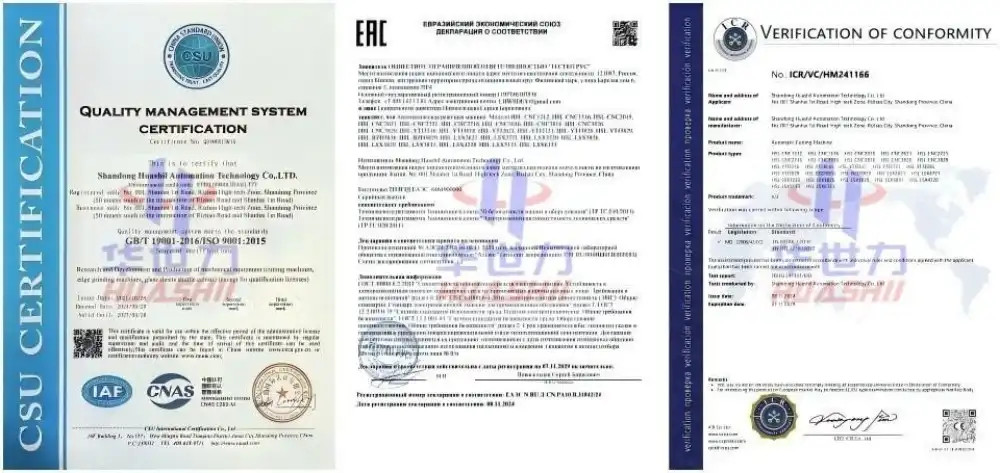
The quality of a supplier includes the manufacturing quality, delivery performance, and after-sales support capabilities glass loading table that make sure the equipment works with the business and continues to operate successfully. During installation, training for operators, and troubleshooting situations that need expert help, the availability of technical support becomes very important.
The cost of maintenance and the ability to keep things running depend directly on the delivery times and availability of spare parts. Suppliers with a lot of different parts on hand and the ability to deliver quickly can help keep production from being interrupted during equipment servicing or unplanned repairs. Warranty terms and service agreements make it clear what the supplier is responsible for, giving you extra protection against unexpected problems.
Conclusion
Adjustable height glass loading tables are important for modern glass fabrication facilities that want to boost productivity, improve safety, and keep their edges over competitors in tough market conditions. These specialised systems deal with important ergonomic issues and also make it easier for the business to work with different types of glass and production needs. Adding loading stations, patching stations, and workstations that can be used for different tasks creates a complete system for moving materials that makes the workflow smoother from the very beginning of glass preparation to the last processing steps. If you make smart purchasing decisions based on technical requirements, what the supplier is able to do, and the total cost of ownership, you can be sure that the project goes as planned and that you see returns in the form of better efficiency, fewer injuries, and higher product quality.
FAQ
Q1: How does height-changing make work safer?
A: The height feature lets people set work surfaces to the most ergonomic height. This makes the body work less and reduces muscle and bone injuries. This feature adjusts height to avoid awkward angles in systems that can't change height. Working with glass becomes easier and more accurate.
Q2: Can adjustable-height glass loading tables hold larger glass panels?
A: Many manufacturers offer customisable settings for large architectural glass projects. Extended areas and weight limits are on these systems. They also have vacuum systems that can safely handle structural glazing and curtain wall panels.
Q3: How can you ensure the height-changing mechanism works properly?
A: Monthly, grease the moving parts, check the hydraulic or pneumatic systems for leaks, and check the electrical connections. If you replace parts as recommended by the manufacturer, the equipment will last as long as expected.
Contact HUASHIL for Your Glass Loading Table Solutions
Are you ready to change the way you make glass with high-quality loading systems that can be set to different heights? The skilled engineers at HUASHIL offer full consultation, tailored solutions, and great prices for glass loading table suppliers' needs. We have a lot of experience helping architectural glass fabrication plants, curtain wall manufacturers, and furniture makers, so we know how to pick the best equipment for your needs. Enjoy the benefits of HUASHIL through great product quality, dependable performance, and outstanding customer service. For more information on how to get the most out of your production and to get help tailored to your needs, email us at salescathy@sdhuashil.com.
References
1. Johnson, M. R. "Ergonomic Considerations in Glass Manufacturing Equipment Design." Industrial Safety and Health Management Quarterly, Vol. 45, No. 3, 2023.
2. Chen, L. "Automation Technologies in Architectural Glass Fabrication: A Comprehensive Analysis." Glass Processing and Manufacturing Review, Vol. 28, No. 7, 2023.
3. Williams, K. A. "Material Handling Efficiency in Modern Glass Production Facilities." Manufacturing Engineering and Technology Journal, Vol. 52, No. 12, 2022.
4. Rodriguez, P. "Safety Standards and Compliance in Glass Handling Equipment." Occupational Health and Safety in Manufacturing, Vol. 19, No. 4, 2023.
5. Thompson, D. J. "Economic Analysis of Adjustable Height Work Systems in Industrial Applications." Production Management and Cost Analysis, Vol. 34, No. 8, 2022.
6. Anderson, S. "Technical Specifications and Performance Criteria for Glass Loading Equipment." Equipment Engineering and Design Standards, Vol. 41, No. 6, 2023.
