




When looking at a glass cutting assembly line, it's important to know about success metrics so you can make smart buying choices. These mechanical systems take big sheets of glass and cut them into exact shapes and sizes. They are used in many fields, from building glazing to making cars. Performance measures include things like throughput rates, accuracy levels, energy use, and safety compliance. These are all linked factors that affect how well an operation runs. Modern glass cutting assembly lines, like the HSL-LSX3829 type, show how better engineering can lead to real gains in efficiency. When manufacturers understand these performance markers, they can match the capabilities of their tools with their production goals. This helps them get the best return on their investment while also meeting high quality standards in a wide range of situations.
Understanding Glass Cutting Assembly Line Performance Metrics
To properly evaluate glass processing tools, you need to know all of the key performance factors that have a direct effect on the results of production. These measures can be used to compare different systems and figure out which setup works best for a given manufacturing need.
Throughput Rates and Production Speed
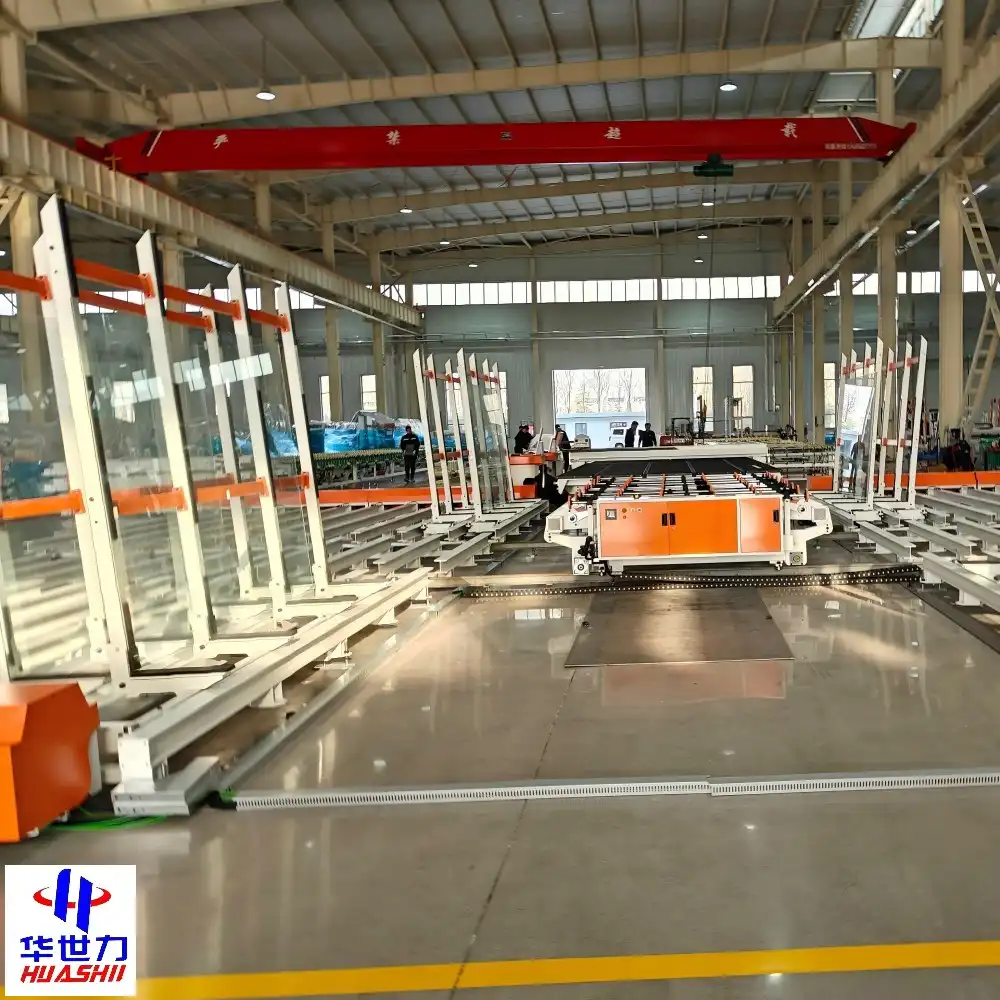
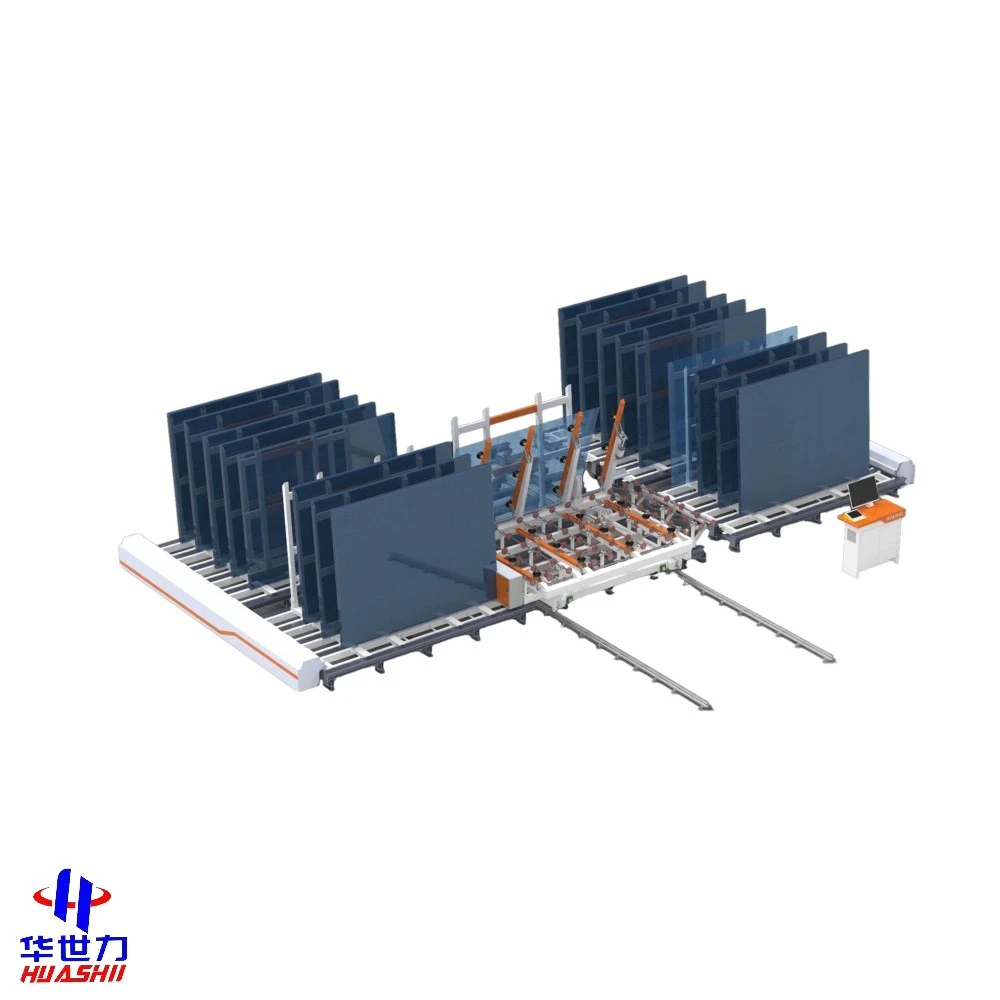
Throughput is the amount of glass that is handled in a certain amount of time. It is usually given in square meters per hour or pieces per shift. Compared to manual processes, modern automated systems can handle a lot more work. Depending on the size and complexity of the glass, some setups can handle up to 300 pieces per hour. The HSL-LSX3829 model has three tables: a loading table, a cutting table, and a breaking table. This allows for ongoing work and makes handling as efficient as possible.
Production speed includes more than just how fast something is cut. It also includes how quickly and accurately materials are moved and how long it takes to switch between processes. Optimization software like Optima is used by more advanced systems to figure out the best cutting patterns, which cut down on waste and make the best use of materials. When compared to systems that don't have clever optimization powers, this software integration can make the tools work 15-20% better overall.
Precision and Edge Quality Standards
The accuracy of the cut has a direct effect on the quality of the result and the need for further preparation. Standard tolerances in the industry usually fall between ±0.1mm and ±0.5mm, but this can change based on the needs of the product. Tolerances must be very close when making glass for cars, but they can be a little wider when used in architecture. Metrics for edge quality include departure from straightness, surface roughness, and the creation of microcracks along cut lines.
Precision is achieved by modern glass cutting systems through a number of means, such as mechanical steadiness, the quality of the cutting tools, and weather control. In advanced systems, the largest glass size that can be used is 3,660 x 2,800 mm. This shows the level of technical precision that is needed to keep accuracy over big areas. Laser measurement technology is often used in quality measurement tools to check the accuracy of measurements in real time while they are being made.
Automation, Sophistication, and Control Systems
Different glass cutting assembly line setups have very different levels of automation, from semi-automated systems that require human loading to fully automated production lines that use robots to do all the work. The level of complexity has a direct effect on the number of workers needed, the uniformity of production, and the operating freedom. Programmable logic controllers (PLCs) are used in more advanced systems to manage many parts, such as those that move materials, cut them, and check the quality.
In addition to basic cutting tasks, the control system can also perform preventative maintenance, keep track of energy use, and analyze output data. These connected systems give plant managers a full picture of how operations are going, so they can make choices based on facts that make the equipment work better overall.
Identifying and Overcoming Performance Bottlenecks in Glass Cutting Assembly Lines
There are limits on the total system output and efficiency that are shown by production bottlenecks. To find these flaws, you have to carefully look at every part of the process, from adding the materials to packaging the finished goods. By knowing what makes a bottleneck work the way it does, you can make focused changes that lead to measured speed gains.
Common Bottleneck Sources and Detection Methods
In semi-automated systems, the most common bottlenecks are caused by having to move things around by hand. Human workers can't keep up with the steady speed of automated cutting systems, which slows down the lines and makes the system less useful overall. The 2+2 station layout with flexible above or underground-train systems gets around this problem by giving people more than one place to load and unload, which evens out the flow of work.
Detection methods use monitoring systems that work in real time and keep track of the turn times for each action. Collecting data shows trends that point out process limitations, like long setup times, delays in moving materials, or backlogs in quality inspections. When speed measures deviate from established benchmarks, advanced tracking systems send out alerts. This lets people take action before bottlenecks affect production schedules.
Quality-related problems happen when the accuracy of the dimensions or the quality of the edges doesn't meet the requirements, which means that processing materials have to be redone or thrown away. Most of the time, these problems are caused by worn-out cutting tools, misaligned machines, or poor process control. Regular calibration plans and automatic quality tracking help stop problems with quality that can affect the whole production process.
Practical Strategies for Bottleneck Resolution
Making improvements to automation is the best way to get rid of problems caused by people. By switching from human loading to automatic systems with robotic handling, cycle times become more stable, and worker safety is improved. Each side of modern systems has three arms, which allows for multiple processing that makes it much easier to move materials.
Standardizing the process by using the best cutting patterns and set working methods cuts down on setup variations and makes sure that all operators and shifts perform at the same level. When predictive analytics are used to plan maintenance, unexpected equipment breakdowns that cause sudden jams are avoided. Regularly replacing tools keeps the quality of the cuts high and stops the slow loss of performance that happens over time.
Workforce training programs make sure that users know how to use the system's features and make the most of them. Technicians who are skilled can change the process settings to work with different types and sizes of glass, keeping the best performance even when production needs change. Cross-training programs make operations more flexible and avoid single-point-of-failure scenarios when important employees aren't available.
Automation and Technology Advances Impacting Performance Metrics
As technology keeps improving, glassmaking jobs are changing from being done by hand to being done by precision-controlled industrial systems. These innovations lead to measurable gains in output, stability of quality, and operating efficiency, all of which have a direct effect on overall performance.
Integration of Smart Manufacturing Technologies
Using artificial intelligence in quality checking systems makes it possible to find flaws in real time more accurately than a person could. An algorithm that uses machine learning to look at cutting trends and find ways to improve output while reducing waste. These systems keep learning from production data, and as they gain working experience, they get better over time.
Connectivity to the Internet of Things (IoT) lets you keep an eye on everything from energy use to device function to environmental conditions. Connected monitors keep track of changes in temperature, vibration levels, and power use trends that show when repair might be needed before equipment breaks down. This ability to predict the future cuts down on unplanned downtime and, through condition-based schedules, lowers the cost of upkeep.
Integration of an enterprise resource planning (ERP) system links the glass cutting assembly line to larger production routines, inventory management, and the fulfillment of customer orders. This connectivity lets you set production schedules based on demand, which makes the best use of materials and keeps delivery promises. Planning systems get real-time info on production, which helps them make accurate predictions about capacity and supply times.
Performance Improvements Through Advanced Automation
Automated systems offer steady cutting speeds that get rid of the inconsistency that comes from human error while keeping accuracy over long production runs. When tasks are switched from being done by hand to being fully computerized, throughput often goes up by 40 to 60 percent. These benefits come from eliminating operator tiredness, cutting down on setup times, and improving the flow patterns of materials.
Using intelligent power control tools to make power use more efficient lowers costs and helps reach sustainability goals. Modern cutting systems change how much power they use based on the material being cut and how complicated the cut is. This cuts down on energy waste during quiet times and finds the best cutting settings for the least amount of power use. Compared to traditional systems, variable frequency drives and servo motors help make systems 20–30% more energy efficient overall.
Using self-diagnostic features, automatic tool changing, and remote tracking to cut down on downtime makes equipment work much better overall. Predictive maintenance systems plan repair tasks to happen during planned breaks in production. This keeps equipment in the best possible shape while reducing disruptions to production schedules.
Choosing the Right Glass Cutting Assembly Line Based on Performance Needs
To choose the right glass-making equipment, you need to carefully look at your current production needs, your predictions for future growth, and the total cost of the equipment. When making a choice, people have to think about both short-term practical needs and long-term strategic goals. They also have to think about spending limits and expected returns on investments.
Production Volume and Capacity Planning
The expected amount of output determines the basic size of the equipment, which impacts both the original investment and the efficiency of operations. Flexible human or semi-automated systems that can adapt to different product needs may be helpful for low-volume activities. In high-volume production settings, fully automatic systems with setups that work best for certain types of products are usually a good idea.
When planning capacity, it's important to think about times of high demand, changes in demand due to the seasons, and expected growth in customer needs. Systems that can be expanded in modules make it possible to adapt to changing production needs without having to buy all new equipment. The HSL-LSX3829 setup shows how scalable design ideas can be used to change the capacity by adding more stops or better automation parts.
The complexity of the production mix affects the choice of equipment because glass cutting assembly line systems designed for simple rectangular cuts are very different from those designed for complicated shapes and specialty uses. When used in architectural glass, custom sizes are often needed, but when used in car glass, accuracy and repeatability for standard parts are more important.
Precision Requirements and Application-Specific Considerations
Because of safety rules and fit tolerances in car parts, making automotive glass requires the highest levels of accuracy. For these uses, tolerances must usually be within ±0.1mm, and quality control methods must be verified. Cutting systems used in the car industry use advanced measurement systems and statistical process control to make sure that strict requirements are always met.
According to the building's purpose, architectural glass uses a wider range of tolerance standards. For proper fit and weatherproofing, curtain wall systems need exact control over dimensions. However, for ornamental purposes, larger tolerances may be acceptable. For choosing equipment, you need to think about how precise it can be while also keeping costs in mind. This should be based on the needs of the application, not on the possible maximum accuracy.
Specialty glass processes for smart screens, display apps, and making furniture often need special ways to handle and cut the glass. In these cases, the applications may list specific cutting angles, surface finish standards, or edge quality requirements that affect how the equipment is set up.
Supplier Evaluation and Total Cost Considerations
Total cost of ownership over the life of an item is affected by warranty coverage and after-sales help in a big way. Comprehensive guarantee programs that cover parts availability, technical support, and repair services lower operating risks and make costs more predictable. Response times, professional knowledge, and a world-class help infrastructure should all be taken into account when judging a supplier's service skills.
The ongoing costs of operations and the availability of tools are affected by the maintenance support system. Maintenance operations run more smoothly when suppliers offer local service, extra parts that are easy to find, and thorough training programs. Online technical support and remote diagnostics cut down on service costs and speed up reaction times for fixing and optimization help.
The total cost of ownership study needs to look at the initial investment in equipment, the costs of installation and training, the costs of upkeep, and the amount of energy used over the expected lifetime of the equipment. In-depth cost analyses should include hidden costs like lost output during the learning curve, interruptions to production during installation, and ongoing software licensing fees.
Enhancing Glass Cutting Assembly Line Efficiency and Safety
For operational success to happen, both safety standards and ways to increase output must always be taken into account. These two goals work hand-in-hand because safe operations are usually more efficient, and optimal processes lower the risk of accidents by making them easier to control and predict.
Efficiency Improvement Strategies
When applied to glass cutting, lean production concepts get rid of waste in moving materials, setting up, and checking for quality. Standardized work directions make sure that the same tasks are done by all workers and shifts, and they also show where improvements can be made all the time. Value stream mapping shows tasks that don't add value and can be gotten rid of or improved to make the whole process more efficient.
Strategies for saving energy include both optimizing tools and taking care of buildings. Cutting systems with variable speed drives change the motor speeds based on what needs to be cut. This saves energy when only light work is being done. Scheduling production runs to minimize setting changes and maximize cutting patterns lowers the amount of energy used generally and raises the rate at which materials are used.
Monitoring the state of glass cutting assembly line equipment and planning proactive maintenance stops unplanned breakdowns and lowers the cost of maintenance. Performance markers like cutting force, sound levels, and power consumption are tracked by predictive maintenance systems to find problems before they affect production. Regular tuning plans keep the accuracy of the cuts while stopping the system from gradually losing its usefulness.
Safety Compliance and Risk Management
Industry safety standards, such as OSHA rules and foreign safety licenses, set the base standards for how equipment should be designed and how it should be used. Following these rules keeps workers safe and lowers the risk of responsibility and possible fines from the government. When picking out equipment, you should put approved safety systems and recorded compliance with industry standards at the top of your list.
Protective technology like safety guards, emergency stop systems, and automatic safety interlocks keeps operators from being exposed to dangerous situations. Light shades and pressure-sensitive mats add extra layers of safety while keeping operations running smoothly. Safety system design must balance protection effectiveness with practical ease to prevent circumvention or dangerous workaround practices.
Comprehensive training programs make sure that workers know how to do both normal operations and what to do in an emergency. Safety training that is done on a regular basis keeps people aware of the risks and includes lessons learned from accidents and best practices in the business. Documentation of training completion helps organizations meet legal requirements and shows they care about safety at work.
Conclusion
By understanding the performance measures of a glass cutting assembly line, you can make smart decisions that match the equipment's skills with operational goals. Production efficiency and product quality are closely linked to key factors such as throughput rates, precision levels, and the level of complexity of technology. Modern systems like the HSL-LSX3829 show how advanced engineering can turn performance measures into real gains in production by using smart control systems and better workflow design. To choose the right tools, you need to carefully consider your production needs, the total cost, and the supplier's skills. Companies that put both improving efficiency and following safety rules at the top of their list of priorities gain a long-term competitive edge through dependable, high-performance glass-making operations.
FAQ
Q1: What are the most important success measures for making autoglass?
When it comes to automotive uses, the tightest tolerances—usually within ±0.1mm—are needed. Some important measures are accurate measurements, consistent edge quality, and the ability to track output. Cutting speed and throughput rates need to be a mix between quality and efficiency, and safety compliance makes sure that standards for the car industry are met.
Q2: How does automation technology impact energy consumption in glass cutting operations?
When compared to older technology, modern automatic systems use 20–30% less energy because they have variable frequency drives and smart power management. Optimization software cuts down on the time it takes to make things and the amount of waste that is produced. Predictive maintenance stops machines from running in ways that waste energy. IoT monitoring lets you watch energy use in real time and find ways to save it.
Q3: What key factors should procurement managers consider when comparing glass cutting equipment suppliers?
Important things to look at when judging a product are its guarantee coverage, its ability to provide after-sales help, its supply of spare parts, and its technical know-how. Total cost of ownership is affected by a supplier's financial security, installation assistance, operator training programs, and compliance certifications. The level of ongoing operational help is affected by the local service infrastructure and the ability to do diagnostics from a distance.
Q4: How do you measure return on investment for glass cutting assembly line upgrades?
The return on investment (ROI) formula takes into account benefits like higher output, lower labor costs, less waste, and better quality. Some measurable measures are higher throughput, lower defect rates, lower energy use, and lower upkeep costs. Payback times are usually between 18 and 36 months, but they rely on how much machinery is used and how much output needs to be done.
Q5: What safety standards apply to glass cutting assembly line operations?
OSHA safety rules for the workplace, international machinery safety standards (ISO 12100), and industry-specific rules are all applicable standards. Safety guards, emergency stop systems, and user security devices must be built into all equipment. Regular safety training, risk assessments, and ways to report incidents make sure that rules are always followed and risks are managed.
Contact HUASHIL for Advanced Glass Cutting Solutions
HUASHIL's cutting-edge automation technology and tried-and-true success measures can help you change the way you process glass. Our HSL-LSX3829 glass cutting assembly line gives manufacturers looking for a competitive edge unmatched accuracy, throughput optimization, and operating dependability. As a reliable company that makes glass cutting assembly lines, we offer a wide range of services to help our customers, such as expert advice, installation, and regular maintenance programs. Email our knowledgeable staff at salescathy@sdhuashil.com to talk about your unique needs and find out how our high-tech glass cutting assembly line for sale can help you make more.
References
1. Glass Manufacturing Industry Association. "Performance Standards for Automated Glass Processing Equipment." Industrial Glass Technology Journal, 2023.
2. International Society of Glass Technology. "Precision Cutting Techniques in Modern Glass Manufacturing." Advanced Materials Processing Research, 2023.
3. American Society of Mechanical Engineers. "Safety Standards for Glass Processing Automation Systems." Manufacturing Safety Guidelines, 2022.
4. European Glass Machinery Federation. "Energy Efficiency in Glass Cutting Operations: Best Practices and Performance Metrics." Sustainable Manufacturing Review, 2023.
5. Institute of Industrial Engineers. "Lean Manufacturing Applications in Glass Processing Operations." Production Optimization Studies, 2022.
6. International Organization for Standardization. "Quality Management Systems for Glass Manufacturing Equipment." ISO Standards Documentation, 2023.
