




Accuracy in glass bilateral edging machine handling is one of the most important parts of making great glass today. Processing accuracy in bilateral edging includes standards for edge accuracy, consistent measurement error, and surface smoothness that directly affect the quality of the finished product. With their advanced grinding wheel systems and servo-controlled mechanisms, these machines are very precise, making sure that every glass panel meets the strict standards set by the industry. Because it can process both edges at the same time and keep the same level of accuracy across different glass thicknesses, bilateral edging technology is essential for building, automotive, and artistic glass makers who want to get the most out of their production and make the best edges.
Understanding Glass Bilateral Edging Machine Processing Accuracy
Processing accuracy in glass bilateral edging is a key quality factor that decides how well current glass production processes perform. This basic idea includes a lot of precise measurements that have a direct effect on both the look and the strength of the final glass goods.
Defining Core Accuracy Dimensions
For normal building uses, edge precision accuracy is usually within ±0.1mm tolerances. However, even tighter standards are needed for specialized car glass. Ra values are used to measure how smooth a surface is, and for high-end uses, surface roughness levels below 0.8 micrometers are required. Dimensional limits include how straight the edges are, how aligned the edges of two adjacent panels are, and how consistent the angles are along the whole length of the glass panel.
When you compare yield rates across different production plants, you can see that there is a link between handling accuracy and manufacturing efficiency. High-precision bilateral edging processes regularly get first-pass quality rates of 98% or higher, which cuts down on material waste and repair costs by a large amount. These standards for accuracy have a direct effect on processes that come after, like laminating, hardening, and fitting, where the accuracy of the dimensions affects how well the structure works and how well the parts fit together.
Industry Standards and Quality Benchmarks
Modern guidelines for processing glass set precise accuracy requirements based on the type of use. For architectural curtain wall systems, edge measurements need to be within ±0.2mm, while for car windshields, they need to be closer to ±0.05mm. The requirements for current building and car design are getting more complicated, and these standards represent that.
As part of quality control methods for a cheap glass double side grinding machine, complete measurement systems are used to check the shape of the edges, the quality of the surface finish, and the regularity of the sizes. Modern machines for bilateral edging have real-time tracking features that check the quality of the processes all the time during production cycles. These automatic quality control systems let you make changes right away to parameters so that accuracy levels stay the same, even if the glass type changes or production runs last longer than expected.
Critical Technical Features Affecting Accuracy
Modern machines for bilateral cutting are made up of many carefully designed systems that work together to determine how accurate the machines can be when they are working. By understanding these technical parts, you can choose tools that meet the needs of your exact production.
Advanced Grinding Wheel Configuration
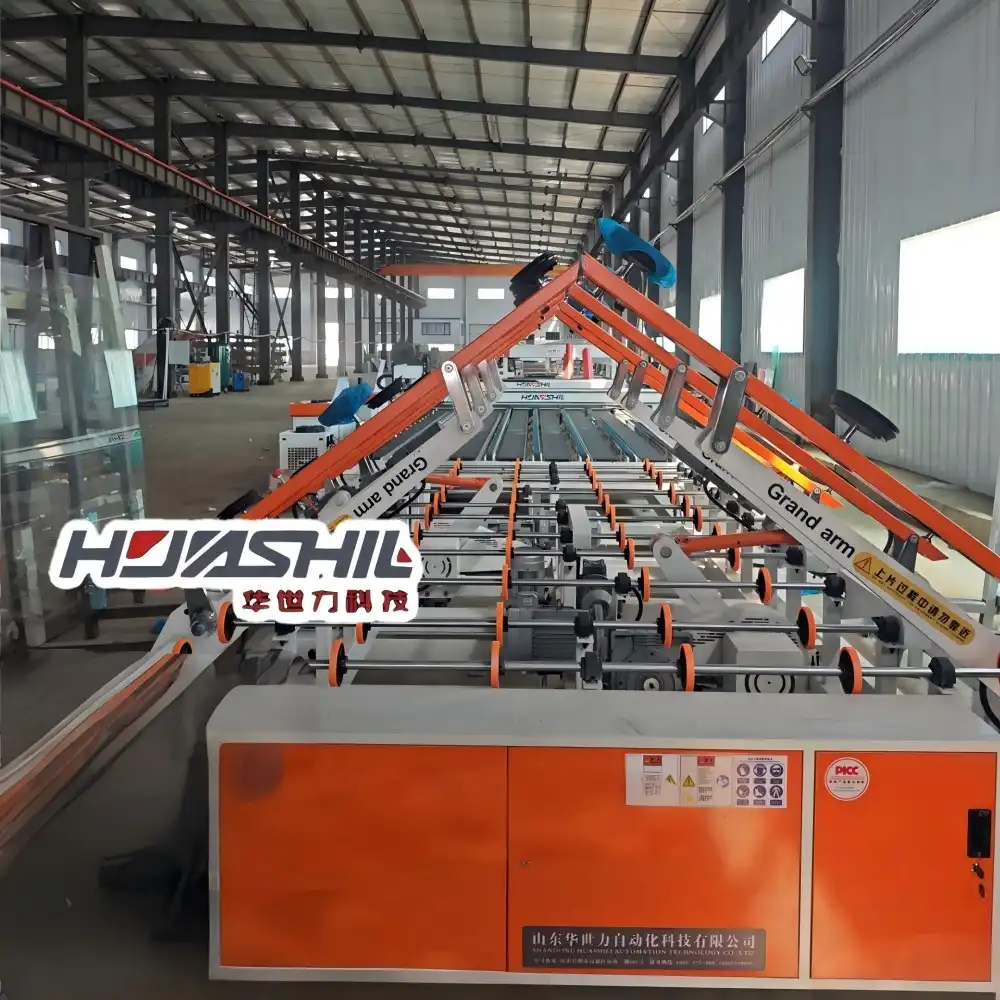
Modern methods for symmetrical edging use complex combinations of grinding wheels that make them more efficient and accurate. Our advanced setup has 12 grinding wheels, 2 upper chamfers, 2 lower chamfers, and 8 flat grinding wheels carefully placed on each working side. This all-around wheel setup makes sure that all edges are processed while keeping the surface quality the same for all sizes of glass.
The design of the grinding wheels makes it possible to work on complex edge shapes at the same time and with great accuracy. Each wheel works at speeds and pressures that are carefully controlled and are changed automatically based on the thickness of the glass and the qualities of the material. This combined operation gets rid of the differences in dimensions that come with sequential processing, which makes the edges more regular and cuts down on processing time.
Servo Motor Automation Technology
Precision servo motor control systems are the technology that makes current, accurate bilateral cutting possible. These high-tech motors give exact control over moving parts and automatic opening and shutting functions, which keep the glass in the same place throughout the processing cycle. The servo-controlled moving system keeps the rate of glass progress steady while adjusting for changes in thickness and keeping the right grinding wheel contact pressure.
Automatic opening and closing systems can handle glass thicknesses ranging from 0.35 meters at the thinnest to 2.5 meters at the thickest, making them very flexible for a wide range of production needs. The servo motor's accuracy lets you change the thickness quickly without affecting the location accuracy, which makes it easy to switch between different thicknesses and make production runs with a mix of thicknesses.
Bilateral Processing Advantages
Through synchronized dual-edge processing, bilateral edging technology is more accurate than standard solo ways. This method gets rid of the positional mistakes and handling differences that come with sequential edge processing. This makes the edges perfectly parallel and the relationships between dimensions uniform. The coordinated processing action makes sure that the surfaces on opposite sides have the same finish and that the angles stay the same.
The ability to process multiple items at once lowers the changes in temperature stress that can affect the size of glass during long processing cycles. By working on both sides at the same time, bilateral machines reduce the amount of work that needs to be done by hand and get rid of the placement mistakes that come with having more than one machine setup. This technological advantage is especially useful when working with big building pieces, where accurate measurements directly affect how well they fit together during installation.
Optimizing Machine Settings for Maximum Processing Accuracy
To get the most accurate processing, you need to take a planned approach to optimizing machine parameters that takes into account the features of the glass, the needs of the output, and quality standards. With these calibration methods, producers can get the most out of both accuracy and efficiency in a wide range of glass processing tasks.
Glass-Specific Parameter Adjustments
To get the best edge sharpness and dimensional accuracy, different types of glass need different processing settings. To keep stress from building up and breaking tempered glass, grinding forces must be lowered, and wheel speeds must be changed. Low-iron architectural glass works best with certain types of cutting wheels and fluids that keep the glass clear and give it a better finish on the outside.
In a glass bilateral edging machine, when the thickness changes, the moving speeds and grinding wheel engagement forces need to be changed to match. Automated parameter change systems make it possible to switch between different glass standards without having to do anything by hand. With these adaptive control features, accuracy stays the same across different production runs, and setup time and user input are kept to a minimum.
Speed-Quality Balance Optimization
To improve production efficiency, you need to carefully balance the speed of working with the quality of the edges. Higher moving speeds increase output, but they may hurt the quality of the surface finish or the accuracy of the measurements. Modern machines for both sides of a glass panel have varying speed controls that make the best use of processing times based on the glass's specs and the level of accuracy needed.
Processing speed and accuracy are related in expected ways that make it possible to use data to make improvement decisions. Statistical process control methods help find the best speed settings for keeping quality standards while increasing output. Most of the time, these optimization methods boost output by 15 to 20 percent without lowering standards for accuracy.
Preventive Maintenance for Sustained Accuracy
Processing precision is kept up during long production efforts by using regular calibration methods. Monitoring methods for grinding wheels let you know early on when accuracy is dropping, so you can change the wheels before they cause problems with quality. Using precise reference standards, automated calibration processes check the accuracy of the dimensions. This makes sure that the machine works the same way during all production shifts.
Maintenance of the lubrication system is very important for keeping servo motors and mechanical parts accurate. Managing cutting fluid correctly keeps the grinding conditions at their best and stops pollution that could hurt the quality of the surface. When compared to reactive maintenance methods, these maintenance routines usually add 30 to 40 percent more life to equipment.
Choosing the Right Bilateral Edging Machine for Your Business Needs
To choose the right tools for bilateral edging, you need to look at its technical skills, output needs, and long-term business goals. This methodical approach makes sure that the best choices are made about what equipment to buy, which helps with both current output needs and plans for future growth.
Essential Procurement Criteria
The most precise needs in your production range must be met by the machine's precision skills you have. When making architectural glass, edge tolerances of ±0.1mm or better are usually needed. For furniture glass, however, slightly less strict standards may be acceptable. Processing speeds should be fast enough to meet peak output needs while still meeting quality standards.
The ability to customize means that tools can be changed to fit specific production needs and glass uses. Modern tools for cutting on both sides can be easily customized with different types of grinding wheels, automatic handling systems, and quality control features built right in. These tailoring options make sure that the equipment works well in a wide range of situations.
Production Scale Matching
When choosing equipment, it's important to think about how much will be made and how it will be used. Fully automatic bilateral edging lines with built-in material handling and quality control systems are helpful for building glass shops that work with a lot of glass. Smaller companies that make furniture from glass may be able to cut costs by using semi-automated systems that offer precise two-sided cutting with less automation complexity.
As a business grows and uses more power, energy efficiency becomes more important because it affects the overall cost of running the business. When compared to older machines, modern bidirectional cutting machines use 20–25% less power because they have motor technologies and grinding processes that are more efficient.
Technology Integration Capabilities
Modern tools for cutting glass on both sides work perfectly with full glass processing lines and systems for industrial execution. Real-time monitoring of output gives specific process data that helps with plans for preventative maintenance and ongoing growth. With these integration features, production schedules can be improved, and quality paperwork can be done automatically.
Communication protocols make sure that new systems can work with current workplace automation systems and allow tracking from afar. Standard industrial transmission standards make it easier for modern tools to work with corporate resource planning systems and automated material handling equipment.
Troubleshooting Accuracy Issues and Ensuring Safety
Maintaining regular working accuracy requires a methodical way of finding and fixing problems. Understanding common accuracy problems and what causes them lets you quickly figure out what's wrong and fix it in a way that doesn't stop production.
Common Accuracy Problems and Solutions
Edge measurement differences are often caused by worn grinding wheels, wrong machine settings, or differences in the glass material. Systematic troubleshooting steps help find the root causes of problems and put focused answers in place. Wear patterns on grinding wheels can help you figure out how to balance the machine, distribute pressure, and find ways to make the working parameters work better.
Surface finish differences usually mean that the grinding wheel is dirty, the cutting fluid isn't flowing well, or the wrong wheel was used for the type of glass. Using standard testing methods to check the surface quality regularly lets you find problems early on, before they affect the quality of the production.
Calibration and Maintenance Protocols
Full testing processes for a cheap glass double side grinding machine check the accuracy of the dimensions, the quality of the surface finish, and the safety systems that are in use. These practices include using approved reference standards to measure the exact sizes of edges and writing down the results for quality control reasons. Regular testing plans make sure that the quality of the equipment stays the same over its lifetime.
Preventive maintenance plans take into account things like how often to repair parts, how much greasing is needed, and mechanical wear. When compared to reactive maintenance strategies, these planned methods usually cut down on production problems caused by errors by 60 to 70%. Keeping detailed records of maintenance helps with planned upkeep and meeting the standards of warranties.
Safety System Integration
Modern tools for symmetrical edging have a lot of safety features that keep workers safe while keeping the accuracy of the work. Emergency stop devices stop the machine right away while keeping the glass in place to avoid damage or safety risks. Safety interlocks stop machines from running while they are being serviced and make sure that the right safety gear is used.
Automated safety tracking systems constantly check working factors and notify operators right away if safety issues arise. These proactive safety steps help keep the highest safety standards in the workplace while also ensuring regular production quality. Regular checks of safety systems make sure that people are still safe and that they are following the rules.
Conclusion
Accuracy in glass bilateral edging machine handling is the key to making great glass products today. It has a direct effect on product quality, production efficiency, and customer happiness. Modern bilateral edging systems have advanced technical features, such as precise servo motor controls and advanced grinding wheel designs, that allow makers to achieve very high accuracy standards in a wide range of glass processing tasks. When buying, teams know how machine capabilities, working factors, and accuracy results are related, they can make smart choices about what equipment to buy that meets both short-term output needs and long-term business goals.
FAQ
Q1: What defines processing accuracy in glass bilateral edging machines?
Tolerances for edge precision, surface smoothness standards, and measures of physical consistency are all parts of processing accuracy. For high-end uses, modern tools for symmetrical edging can usually keep surface roughness levels below 0.8 micrometers and edge errors within ±0.1mm.
Q2: How do bilateral edging machines achieve superior accuracy compared to unilateral systems?
Bilateral machines work on both sides of the glass at the same time, so there are no positional mistakes or handling differences that come with processing in a certain order. This coordinated method makes sure that all edges are perfectly aligned and that the relationships between dimensions are always the same, while also lowering changes in temperature stress.
Q3: What machine features most significantly impact processing accuracy?
The most important features that determine accuracy are servo motor control systems, accurate grinding wheel setups, and the ability to automatically change parameters. These technologies make it possible to place the glass consistently, grind it in the best way, and adjust in real time for changes in the material.
Partner with HUASHIL for Superior Glass Processing Solutions
The cutting-edge technology in HUASHIL's glass bilateral edging machines gives your work the accuracy and dependability it needs. Our servo-controlled systems have full 12-wheel grinding setups and flexible automation features that make sure accuracy is maintained in a wide range of glass production tasks. As a top maker of glass bilateral edging machines, we offer full technical support, extensive warranties, and quick access to extra parts to help you get the most out of your production. Email our technology team at salescathy@sdhuashil.com to talk about your unique accuracy needs and look into custom solutions that will help you process glass better.
References
1. Glass Manufacturing Industry Council. "Precision Standards for Architectural Glass Edge Processing." Industrial Glass Processing Manual, 2023.
2. International Association of Glass Manufacturers. "Technical Guidelines for Bilateral Edging Machine Accuracy Specifications." Glass Technology Standards, 2024.
3. American Society for Testing and Materials. "Standard Test Methods for Glass Edge Quality Assessment." ASTM Glass Processing Standards, 2023.
4. European Glass Processing Federation. "Quality Control Protocols for Automated Glass Edging Systems." European Glass Industry Guidelines, 2024.
5. Society of Glass Technology. "Advanced Manufacturing Techniques for High-Precision Glass Processing." Glass Technology International, 2023.
6. Industrial Glass Processing Research Institute. "Comparative Analysis of Bilateral vs. Unilateral Edging Accuracy Performance." Glass Manufacturing Research Journal, 2024.
