




Modern stone manufacture requires precision, speed, and consistency, which automated stone cutting technology easily provides. CNC stone cutting systems transform architectural glass, sintered stone, and curtain wall integrators' material processing. This thorough reference covers everything production directors and technical managers need to know about automating stone cutting processes, from equipment selection to yielding the best return on investment through efficiency and labour reduction.
Understanding Automated Stone Cutting Technology
Stone manufacturing has changed substantially over the past decade. While manual cutting is still used in smaller workplaces, it cannot match the uniformity and throughput needed for building and interior decoration projects.
Material processing is precision-controlled using CNC stone cutting. These devices direct cutting paths using computerised blueprints, eliminating human mistakes and guaranteeing every component fits standards. Production managers are realising that automation is about repeatable quality over thousands of cuts, not just speed.
The technique works on several materials. Computerised cutting improves sintered stone, ceramic slabs, natural stone, and architectural glass. Plant managers benefit from this versatility since one machine may handle numerous materials, saving cash compared to buying separate equipment for each.
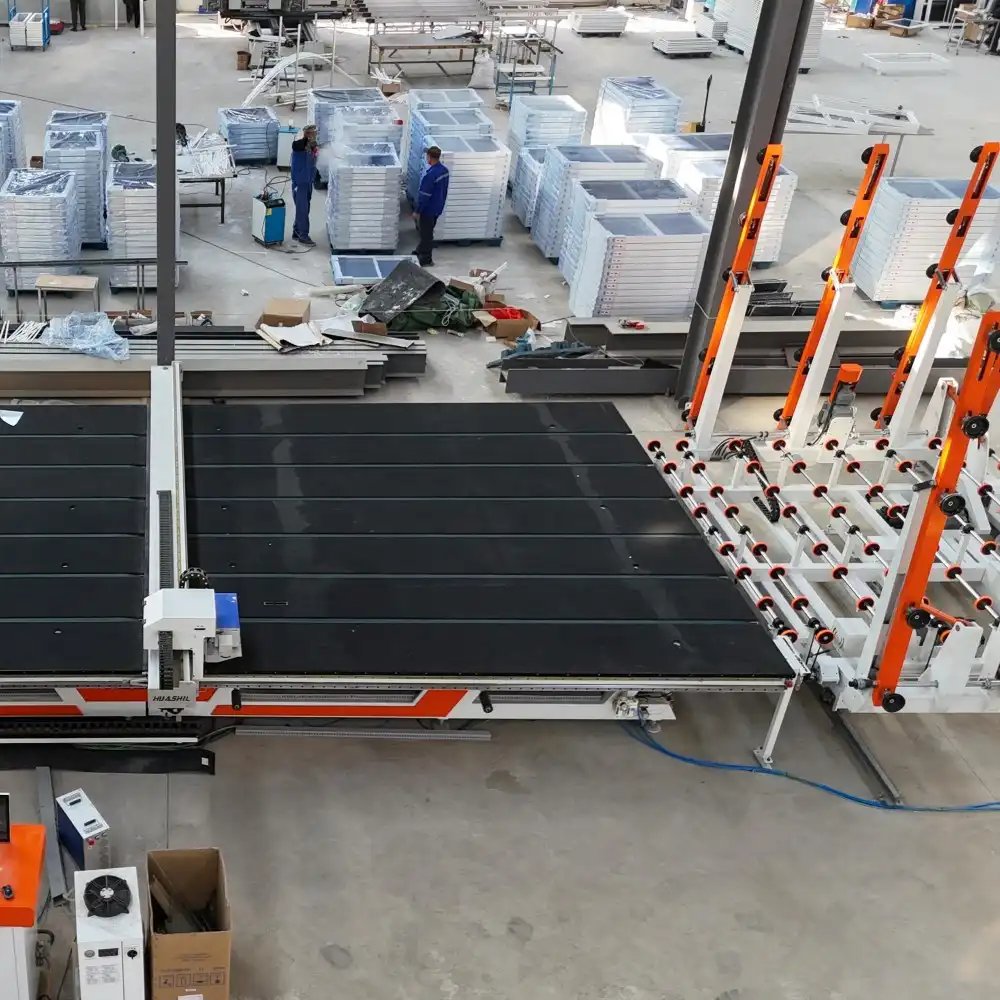
Robotic stone cutting is next-generation. Hands-free manufacturing lines are created by integrating loading, cutting, and unloading. This appeals to engineering managers considering capacity growth because it meets productivity goals and skilled labour shortages.
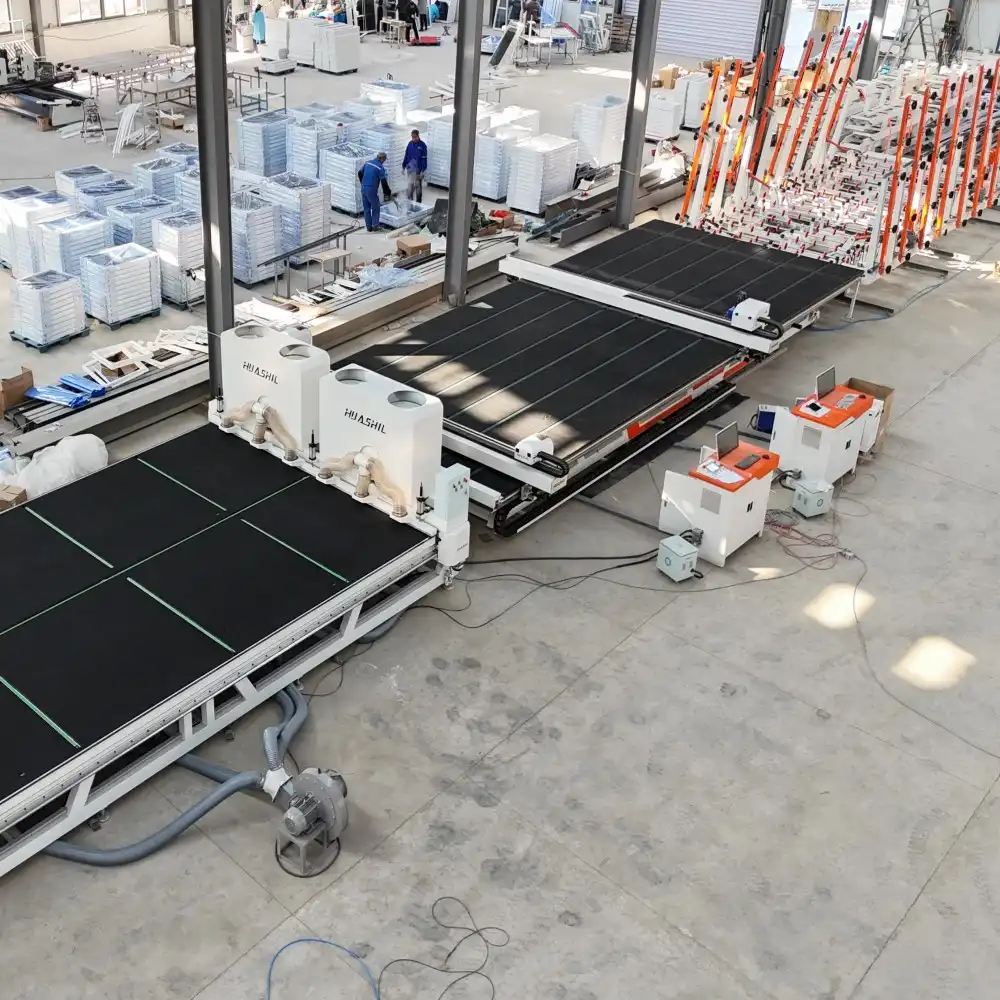
Key Components of Modern Stone Cutting Automation Systems
Technical buyers make better judgments by understanding automated system effectiveness. Several key components ensure dependable functioning.
Control Systems
The control system is the machine's brain. Advanced controllers like Eos-CNC convert design data into accurate cutting instructions. Technical managers should examine control systems for programming simplicity, file format compatibility, and diagnostics. Integration with current CAD software reduces training time and deployment interruption.
Automatic Pressure Control
Various materials demand various cutting pressures. Automated stone cutting with automatic pressure regulation adjusts cutting force for hardness and thickness. This ensures full cuts through denser substrates and reduces blade wear on softer materials. This feature affects consumable prices and maintenance intervals for procurement managers negotiating requirements.
Edge Finding Technology
Traditional cutting procedures waste time on human material positioning, whereas automatic edge detection removes it. The system detects material boundaries and changes the cutting route. Production directors with tight delivery dates need less setup time between assignments.
Air Flotation Systems
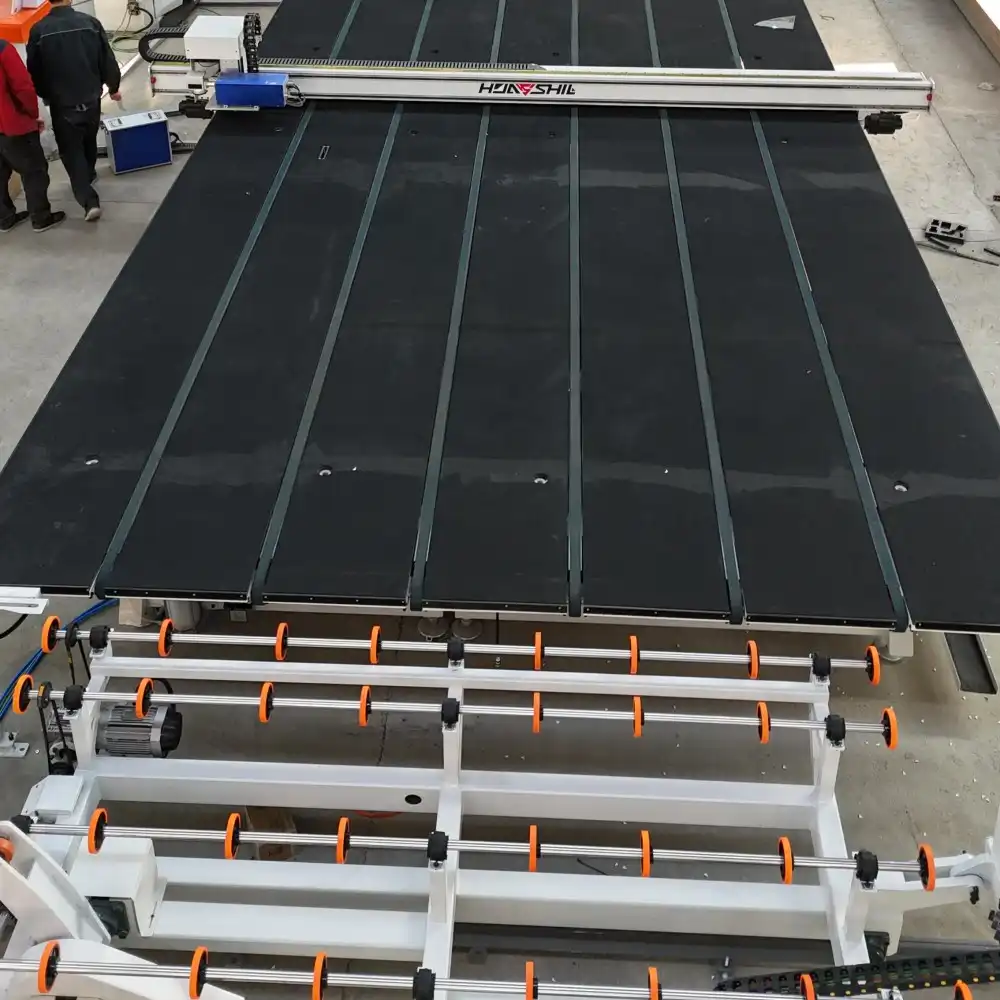
Large stone slabs are heavy and hard to move. Pressurised air creates a tiny cushion on air flotation tables, making material movement easy. This function goes beyond ergonomics to preserve expensive materials from scratches and decrease worker injury risk, which plant managers and finance departments consider when calculating insurance costs.
Evaluating CNC Stone Cutting Equipment for Your Operation
Matching technical specs to production demands is key to choosing the proper stone cutting automation system. Plant managers typically overspecify or choose equipment that inhibits expansion.
Size and Capacity Considerations
Maximum cutting dimensions limit project acceptance. The HSL-CNC2716 system, with a 2700×1600mm cutting surface, can accommodate various architectural panel sizes and fit into standard manufacturing floor layouts. Production directors considering growth should assess if their orders stick to particular proportions or fluctuate greatly. Even while bigger cutting envelopes cost more, variable project sizes justify them.
Equally important: thickness capacity. 3-18mm glass cutting equipment covers most architectural and furniture applications. Technical managers should check if future projects need thicker materials since retrofitting capacity is more expensive than specifying it upfront.
Production Speed and Throughput
Cutting speed parameters are incomplete. Total cycle time includes loading, cutting, and unloading. Engineering managers reviewing offers should obtain comprehensive cycle time statistics for materials similar to their manufacturing mix. A machine with slower cutting but faster material handling may have higher throughput.
Software efficiency affects productivity like mechanical speed. Automated stone cutting software that optimises nesting patterns decreases material waste, a major cost issue for finance managers evaluating TCO. Advanced algorithm systems may justify premium cost with material savings.
Precision and Repeatability
Architectural applications need fractional millimetre precision. Stone cutting equipment must be accurate over thousands of cuts for curtain wall systems to position panels correctly. Technical purchasers should seek positioning precision, cutting tolerance, and long-term repeatability after usage.
Precision is enhanced by vibration control. Good stone cutting CNC router systems include strong frames and active dampening to reduce vibration during high-speed cutting. This takes more than specification sheets—site visits to current installations show equipment performance in production.
Applications Across Stone Fabrication Industries
Stone cutting automation varies by industry to meet operational and quality needs.
Architectural Glass and Curtain Wall Systems
Curtain wall integrators have strict requirements. Assembly mistakes compound on huge building faces; panel proportions must match. PC-cut stone provides uniformity for these tasks. Automation's capacity to handle complicated shapes—curves, angles, and cutouts—without experienced labour impresses curtain wall production directors.
Automation accelerates stone fabrication design-to-production workflow. Engineers use digital models to feed cutting systems, minimising transcribing mistakes and project delays. Integration is especially useful when design modifications occur mid-project, which is typical in commercial construction.
Sintered Stone and Artificial Stone Manufacturing
Cutting sintered stone is difficult. Extreme hardness necessitates sturdy equipment, while brittleness requires care. Sintered stone cutting machines resolve these inconsistencies with accurate pressure control and optimised cutting rates.
In this industry, manufacturers prepare huge slabs for worktops, wall cladding, and flooring. Waste affects profitability; stone slab cutting must maximise material use. Automated stone cutting with advanced nesting software recovers 5-15% more usable material than manual planning methods, a significant margin increase over production quantities, according to plant managers.
Furniture and Interior Decoration Production
Small-scale automation is needed by furniture and decorative glass makers. Their strength is processing complex, customised requests. This application requires stone cutting automation systems to switch cutting patterns quickly.
The capacity to process many materials on one piece of equipment is valuable. A production line may cut glass shelves in the morning, sintered stone tabletops by midday and ornamental ceramic panels by afternoon. When justifying capital purchases, procurement managers monitor equipment adaptability to avoid bottlenecks and maximise asset utilisation.
Implementation: From Selection to Production
Implementing automation needs more than buying equipment. Production directors managing implementation must plan installation, training, and optimisation.
Site Preparation and Installation
Stone-cutting machinery needs certain conditions. Before delivery, the power, vibration-resistant flooring, and material handling area must be assessed. Engineering managers should include equipment vendors in site surveys to spot problems early.
Installation times depend on system complexity. Single machines are commissioned in days, integrated manufacturing lines in weeks. Finance managers creating project budgets should account for lost productivity during installation and operator training.
Operator Training and Skill Development
Innovative stone cutting technology simplifies operation, but proper training is still essential. Maintenance, programming, and troubleshooting are covered in comprehensive packages. Plant managers find that adequate initial training decreases support expenses and production interruptions.
Training should go beyond equipment operation. Understanding the stone cutting process optimisation helps operators choose cutting settings, tools, and schedule maintenance. This expertise turns operators from button-pushers to continual improvement contributors.
Integration with Existing Workflows
Automation is most effective when carefully incorporated into production systems. Stone cutting process automation includes material handling before and after cutting, quality inspection, and packing.
Production directors should map process flows to identify artificial bottlenecks caused by automation. Manual edge finishing stations may be overwhelmed by high-speed cutting systems. Balanced line capacity provides smooth production and keeps expensive equipment from idling waiting for upstream or downstream operations.
Optimising Performance and Ensuring Reliability
Buying equipment is simply the start of ownership. Maximising ROI needs constant maintenance, optimisation, and support.
Preventive Maintenance Strategies
Machine dependability affects production stability, a primary priority for delivery-focused plant managers. Based on manufacturer recommendations, preventive maintenance programs avoid unexpected breakdowns. Blade inspection and replacement, lubrication system inspections, and control system upgrades are crucial.
Technical managers should arrange extensive maintenance around production needs. Maintenance during planned downtime—weekends or between shifts—minimises productivity effect. Documenting maintenance actions predicts component longevity, enabling proactive replacement before breakdowns.
Spare Parts and Support Availability
Quality after-sales assistance distinguishes great vendors. Procurement managers negotiating contracts should check spare parts availability, delivery timeframes, and technical assistance. Beyond missed productivity, equipment downtime expenses include penalty clauses for late deliveries and customer displeasure.
Reputable manufacturers stock important spare parts regionally to ensure fast delivery. Tech support should offer remote diagnostics, so specialists can fix issues without visiting. This is especially useful for overseas clients whose travel difficulties hinder assistance.
Performance Monitoring and Continuous Improvement
Modern automated stone cutting systems create lots of data. Production directors who analyse this data find optimisation potential. Small modifications in cutting speed, tool life, and quality measurements show significant benefits.
New stone cutting AI can detect maintenance needs and optimise cutting settings. While evolving, these technologies suggest future possibilities. Engineering managers developing long-term automation programs should consider upgrading equipment with these capabilities.
Financial Considerations and ROI Analysis
Finance departments considering automation initiatives must assess cost-benefits beyond purchase price.
Total Cost of Ownership
Total cost of ownership includes the initial equipment cost. Installing, training, maintaining, consumables, and disposing contribute. Finance managers should ask vendors for TCO forecasts and compare them to industry norms and equipment experience.
Energy use varies greatly by equipment model. Electrical bills add up over a machine's 10-15 years. Energy-efficient designs cost more but save money; production directors must consider these when choosing systems.
Labor Cost Reduction
Automation's primary financial benefit is labour reduction. A cutting job that required three manual workers may just require one with automated equipment. Plant managers estimating payback periods should include basic salary, benefits, training, and overhead.
Labour savings go beyond direct operators. Consistent automated methods decrease quality inspection and rework. Procurement managers dealing with finance should quantify these secondary savings, which can add up over time.
Productivity Gains and Capacity Expansion
Automation doubles or triples production over manual approaches. This capacity allows larger orders or shorter lead times, competitive advantages that boost income. Production directors arguing for automation should estimate sales prospects from increased capacity.
Capacity gains may allow switching from manual to automated stations, saving facility space. For companies considering pricey lease renewals or expansion, space efficiency provides a strong financial reason beyond productivity indicators.
Conclusion
Stone fabrication continues advancing toward higher automation levels. Modern CNC stone cutting technology delivers the precision, efficiency, and consistency that architectural glass plants, sintered stone manufacturers, and furniture producers require to remain competitive. Production directors and technical managers who understand automation capabilities, implementation requirements, and financial implications position their organisations for sustainable growth. The transition from manual to automated stone cutting represents not merely equipment replacement but an operational transformation that touches design, production, quality control, and customer satisfaction. Companies that embrace this evolution thoughtfully—selecting appropriate technology, training teams effectively, and partnering with reliable suppliers—achieve substantial competitive advantages in an increasingly demanding marketplace.
Partner with HUASHIL for Advanced Automated Stone Cutting Solutions
Shandong Huashil Automation Technology specialises in precision stone cutting automation systems designed for high-volume fabricators. Our HSL-CNC series combines proven reliability with advanced features like automatic pressure control and intelligent edge finding. As a trusted automated stone cutting manufacturer, we support production directors and engineering managers with comprehensive technical documentation, responsive after-sales service, and customisation capabilities for specialised applications. Contact our team at salescathy@sdhuashil.com to discuss your specific requirements and explore how our solutions drive measurable efficiency improvements.
References
1. Stone Industry Education and Research Foundation. (2023). Automation Technologies in Modern Stone Fabrication. Columbus, OH: SIERF Publications.
2. Martinez, R., & Chen, L. (2022). CNC Machining Systems for Hard Materials: Engineering Principles and Industrial Applications. Berlin: Technical Publishing International.
3. Industrial Fabrication Council. (2023). Best Practices for Implementing Automated Cutting Systems in Manufacturing Environments. Detroit, MI: IFC Press.
4. Thompson, J. K. (2021). Architectural Stone Processing: From Quarry to Building Facade. London: Construction Technology Publishers.
5. Wang, H., & Schmidt, M. (2024). Precision Manufacturing Equipment: Selection, Installation, and Optimization Strategies. Singapore: Asian Manufacturing Review.
6. Association for Manufacturing Excellence. (2022). Total Cost of Ownership Analysis for Capital Equipment: A Practical Guide for Production Managers. Rolling Meadows, IL: AME Publishing.
