




Production managers and procurement professionals have to sort through a lot of complicated technical specs and operating needs in order to find the best round glass grinding machine for making lenses. These specialized tools are important investments that have a direct effect on how well products are made, how consistent the quality is, and how profitable the business is. Modern lens making requires precise tools that can keep processes running smoothly and consistently while keeping costs low. It's important to know the differences between machine configurations, levels of automation, and technical abilities to make smart purchasing choices that meet production goals and quality standards.
Understanding Round Glass Grinding Machines: Types, Functions, and Benefits
When it comes to round glass grinding machines, there are many different types of machines that are made to meet different output and accuracy needs. When procurement teams know these differences, they can choose equipment that fits their operational goals and production volumes correctly.
Manual vs. Automatic Machine Configurations
Manual grinding systems are flexible and don't cost as much to buy at first, so they're good for smaller operations or specialized tasks that need to change the setup often. The operator usually moves the grinding wheel and moves the workpiece by hand on these tools, giving them direct control over the grinding process. They need skilled workers, though, and their throughput is usually lower than that of automated options.
Automatic grinding machines have complex control systems that keep the grinding wheel in place, the workpiece in place, and the process settings set without the operator having to constantly step in and change them. The automatic opening and closing mechanisms in these systems are controlled by encoders. The operating ranges are from 0.2 to 1.5 meters so that they can fit lenses of different sizes. Using servo motor controls for moving makes sure that the workpiece stays in the same place during the grinding cycle.
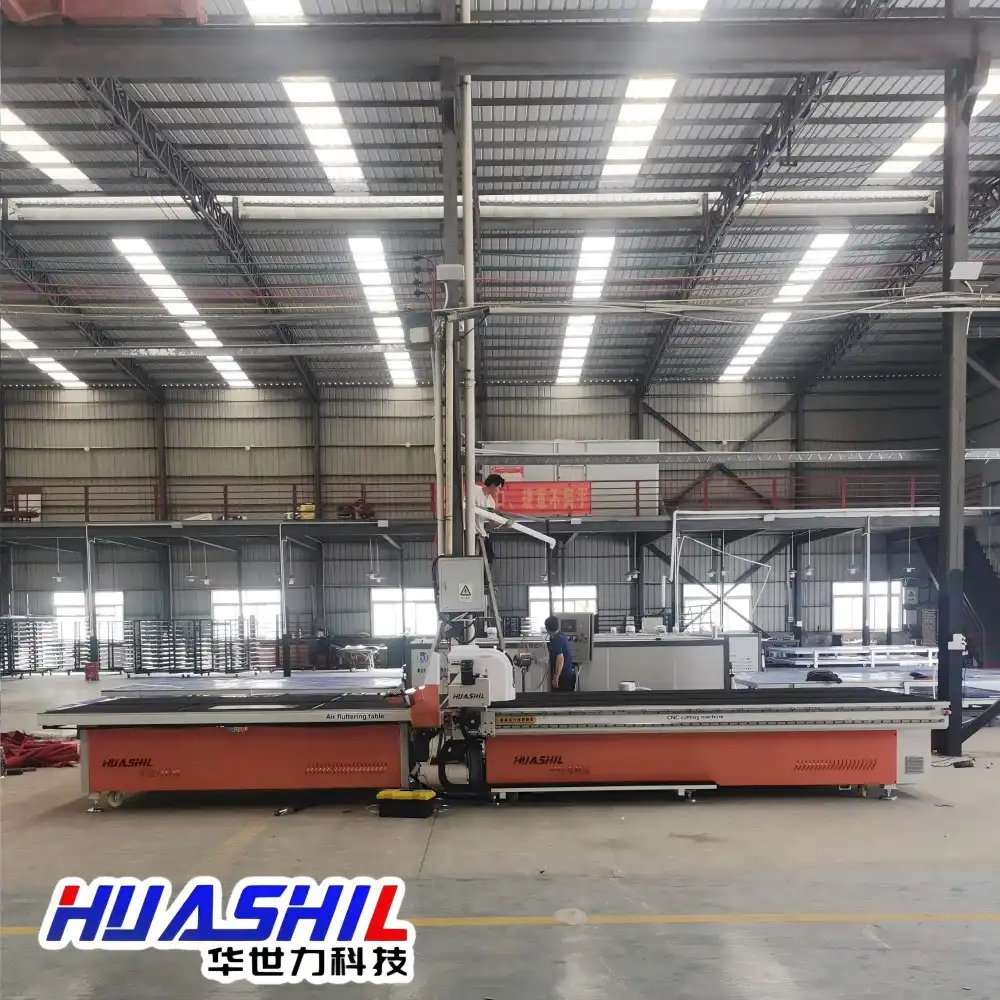
Advanced Multi-Wheel Grinding Systems
Modern lens round glass grinding machines often have three wheels on each side of the work area, which lets them finish the edges in one step. Usually, there is one rough grinding wheel for forming the part at first, then fine grinding for accurate measurements, and finally polishing wheels to make the surface finish look its best. Two fine grinding stages may be used in different combinations for tasks that need very precise measurements.
These multi-wheel systems cut handling time by a large amount while keeping quality standards the same from one production run to the next. The sequential grinding method makes sure that the right amount of material is removed during rough grinding while the surface is kept intact during final finishing.
Motor and Drive System Technologies
Modern round glass grinding machines have more than one type of motor to make them work better and last longer. Systems with 1.6-inch grinding wheels have enough power for most lens grinding tasks while still being energy-efficient. The configuration of the motor has a direct effect on the grinding force, the rate at which material is removed, and the total life of the machine.
Integrating the drive system makes sure that the machine runs smoothly even when the load changes, and it also gives you precise control over the grinding settings. These systems instantly adjust to different types and thicknesses of glass, so the results are always the same, even if the materials are different.
How to Choose the Best Round Glass Grinding Machine for Your Business
To choose the right round glass grinding machines, you need to carefully think about your production needs, quality standards, and the limits of your operations. In this decision-making process, many things are looked at together to see which machines will work best in certain factory settings.
Production Volume Assessment
The amount of production directly affects the selection of machines, since different types of tools work best for different amounts of production. Fully automated systems with built-in handling methods are better for high-volume operations. On the other hand, manual or semi-automatic machines may be cheaper for low-volume operations.
Figuring out the best machine capacity needs is easier when you know when production is at its highest and when it changes with the seasons. When equipment is too big, it costs more money to buy more of it, and when it's too small, it slows down production and limits growth.
Precision Requirements and Quality Standards
Different end-uses call for different edge quality traits for lens applications. In architectural glass applications, tolerance ranges may be less strict than in optical glass applications that need to be very precise. The choice of machine must be in line with these quality standards while keeping the output running smoothly.
The design of the grinding wheel has a big effect on the level of accuracy that can be reached and the quality of the surface finish. Three-wheel systems are better at finishing than single-wheel systems, which makes the higher initial investment worth it because they lower the need for rework and improve the quality of the product.
Customization Capabilities
To be flexible in manufacturing, you often need tools such as a round glass grinding machine that can handle a wide range of product specifications and custom needs. Machines with a lot of customization choices let manufacturers respond quickly to changing market needs without having to spend a lot of extra money.
Customizable opening and closing ranges let different lens sizes work with the same machine setup, which cuts down on changeover time and boosts working efficiency. This freedom is especially helpful for companies that make products for a wide range of customers with different needs.
Operation and Maintenance Guide for Round Glass Grinding Machines
Proper machine operation and upkeep have a direct effect on how long equipment lasts, how well it produces goods, and how much it costs to run. Setting up thorough processes ensures consistent performance and cuts down on unplanned downtime as much as possible.
Setup and Calibration Procedures
When you first set up the machine, you need to pay close attention to aligning the grinding wheels, placing the workpiece, and calibrating the control system. Automatic opening and shutting mechanisms have encoder systems that need to be calibrated to make sure that the workpiece is handled accurately across the entire operational range.
For accurate settings during long production runs, servo motor controls for conveying systems need to be calibrated regularly. Regular calibration stops slow drift that could hurt the quality of the product or make the machine not work properly.
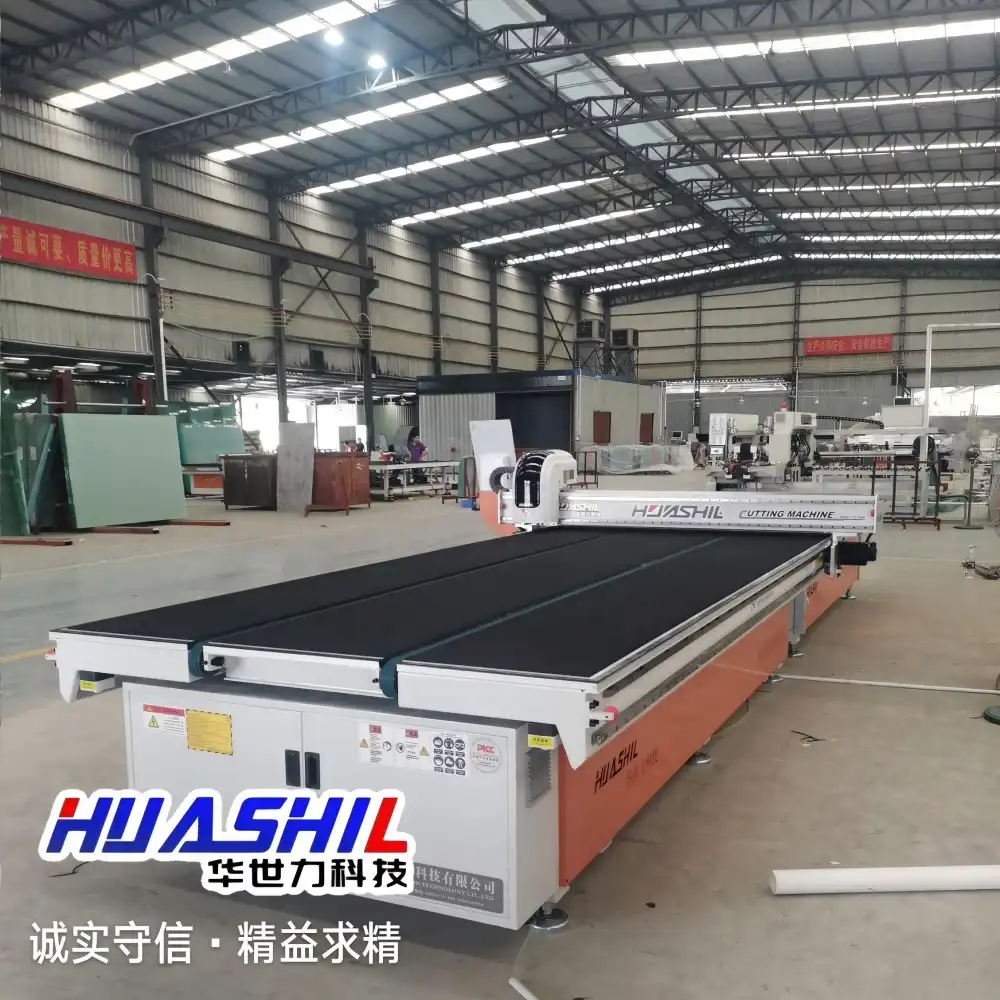
Routine Maintenance Protocols
Maintaining the grinding wheels is an important part of keeping the round glass grinding machine in good shape because the state of the wheels has a direct effect on the quality of the grinding and how well the machine works. Wear patterns that might show that something isn't aligned right or that the working parameters are wrong are found through regular inspection.
Scheduled lubrication of motor bearings, guide systems, and automated mechanisms stops wear before it's due and keeps everything running smoothly. Following the manufacturer's repair schedule will make sure that your equipment lasts as long as possible and doesn't break down unexpectedly.
Safety Considerations and Best Practices
Strict safety rules must be followed when using glass grinding tools to protect both the operator and the equipment. With the right training, operators will know what to do in an emergency and be able to spot possible dangers before they become real.
Safety systems need to be checked regularly to make sure that locking systems, protective guards, and emergency stops work properly. These systems keep accidents from happening and keep expensive equipment from getting damaged by mistakes made by operators or people moving the equipment.
Procurement Insights: How and Where to Buy Round Glass Grinding Machines?
Strategic methods to procurement help businesses get the right equipment while lowering risks and raising the total cost of ownership. Getting the right tools is easier when you know how to negotiate with suppliers and how their markets work.
Supplier Evaluation Criteria
Reputable makers show consistent quality through long-term records and customer testimonials. When evaluating possible suppliers, you need to look at their technical skills, production capacity, and infrastructure for providing help after the sale.
Chinese companies have made a big name for themselves in the market for glass processing equipment by offering low prices and higher quality standards. But procurement teams shouldn't just assume about suppliers based on where they are located; they should carefully analyze each one.
International Sourcing Considerations
When buying tools internationally, you need to think about things like shipping logistics, customs procedures, and the availability of local service support. All of these things affect how long a job takes and how much it costs to run on a regular basis.
Letters of credit and other similar instruments are often used as payment terms in foreign transactions for a round glass grinding machine. These protect both buyers and sellers. Understanding these financial processes can help you save time and money while reducing your risk.
After-Sales Support and Service Networks
Complete help after the sale is important for keeping equipment working well for as long as it is used. When compared to suppliers who need international help, those with local service networks offer faster response times and lower service costs.
Machine uptime and operational costs are directly affected by the supply of spare parts. Maintaining suitable inventory levels and effective distribution networks by suppliers helps keep maintenance costs low and production interruptions to a minimum.
Conclusion
To choose the best round glass grinding machine, you need to carefully think about your production needs, quality standards, and the limits of your business. Modern machinery with advanced automation technologies, multi-wheel grinding configurations, and precise control systems provides excellent performance while keeping activities cost-effective. To be successful at making lenses, you need to work with suppliers who have a lot of knowledge, know how to work with precision glass, and offer full support throughout the lifecycle of the equipment. Because HUASHIL is dedicated to new ideas, quality, and great customer service, we are the perfect partner for companies that want to improve their lens-making skills by investing in advanced grinding technology.
FAQ
Q1: What distinguishes automatic from manual round glass grinding machines?
Automatic systems incorporate sophisticated control mechanisms that manage grinding wheel positioning, workpiece handling, and process parameters without constant operator intervention. Manual machines require direct operator control over these functions, offering greater flexibility but requiring skilled personnel and generally producing lower throughput rates.
Q2: How often should grinding wheels be replaced on lens grinding equipment?
Grinding wheel replacement frequency depends on usage patterns, glass types being processed, and desired surface finish quality. Regular inspection reveals wear indicators that signal when replacement becomes necessary, typically ranging from weekly to monthly intervals under normal production conditions.
Q3: Are volume discounts available for bulk equipment purchases?
Manufacturing operations requiring multiple machines or complete production lines often qualify for volume pricing arrangements. These agreements may include enhanced warranty terms, expedited delivery schedules, and comprehensive training packages tailored to specific operational requirements.
Q4: What customization options are available for specialized lens applications?
Customization capabilities encompass grinding wheel configurations, automation levels, workpiece handling systems, and control interface modifications. These adaptations enable machines to accommodate specific lens geometries, production volumes, and integration requirements within existing manufacturing environments.
Ready to Transform Your Lens Manufacturing Process with HUASHIL?
HUASHIL stands ready to revolutionize your lens production capabilities through our advanced round glass grinding machine solutions. Our engineering team collaborates closely with clients to develop customized configurations that address specific operational challenges while optimizing production efficiency and quality outcomes. Whether you require single machines for specialized applications or complete automated production lines, our comprehensive approach ensures seamless integration with existing manufacturing processes. Contact our sales team at salescathy@sdhuashil.com to discuss your requirements and schedule a detailed consultation. As a trusted round glass grinding machine manufacturer, we provide complete technical documentation, competitive pricing, and comprehensive support throughout your procurement journey.
References
1. Glass Manufacturing Industry Council. "Precision Glass Processing Equipment Standards and Best Practices Manual." Industrial Equipment Publishing, 2023.
2. International Association of Glass Processors. "Automation Technologies in Modern Glass Manufacturing: A Comprehensive Analysis." Glass Industry Technical Review, Vol. 45, 2024.
3. Chen, Li Wei. "Advanced Grinding Techniques for Optical Glass Components." Journal of Manufacturing Technology and Engineering, Issue 8, 2023.
4. European Glass Processing Equipment Association. "Quality Standards and Performance Metrics for Automated Glass Grinding Systems." Technical Bulletin Series, 2024.
5. Manufacturing Engineering Institute. "Total Cost of Ownership Analysis for Industrial Glass Processing Equipment." Equipment Procurement Quarterly, Spring 2024.
6. Zhang, Ming and Roberts, James. "Servo Motor Control Systems in Precision Glass Manufacturing Applications." Automation Technology Review, Vol. 31, No. 4, 2023.
